
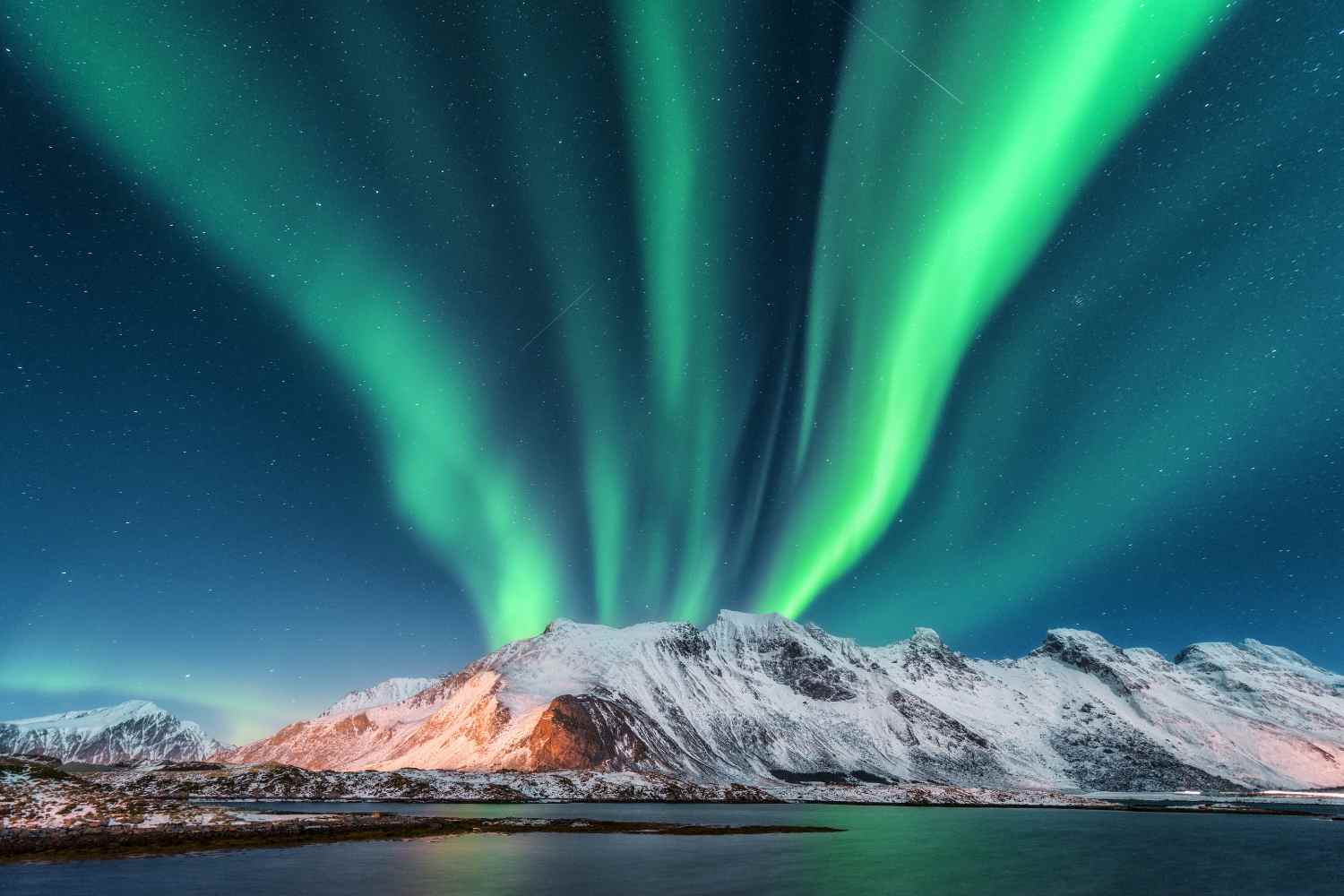
The Lofoten Islands are an unmissable stop if you visit Norway. This archipelago, located above the Arctic Circle, offers wonderful and incredibly varied panoramas: majestic mountains, deep fjords and long beaches much appreciated by surfers.
The four main islands – Austvågøy, Vestvågøy, Flakstadøy, Moskenesøy – are connected to each other by a network of tunnels and road bridges. If you prefer a more adventurous experience in contact with nature, you can also travel by kayak or canoe. Despite being very close to the Arctic Circle, their climate is rather mild, thanks to the influence of the Gulf Stream.
These islands are a true natural paradise waiting to be discovered. There are so many activities to do: from trekking and skiing on the mountains that end up overlooking the sea, rafting in the ocean, whale watching, surfing and scuba diving.
A dive into the Viking era
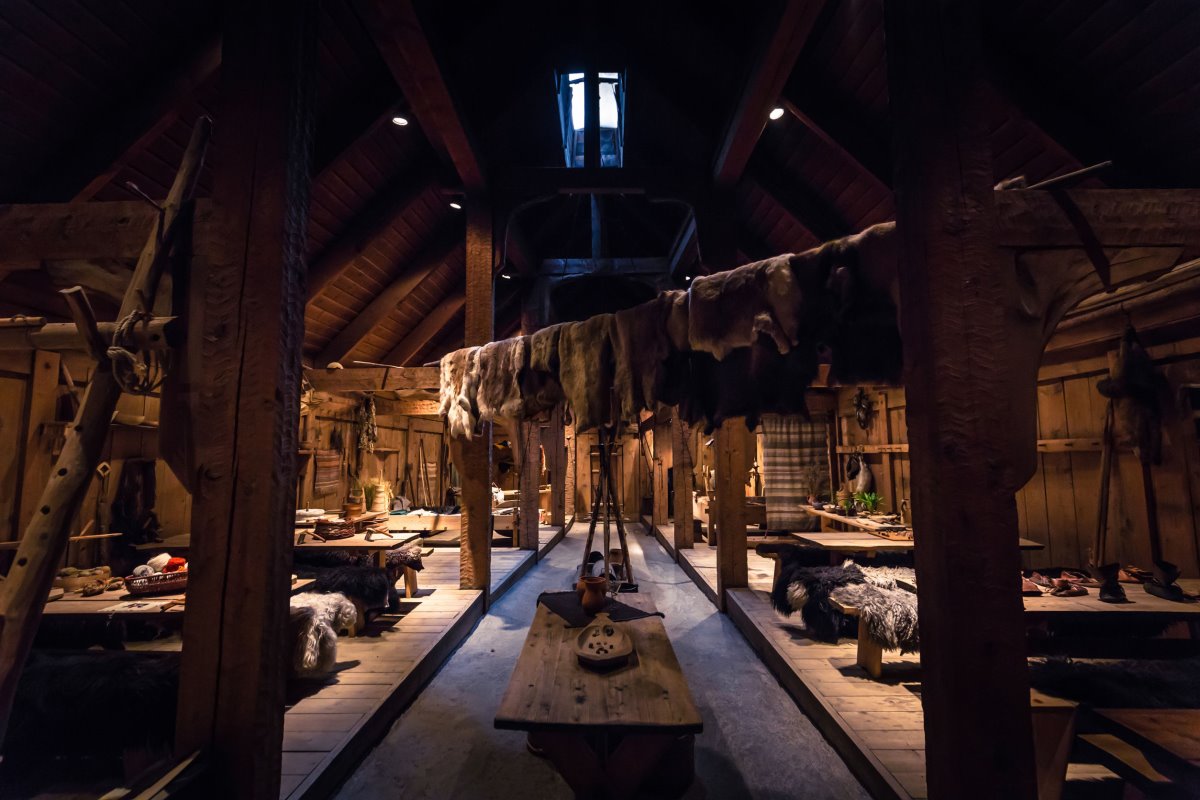
Visiting the Lofoten Islands also means immersing yourself in Viking culture, still valued and preserved in these lands. Absolutely not to be missed is the Lofotr Viking Museum, located in Borg (on Vestvågøy island). It is an interactive museum created around the excavations that brought to light the largest Viking house ever found. Furthermore, you can admire a life-size reproduction of the Gokstad Ship, dating back to the 9th century.
Northern Lights and Midnight Sun
The Lofoten Islands offer unique emotions in the world. Here, in fact, you can witness the natural spectacle of the midnight sun, in the period between the end of May and mid-June. This occurs due to the position of the Lofoten Islands relative to the sun during the summer Earth orbit. Thus, in the summer period, the sun never sets and remains in a constant state of sunset and sunrise, until the next day.
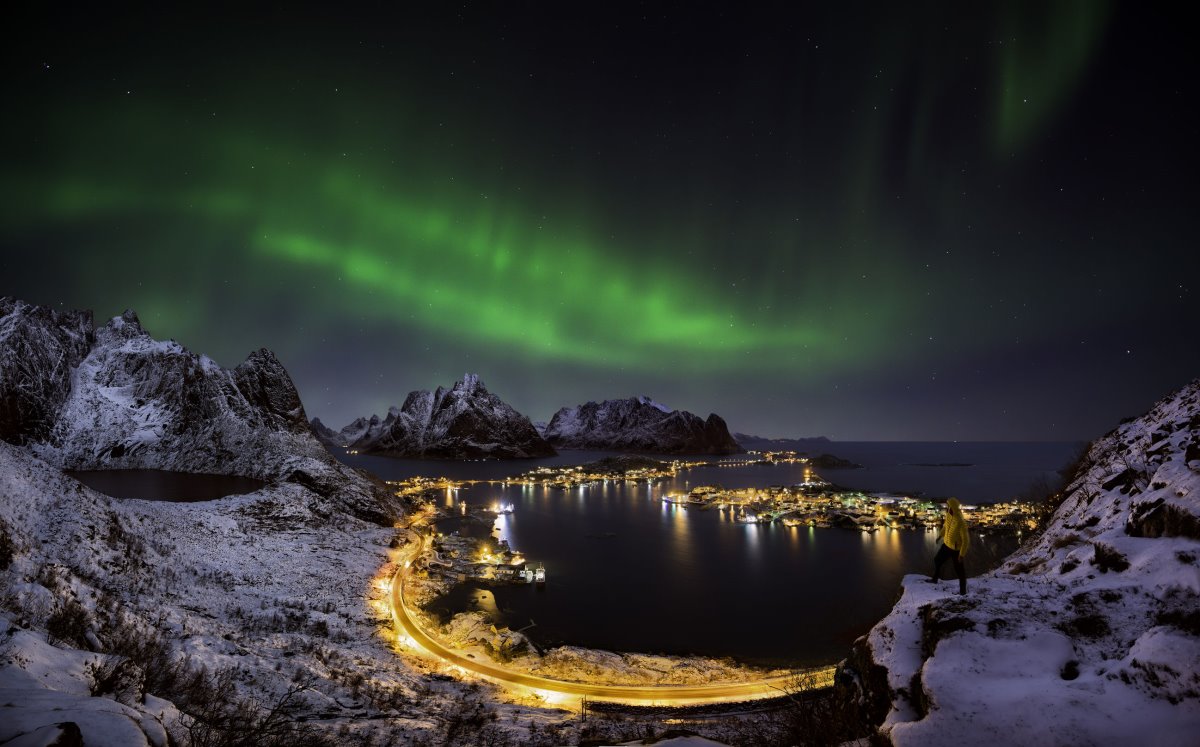
Instead, from September to mid-April the sky is tinged with a thousand shades thanks to the phenomenon of the Northern Lights. The fascinating arctic light inspires many artists, who every year exhibit their works in various galleries scattered across the various islands.
Here are some paragraphs updated with recent and contextualized data to give journalistic and sustainable depth to your piece on the Lofoten islands:
Tourist boom and overtourism
In recent years, Lofoten have consolidated their role among the most popular destinations in Northern Europe, with an incredible influx of visitors compared to the local population. According to estimates based on official data and projections from Destination Lofoten, the archipelago welcomes around 1 million tourists a year, including those who arrive by campsite, car, bus, plane or cruise — equal to around 40 times the resident population of around 25,000 people distributed across the islands.
This intense flow creates peaks of pressure on roads, paths and services, especially in July and August, with viewpoints and campsites often congested and infrastructure at capacity.
Sustainable tourism and flow management
Norway is tackling the growth of tourism with new tools to mitigate the impact: in 2025 a law was approved that allows municipalities to introduce a tourist tax of up to 3% for visitors, with the proceeds going to improve essential services — from public toilets to internal mobility — in areas where tourism exerts the most pressure.
This measure is designed to help vulnerable locations, such as Lofoten, to support growing demand without placing the burden solely on local communities.
Impact on population and nature
The effect of these flows is also felt by residents: in some areas the local population can find itself overwhelmed by the number of visitors, especially on cruise disembarkation days, when thousands of people flock simultaneously to the best-known villages.
In addition to the pressure on infrastructure, this trend raises real environmental issues, such as trail erosion, beach congestion and the risk of deterioration of sensitive natural areas, particularly vulnerable in an Arctic area already subjected to the effects of climate change.
Towards more responsible tourism
In recent years the debate on sustainability in the fjords and Arctic regions is no longer theoretical: the objective shared by local operators, authorities and many sector associations is to transform popularity into quality tourism, which enhances the environment rather than consumes it. From more efficient public transport projects to the promotion of low season periods and less impactful activities, Lofoten is slowly moving towards a travel model that can last over time without distorting the essence of the archipelago.
