
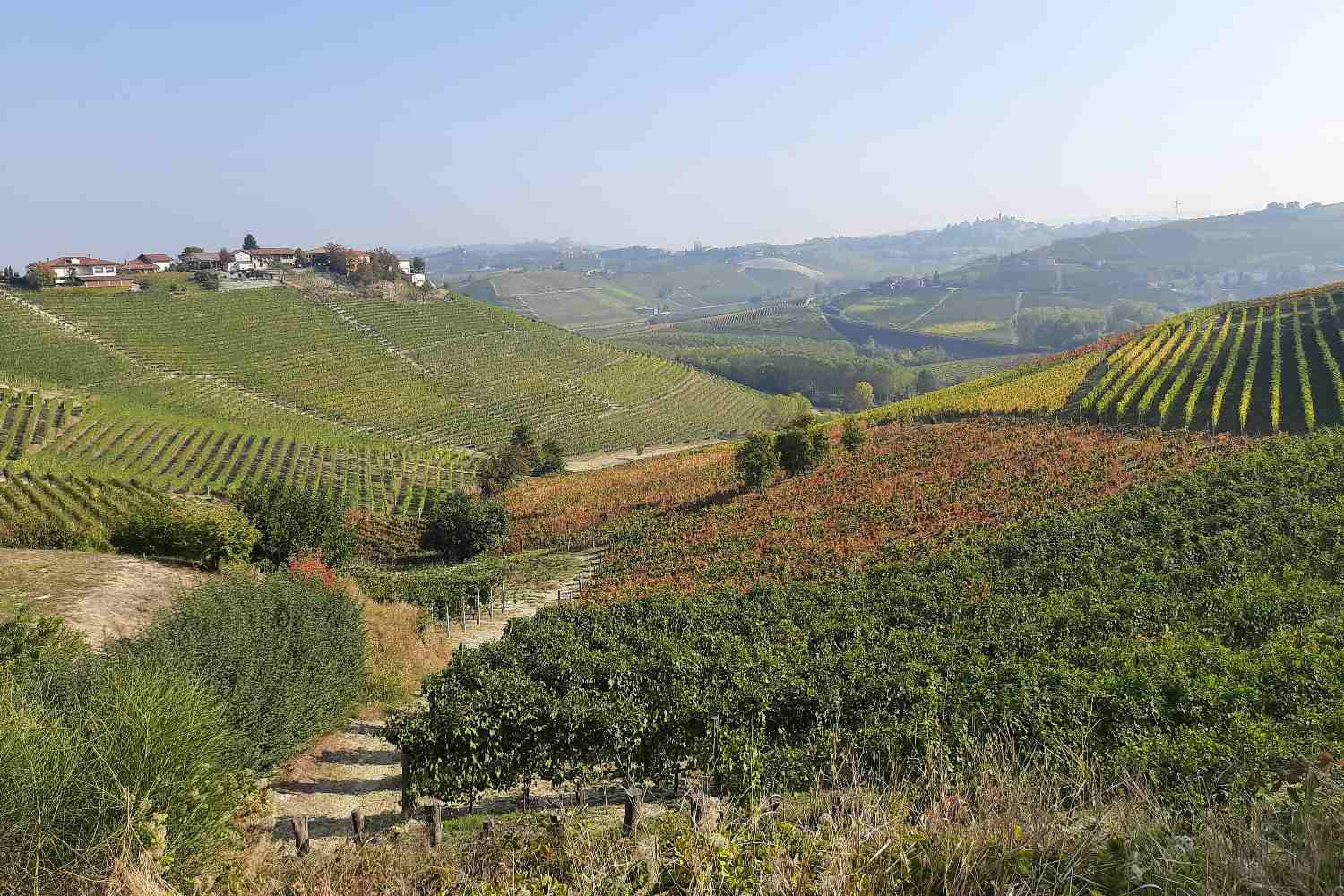
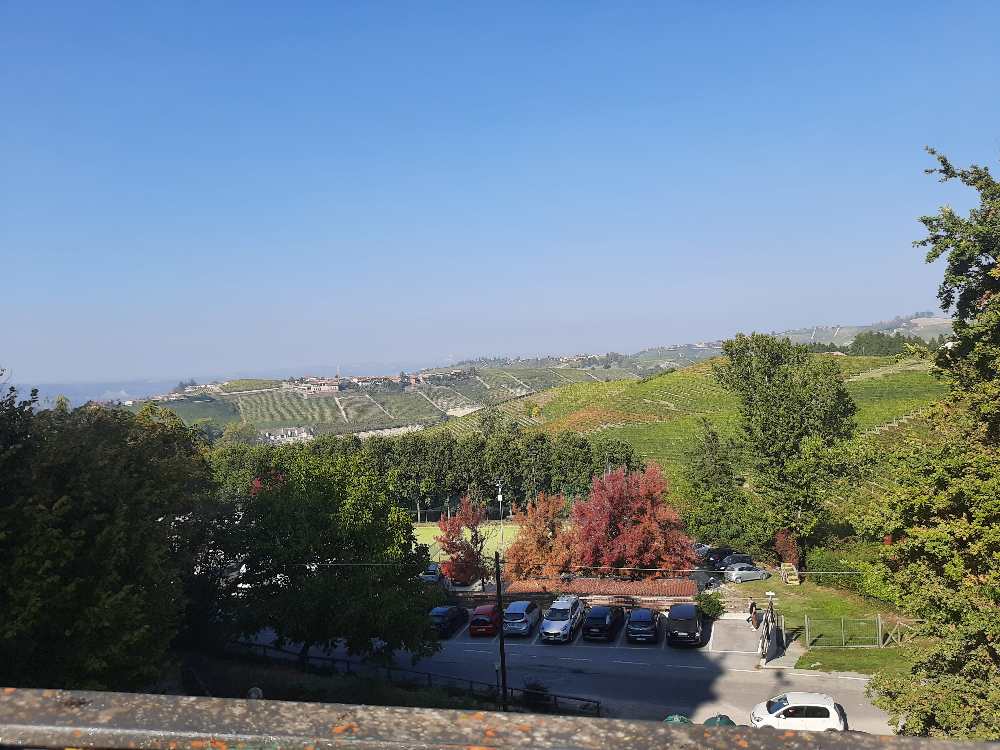
One of my favorite places is the Langhe, in Piedmont. Visiting these territories means crossing a slowly changing landscape, made up of hills full of vineyards, small villages and panoramic roads that invite you to stop often to take photos and enjoy the landscape without any rush.
After going several times, I mapped out a three-day itinerary, enough time to grasp its essence, alternating walks, tastings and cultural stops without rushing. Despite this, I invite you to return several times, in every season because the Langhe always knows how to excite, with changing colors and ever new experiences to live.
And for those who love traveling by camper, you are in the right place: equipped green areas without a fee, places with sublime views even just to stop for a quick lunch. A real paradise for us campers, especially for those who love being surrounded by nature.
Grinzane Cavour, the first look at the Langhe
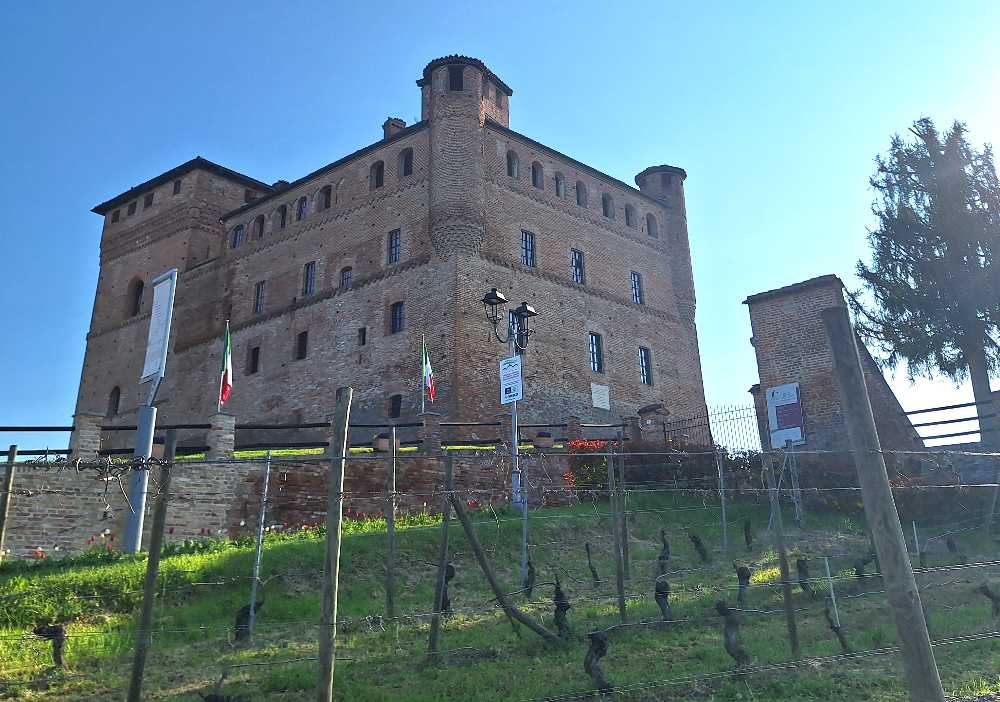
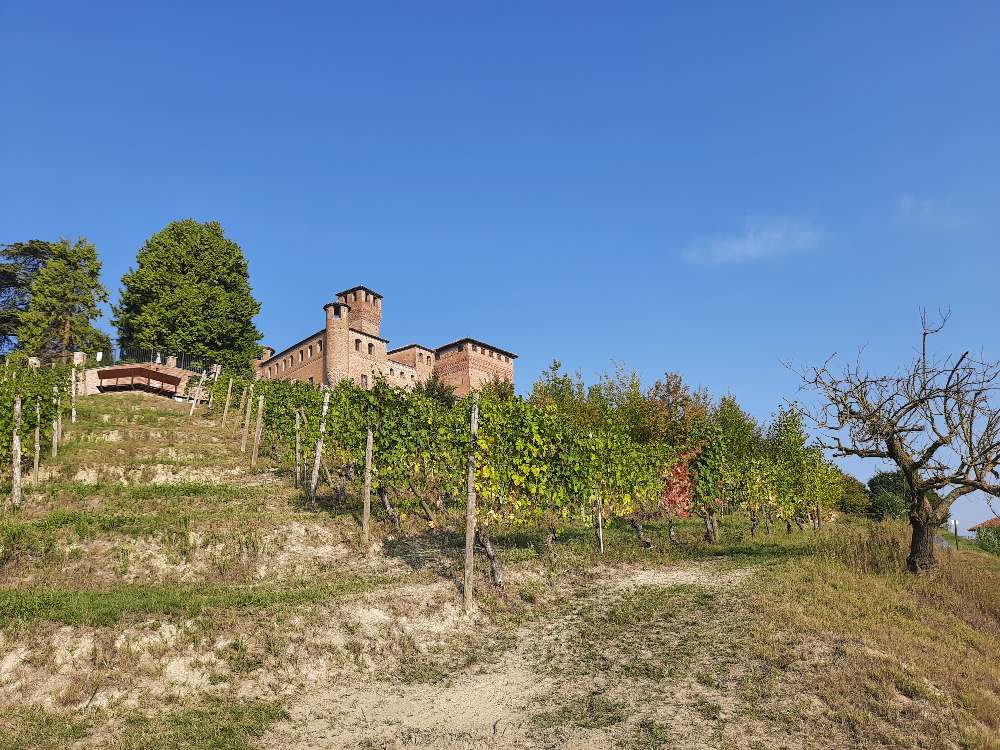
Our journey in the Langhe, for geographical convenience of those arriving from Lake Maggiore, starts from Grinzane Cavour, an ideal point for taking measurements of the area. The castle, which dominates the village from above, allows you to immediately read the landscape: orderly hills, continuous vineyards, roads that follow each other gently. Here the link between history, wine and agricultural policy is evident, also thanks to the presence of the Piedmont Regional Enoteca, useful for orienting yourself between denominations and production areas. The visit is quick but significant, perfect as a first stop before entering the heart of the Langhe.
Monforte d’Alba, a village that climbs slowly
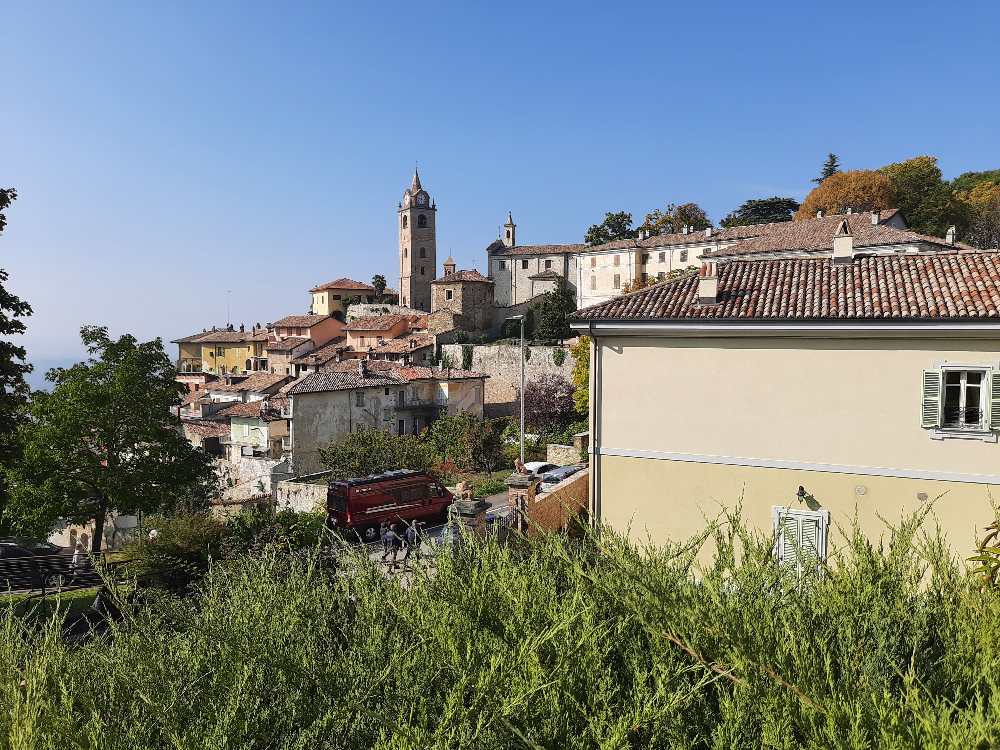
From Grinzane Cavour we move towards Monforte d’Alba, about twenty minutes away but already different in character. The town has a vertical development and must be approached calmly, climbing through narrow alleys, stairways and sudden views. The historic center retains a cozy and less crowded atmosphere compared to other more well-known locations. The square of the Horszowski Auditorium, overlooking the hills, is one of the most evocative points: an open space that interacts directly with the landscape, ideal for a silent stop before leaving again.
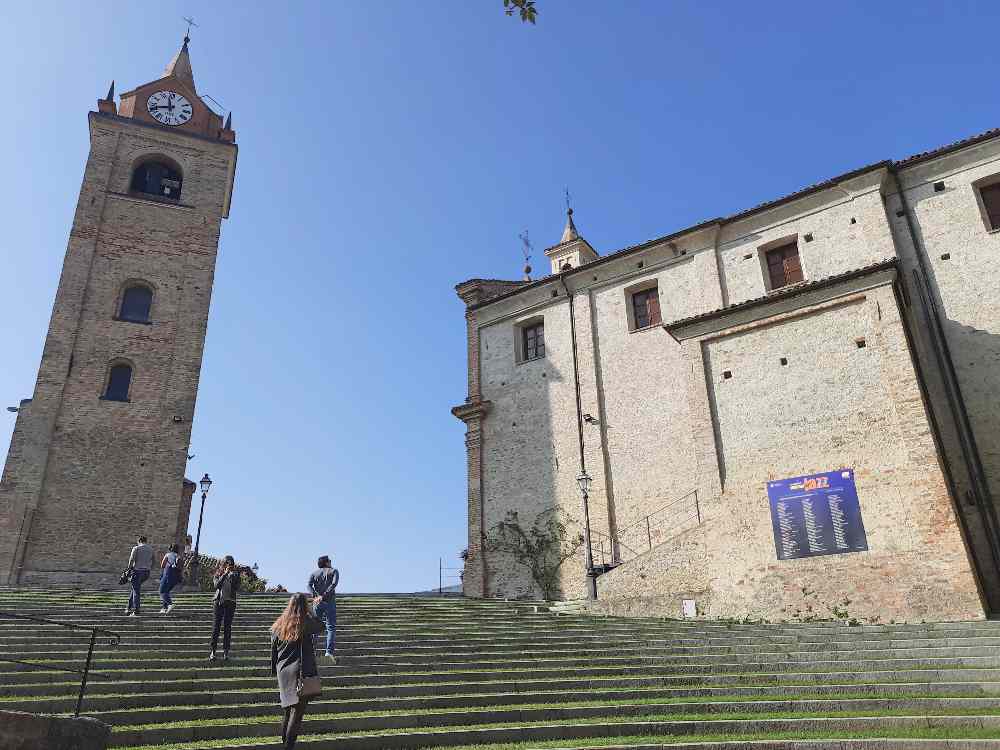
Barolo, the symbolic center of the territory
The next stop to start the second day is Barolo, easily reachable by car in less than 10 minutes. The village is compact and can be visited on foot. The Falletti Castle, now home to the Wine Museum, tells well how Barolo has become over time not just a product, but an element of identity of the territory. Walking through the streets of the centre, you perceive a greater tourist presence, but without losing the sense of proportion: Barolo remains a town, not a showcase.
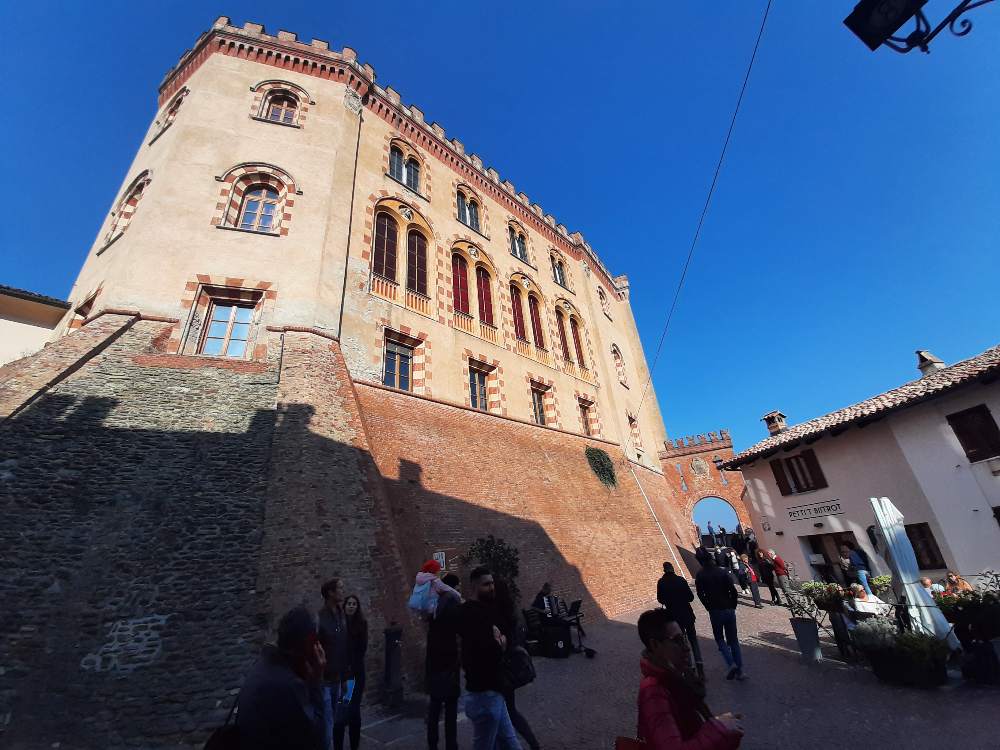
La Morra and the path to the Cappella delle Brunate
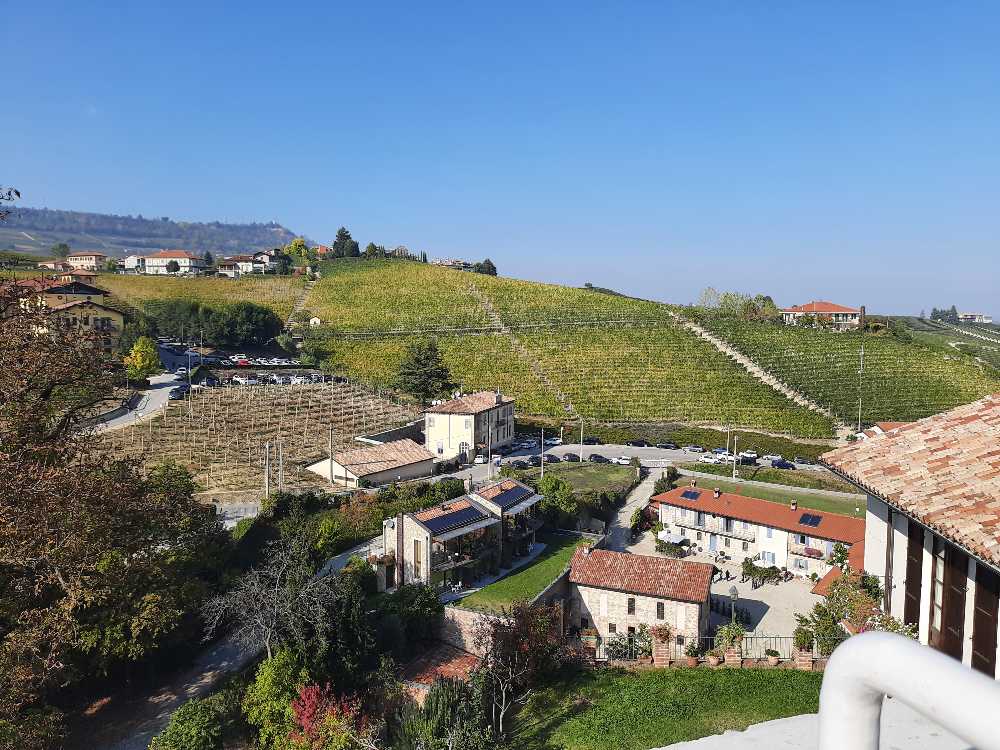
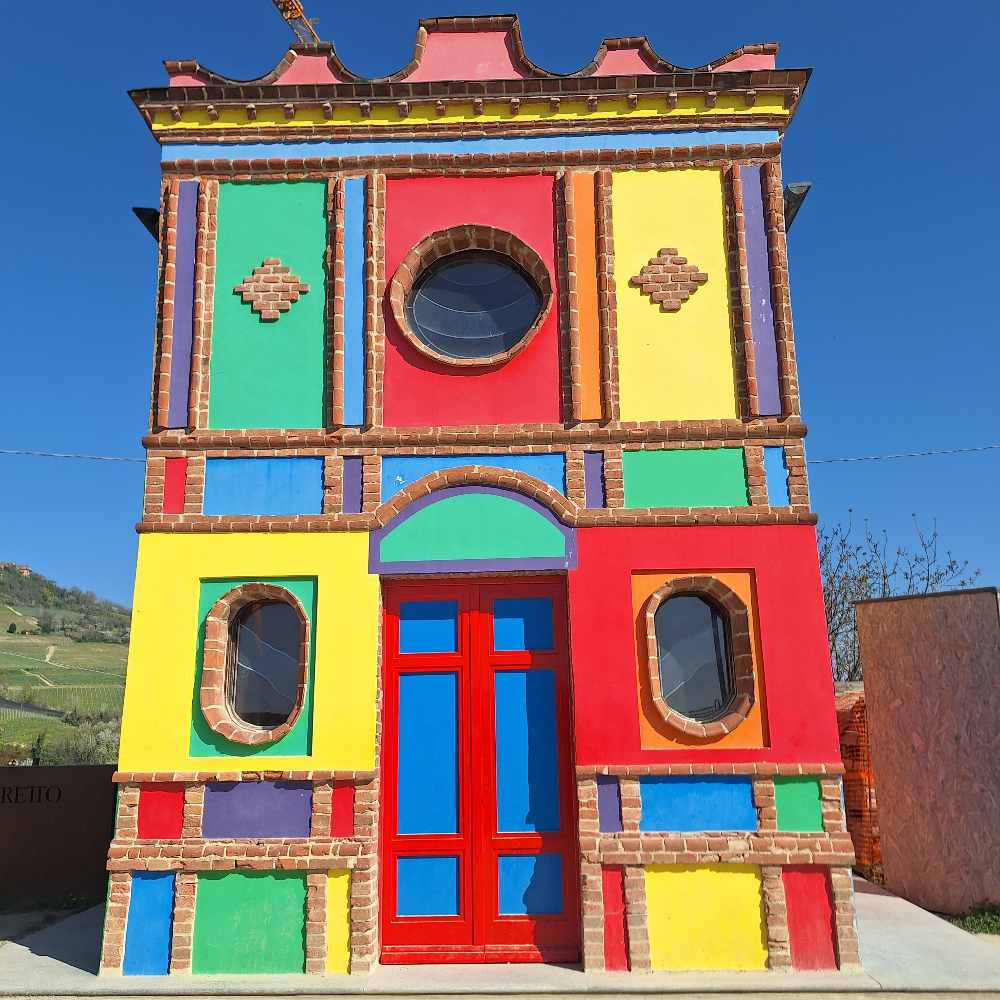
From Barolo we move towards La Morra, about 6 kilometers away. The town is known for its belvedere, one of the widest panoramic points of the Langhe, from which the view takes in rows, ridges and isolated farmhouses. One of the most exciting moments of the trip starts from here: the walk to the Cappella delle Brunate which I recommend taking an entire afternoon (and arming yourself with water and good legs).
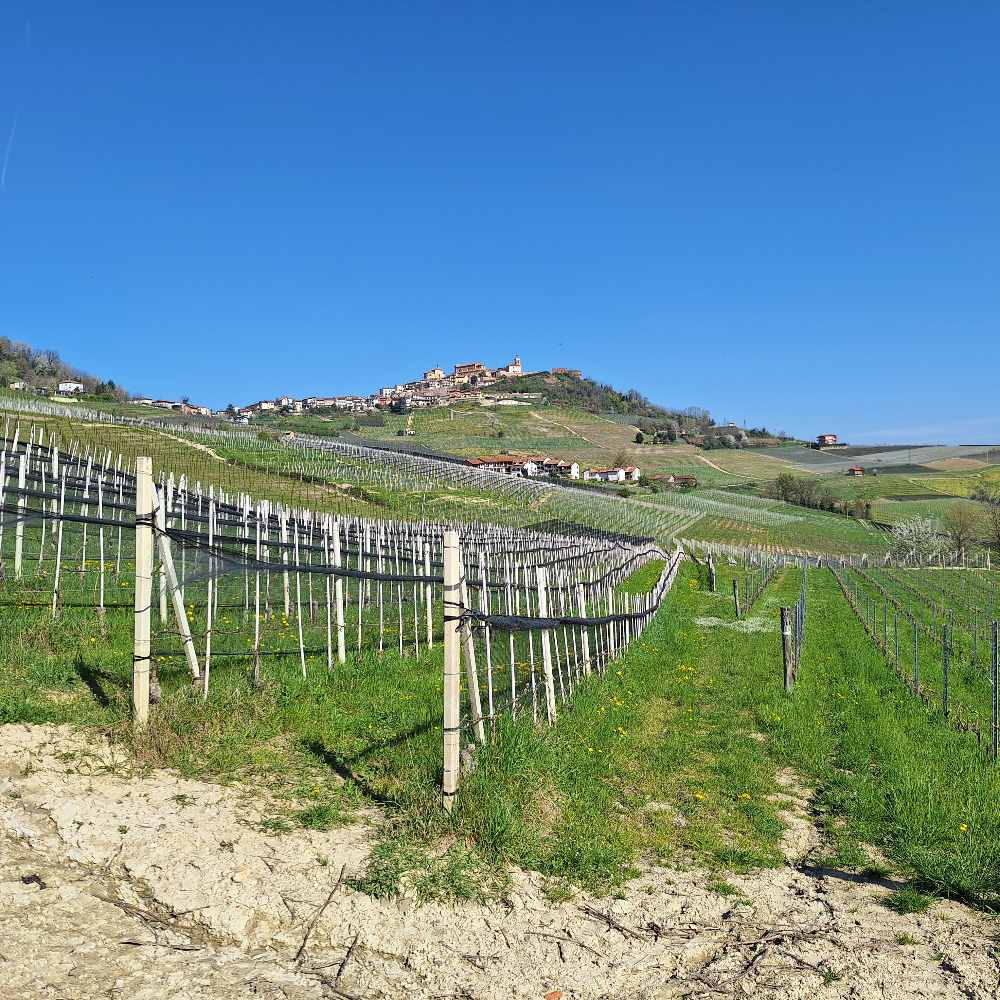
The path is downhill – quite vertical, you will notice on the way back – among the vineyards and every pause to take a photo also becomes an opportunity to rest a bit, letting the landscape dictate the pace. The chapel suddenly appears, isolated among the rows: the bright colors of the artistic intervention by Sol LeWitt and David Tremlett contrast with the agricultural order of the vineyards, without appearing out of place but providing great emotions. It is a stage that works precisely because it is reached on foot, not as a simple photographic point. And now the climb awaits you: good luck!
Barbaresco, between vineyards and verticality
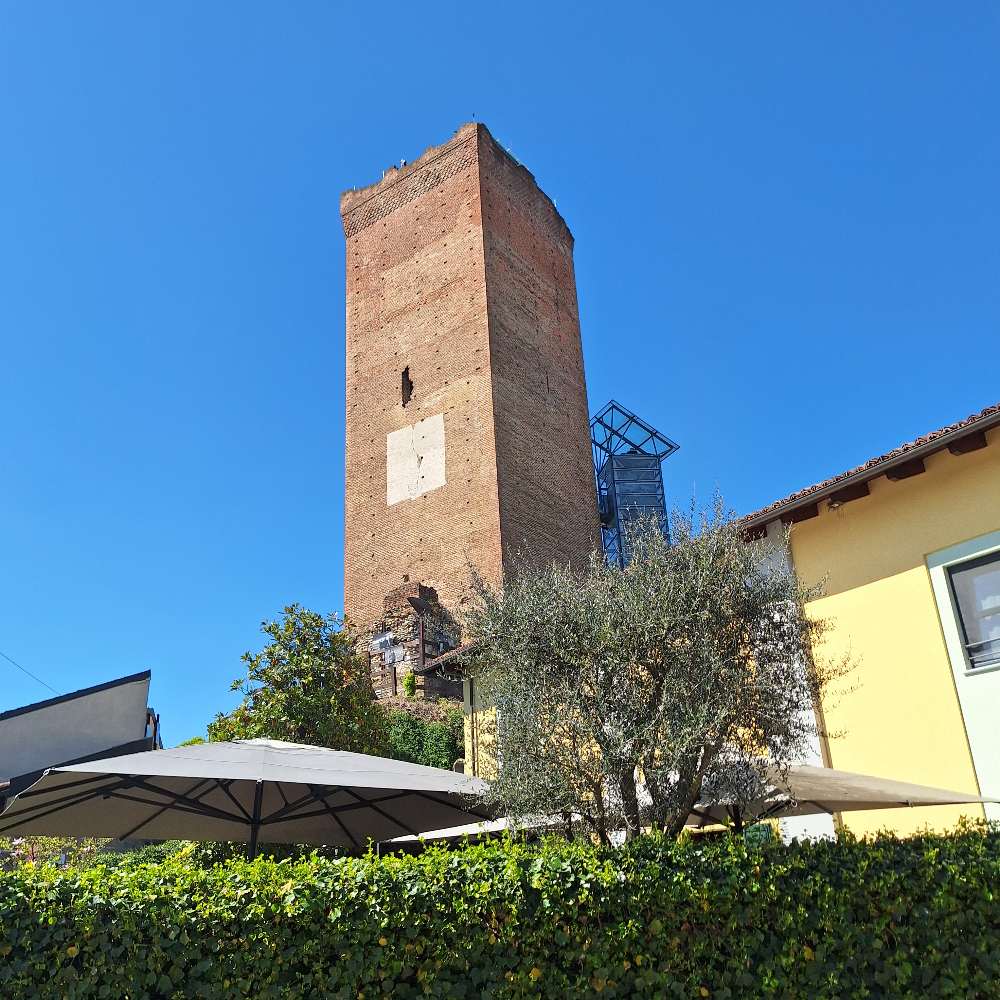
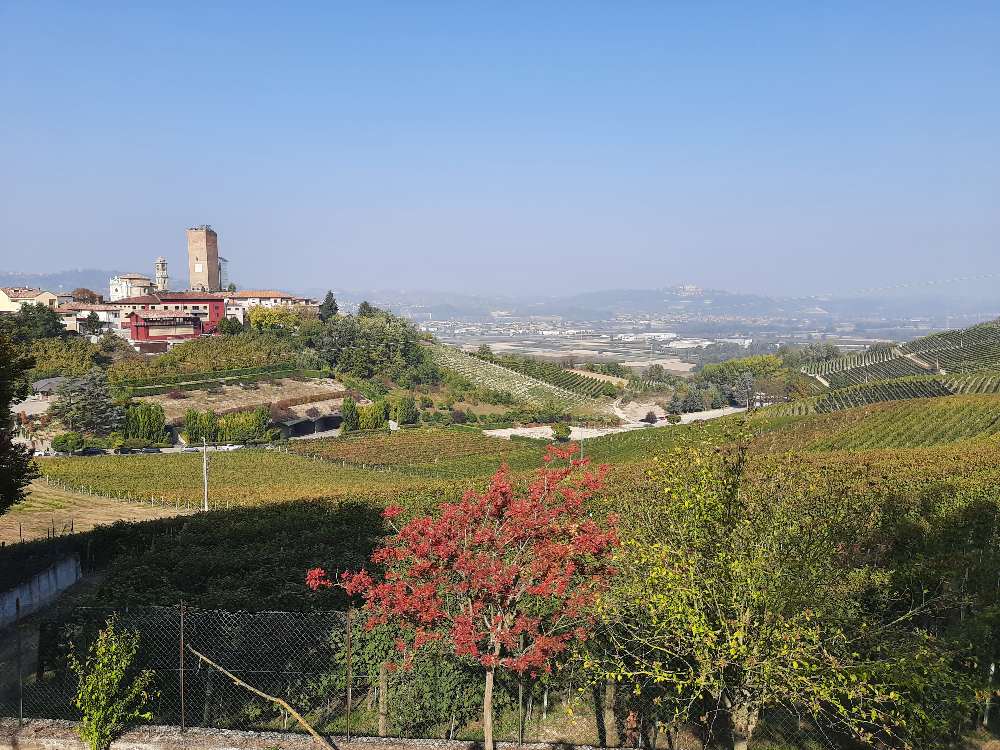
On the third and last day we move towards Barbaresco, crossing a different part of the Langhe. The village is small and can be visited quickly, but it has a dominant element: the medieval tower, which stands out among the Nebbiolo vineyards. Climbing to the top allows you to grasp the difference between Langhe and Roero, with softer hills and a less compact layout of the territory compared to the Barolo area.
Neive, end the journey by walking
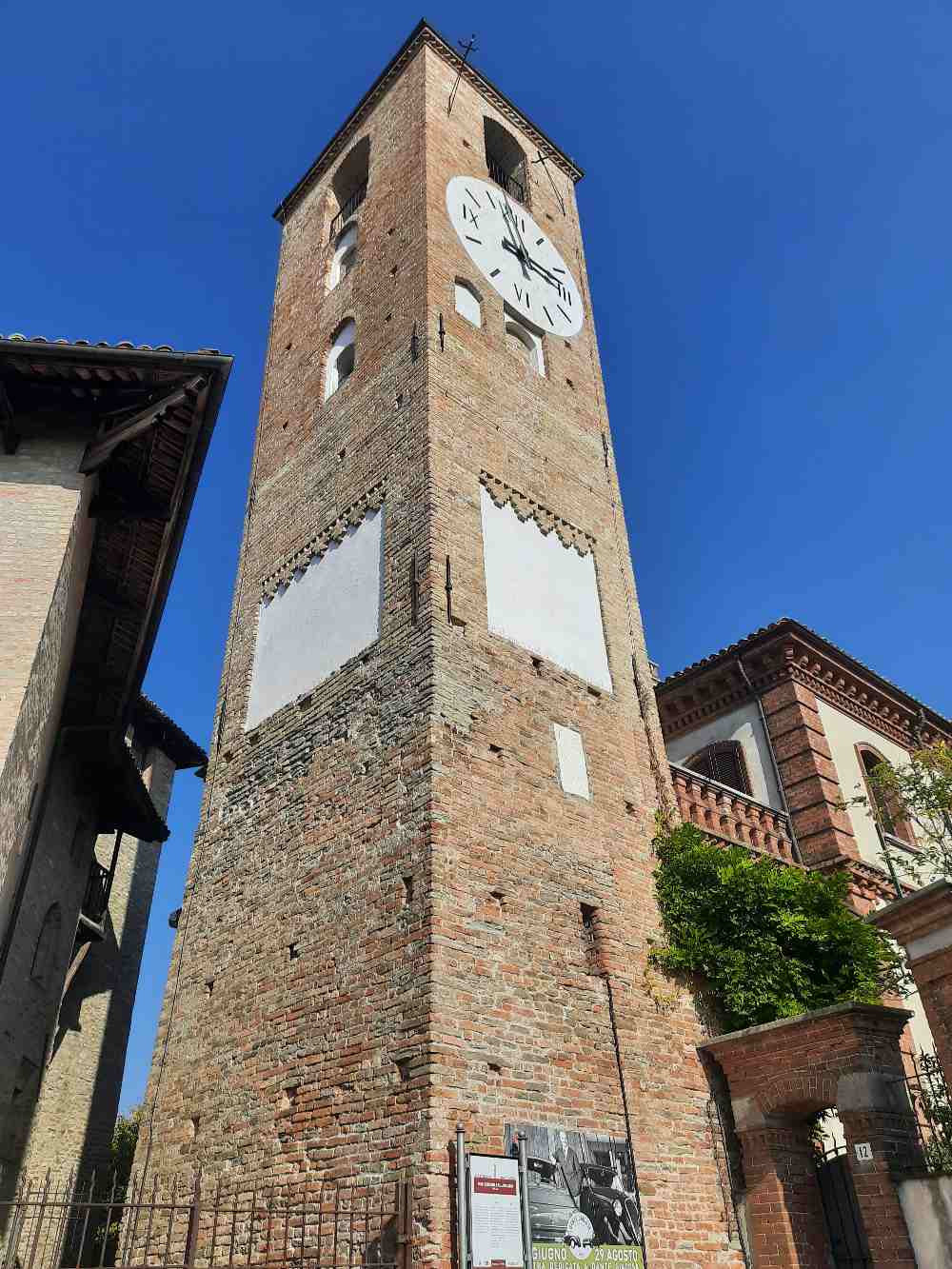
The last stop is Neive, a few minutes drive from Barbaresco. Inserted among the most beautiful villages in Italy, it is one of the best preserved and most harmonious centers in the area. The historic center lends itself to a slow visit, made up of aimless walks, among colorful houses, hidden courtyards and historic cellars. Here I recommend you simply walk, without a specific destination, letting the streets of this small village guide you. The perfect place to end a trip that, I am sure, you will do again as soon as possible because it is truly impossible not to fall in love with the Langhe.
You might also be interested in:
