
They are not abstract numbers or names that are difficult to remember. They are real animals and plants, with a specific role in ecosystems and a history intertwined with ours. Yet, while 2026 has just begun, ten extraordinary species risk disappearing in general silence, crushed by deforestation, climate crisis, pollution and illegal trafficking.
The alarm was raised by Fauna & Flora, which published the new one on January 7th Species to Watch list. A list that brings together “bizarre and wonderful” but also symbolic creatures, united by a fragile destiny. And from an uncomfortable question: how much longer can we afford to wait?
This list is not just a scientific exercise. It is a true reflection of the pressures we are putting on ecosystems: habitat loss, intensive resource exploitation, illegal wildlife trade, climate change that is accelerating faster than our responses. But it is also, as conservationists point out, a message of hope, because alongside the endangered species there are projects, local communities and researchers who try every day to reverse the trend. Ten different stories, ten alarm bells that speak the same language.
Ten species, ten stories that explain why nature can no longer wait
There was a time when the European eel was very common in the rivers and lakes of our continent. Today it has become the silent symbol of the decline of freshwater ecosystems. In just 25 years, in the UK alone, the population has collapsed by 95%. Overfishing, pollution, dams that cut off waterways and a thriving illegal market are taking its toll. Yet this species, little loved by the general public, is fundamental for the balance of ecosystems, because it represents a source of food with high energy value for otters, ichthyophagous birds and other fish.
Among the forests of south-eastern Asia lives one of the rarest primates on the planet: the cao-vit gibbon. Its name derives from the unmistakable call with which it communicates. For years it was thought to be extinct, until it was rediscovered in 2002. Today, approximately 74 individuals remain. A number that exposes the species to enormous risks, such as the loss of genetic diversity and vulnerability to unpredictable events. A new census in 2026 will help understand whether conservation efforts are really working.
Then there is a spider that seems to have come out of a psychedelic dream: the Indian rainbow tarantula. It lives exclusively in the forests of the Western Ghats, in southern India, and its iridescent body with metallic reflections is as fascinating as it is dangerous. Precisely its beauty makes it a coveted prey in the illegal trade of exotic animals. Added to this is the destruction and degradation of habitat. A team of experts is working in the field to protect it, involving local communities and monitoring the species.
In the seas between the Mediterranean and the eastern Atlantic swims a creature with an almost unreal appearance: the black-chinned guitarfish. It looks like a cross between a shark and a ray, but it is one of the most endangered species in the world. Intensive fishing, the destruction of coastal habitats and slow reproductive rates have pushed it to the brink of extinction. In places like Cape Verde, conservation projects aim to strengthen marine protected areas and reduce bycatch.
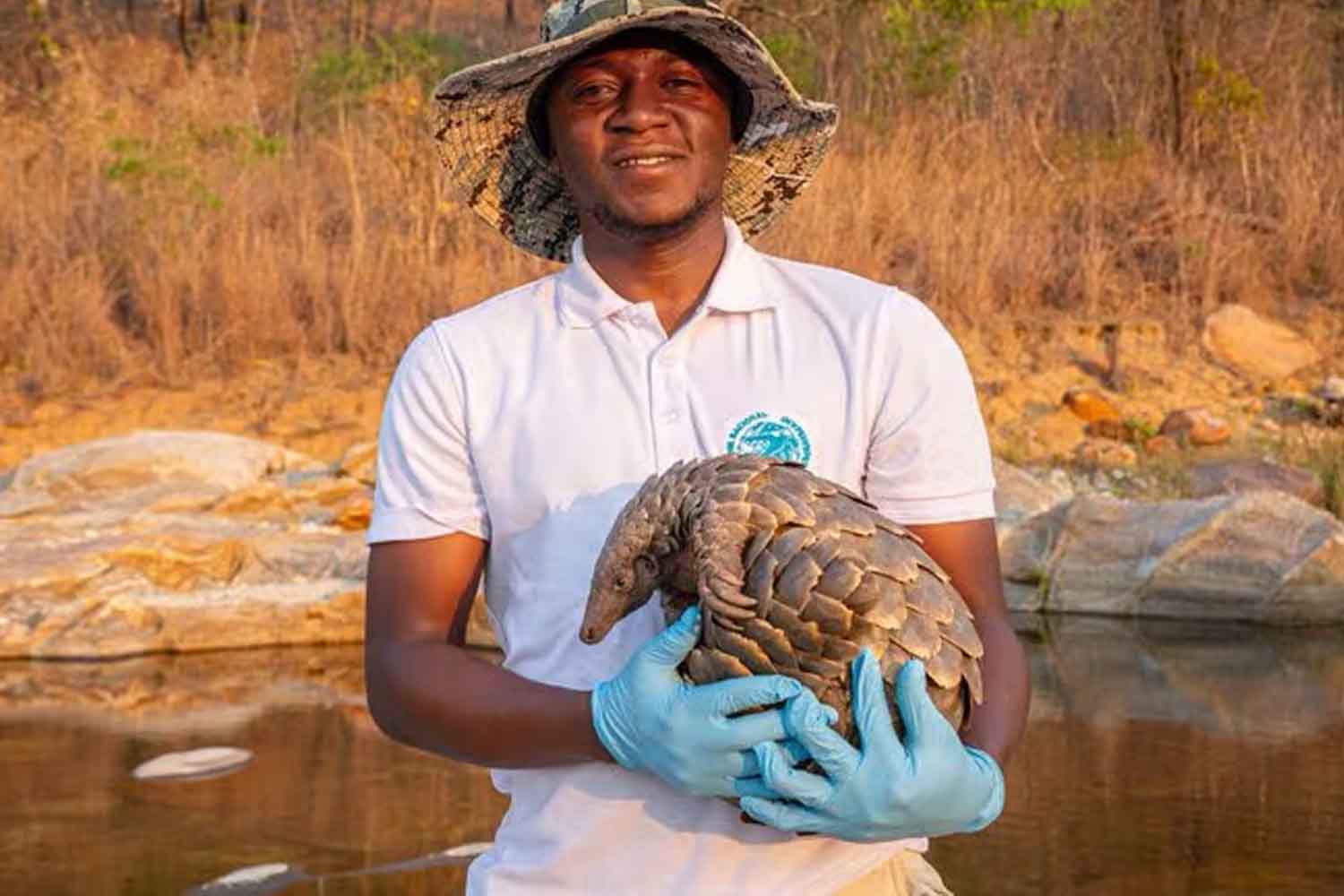
The Temminck pangolin lives in eastern and southern Africa, the only African pangolin also adapted to arid areas. It moves slowly, often balancing on its hind legs, using its tail as a counterweight. A fascinating adaptation which however does not save him from the main threat: the illegal trafficking of meat and scales. For this reason, initiatives are underway to create emergency structures dedicated to the rehabilitation of rescued specimens.
The sacred falcon, very fast and powerful, has for centuries been one of the most appreciated birds in falconry, especially in the Middle East. But this long tradition has come at a very high cost. Today it is estimated that fewer than 30,000 remain in the wild. Future studies will focus on the impact of international trade and how to reduce it by involving local communities.
In the forests of South-East Asia the clouded leopard moves with extreme discretion. Its spotted coat makes it one of the most fascinating felines, but also one of the most persecuted. It is caught alive as an exotic animal or killed for its skin; teeth and bones often end up on the black market, passed off as tiger parts. In Cambodia, patrols led by local communities are active to protect it.
On the Honduran island of Utila lives an iguana that exists nowhere else in the world. It is totally dependent on mangrove forests and, although it is still critically endangered, there is some good news: a recent census indicates that the population could have doubled. A concrete signal that habitat protection works when it is carried out continuously.
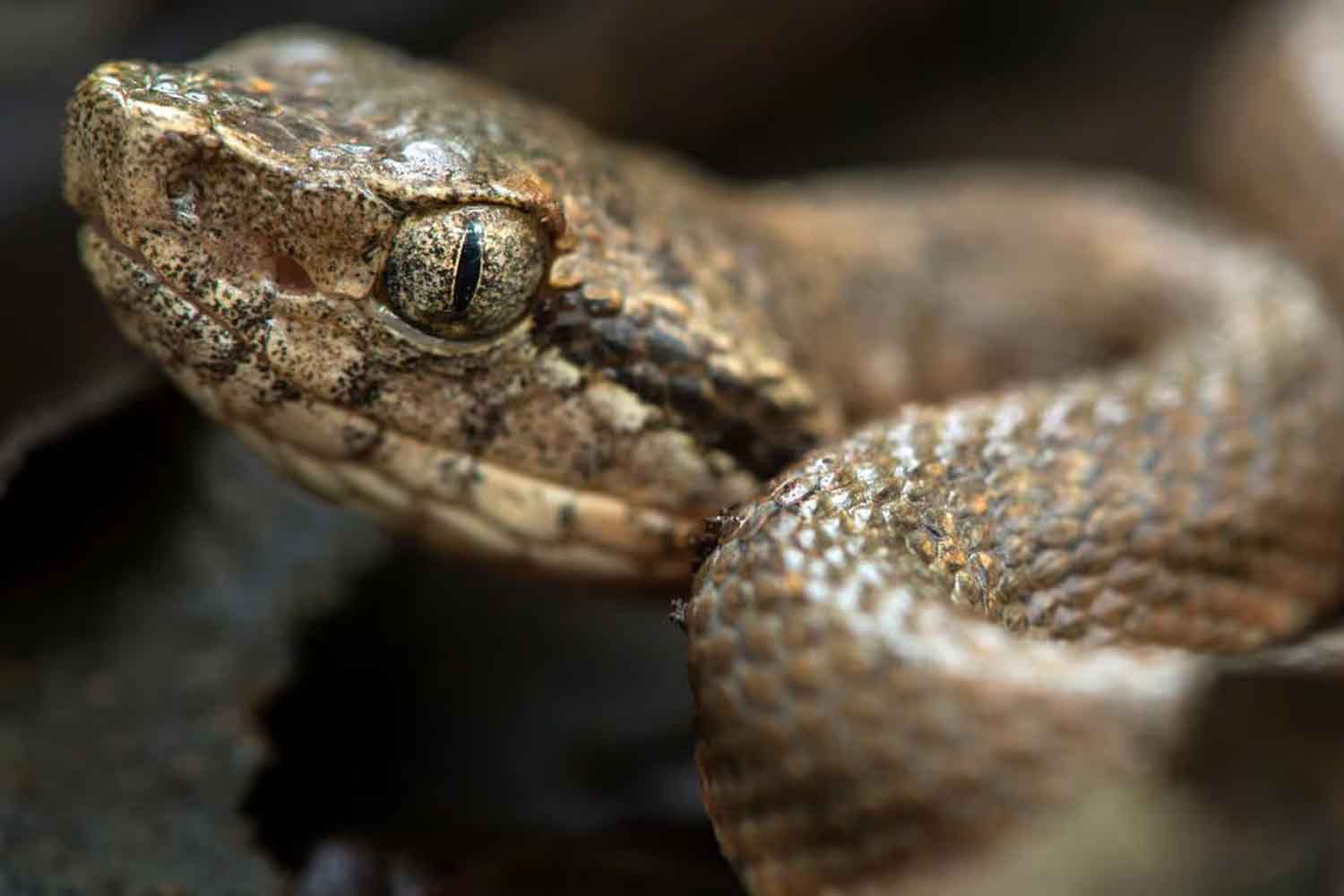
In Saint Lucia, in the Caribbean, there lives a viper feared by all: the fer de lance of Saint Lucia. It can exceed two meters and is highly venomous, but it is not aggressive and bites only if threatened. Despite this, she is often killed out of fear. Conservation projects aim to change the perception of this snake, transforming it from a public enemy to a natural heritage.
Finally, it’s not just animals. Plants are also paying a very high price. Wild tulips, ancestors of cultivated varieties, originate from the mountains of Central Asia. Kazakhstan, Kyrgyzstan, Uzbekistan and Tajikistan are home to 63 unique species, more than half of those in the world. However, excessive grazing, indiscriminate harvesting, urbanization and climate change are endangering these ancient blooms.
You might also be interested in:
