
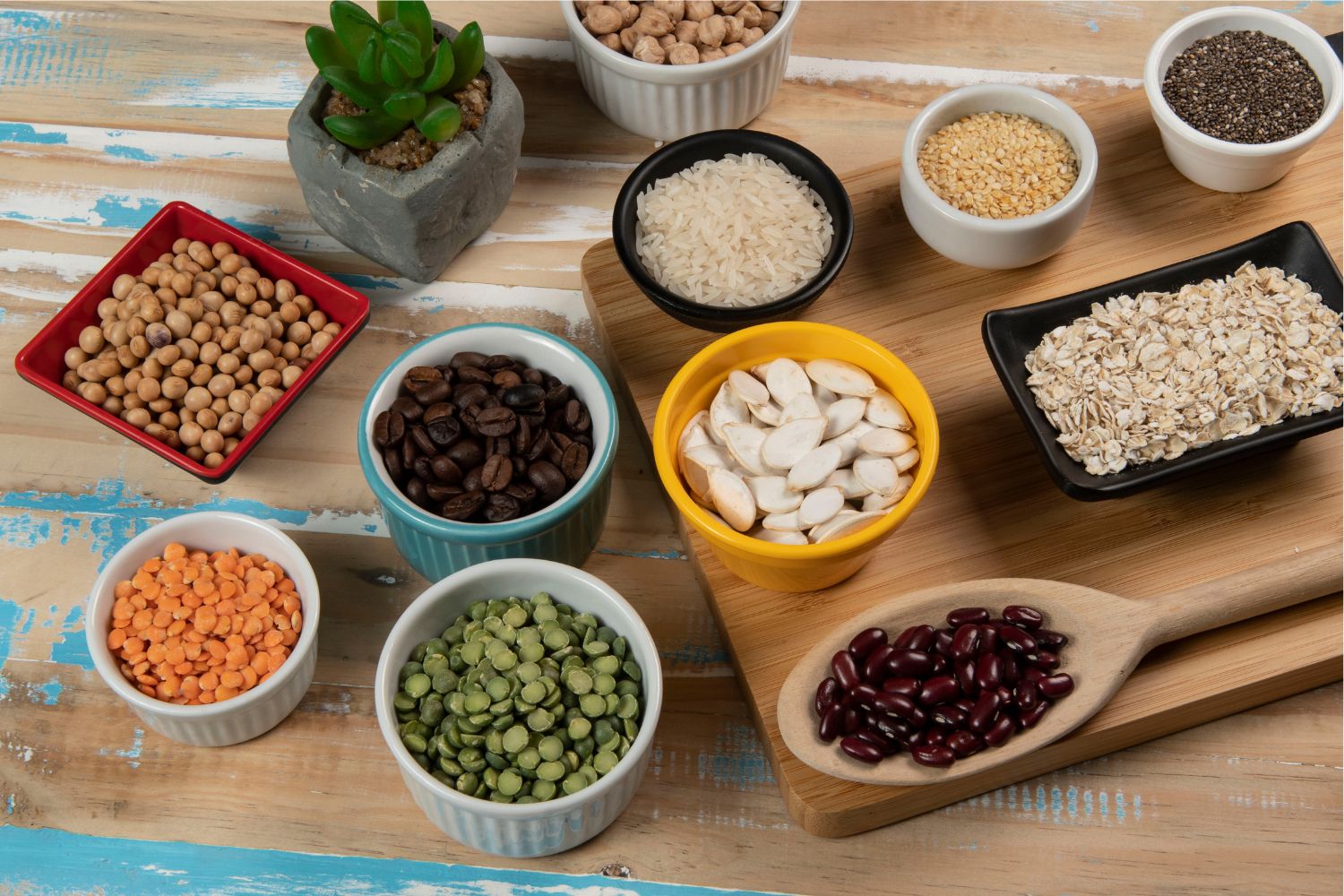
In the contemporary debate on nutrition, sustainability and public health, legumes continue to occupy a paradoxical space: celebrated by nutritional science, recommended by international guidelines and yet still marginal in the daily diet of many Western countries, including Italy. Yet one of the most effective combinations of vegetable proteins, fibre, micronutrients and low environmental impact is concentrated precisely in legumes. Looking at the global variety, a surprising nutritional geography emerges that goes far beyond the classic chickpeas, lentils and borlotti beans.
Soy
Soy remains the point of reference when it comes to protein density in the plant world. Often reduced in public discourse to an industrial raw material or symbol of alternative diets, in reality it represents one of the very few plant sources with a complete amino acid profile, comparable to that of animal proteins. It also contains isoflavones, compounds studied for their possible protective effects on the cardiovascular system and hormonal health. In Italy, direct consumption remains limited compared to East Asia, where tofu, tempeh and fermented drinks are part of everyday food.
Lupins
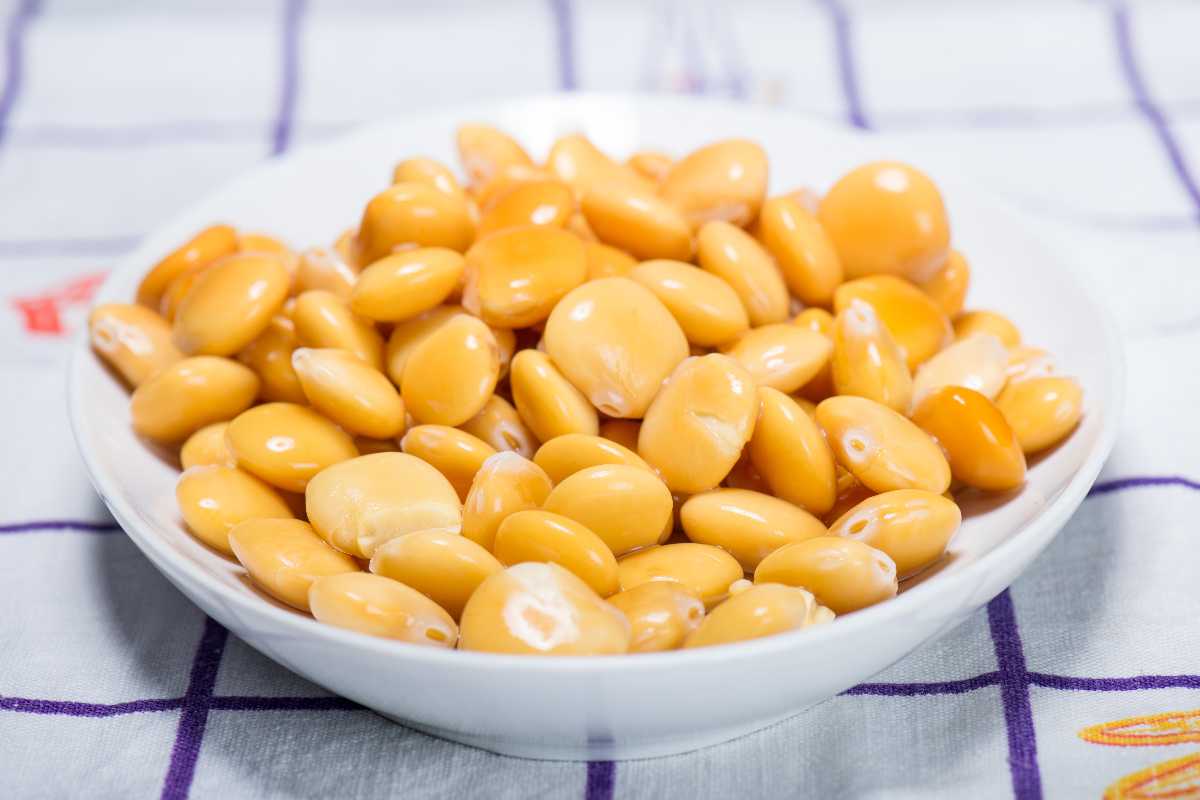
Lupins tell an ancient story. Already widespread in the Roman diet, today they survive mainly as a savory bar snack, despite one of the highest protein contents of the entire legume group and a significant quantity of soluble fibers useful for controlling cholesterol. Their almost disappearance from domestic cuisine reflects a cultural change rather than a nutritional one: they have remained in the collective memory, but not on the daily plate.
Lentils
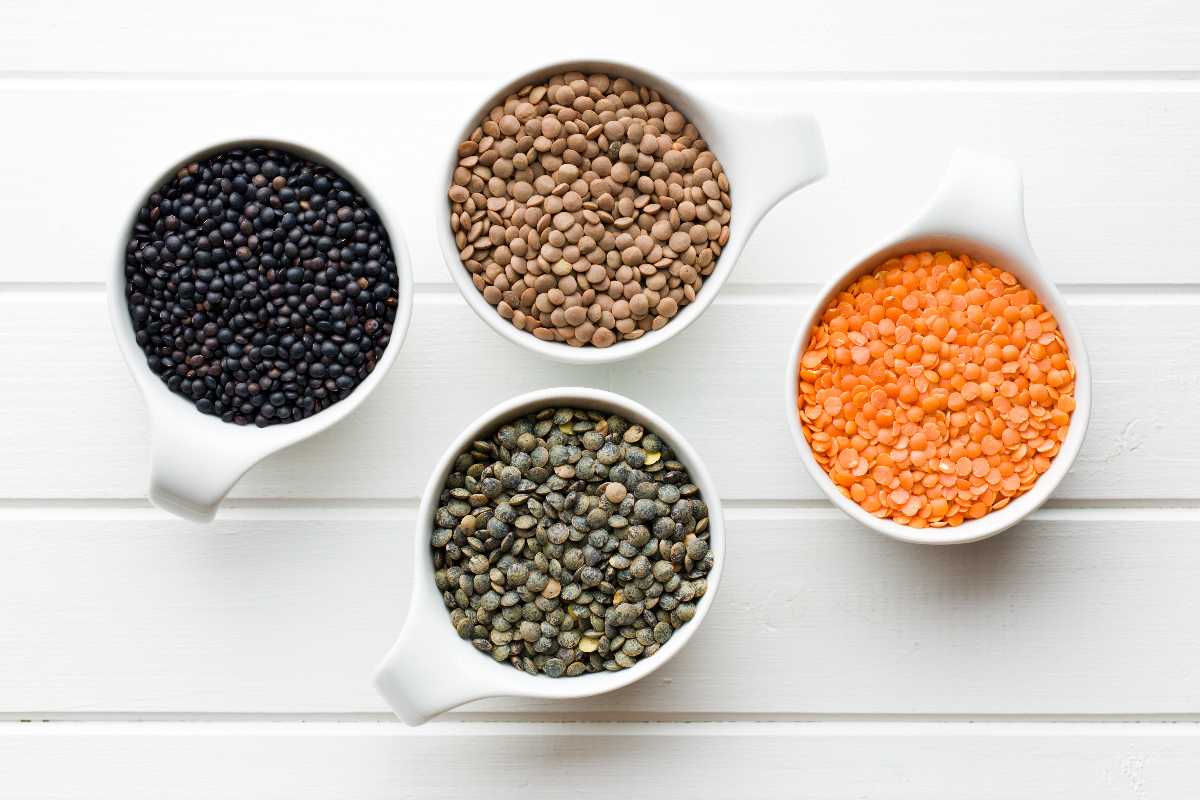
Lentils continue to be among the most accessible and versatile legumes, but their real richness can be grasped by observing less widespread varieties. The black ones concentrate antioxidants similar to those of berries, while the peeled red ones combine a good iron and folate content with very rapid cooking times, a decisive quality in an era dominated by haste. Despite this, consumption often remains confined to traditional or seasonal preparations.
Chickpeas
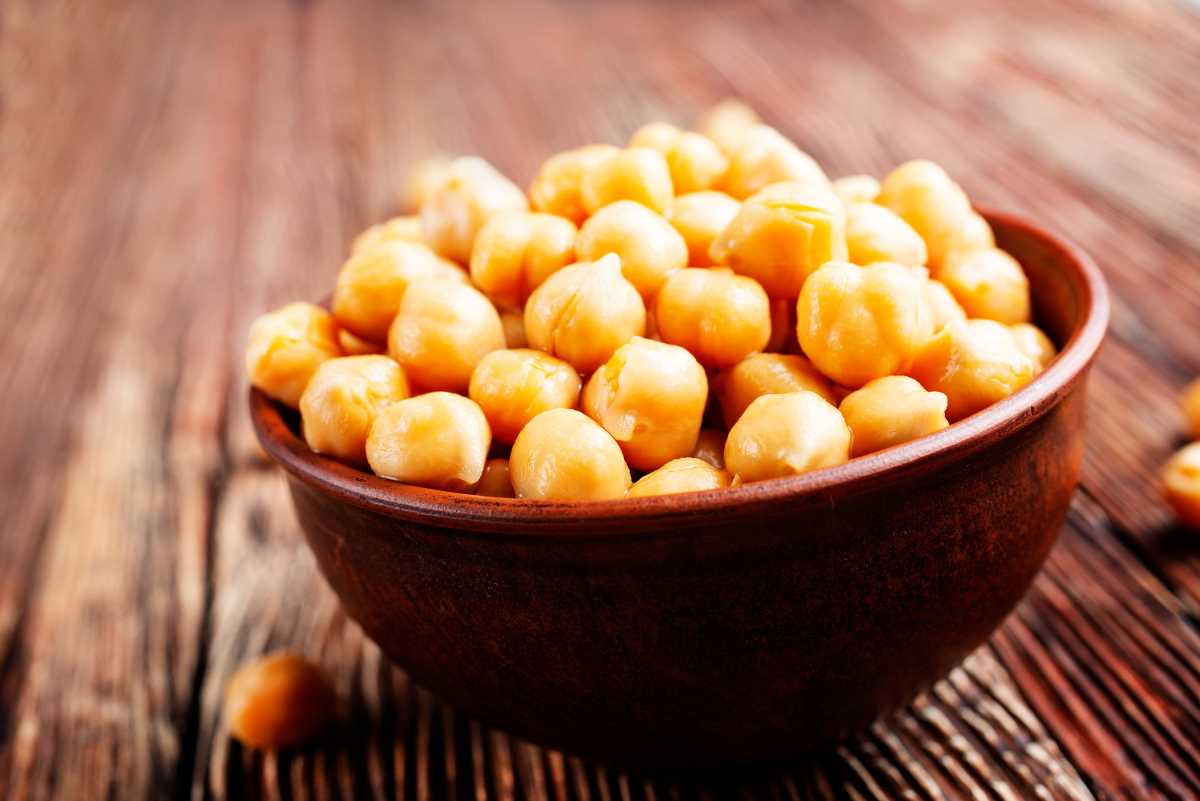
Chickpeas are one of the historical pillars of food from Italy to the Middle East. The balance between complex carbohydrates, proteins and minerals also makes them suitable for low glycemic index diets, while the presence of fiber contributes to intestinal health. Elsewhere, culinary creativity has made them modern protagonists, while in Italy they often remain tied to a relatively limited repertoire.
Black beans
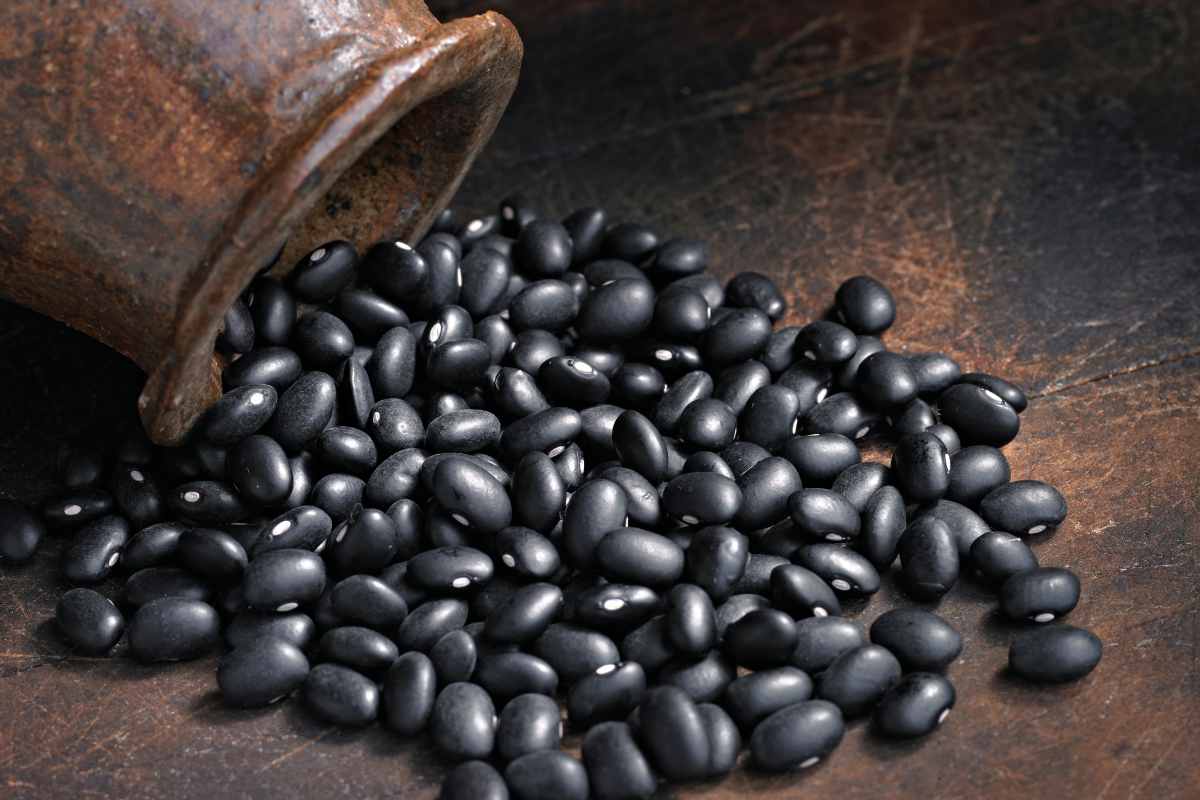
Extremely widespread in the Americas, they introduce an element that is almost absent in the most common varieties on Italian tables: the high concentration of anthocyanins, pigments with an antioxidant function. They also offer proteins, iron and fiber in significant quantities, but remain perceived as exotic despite the fact that they could easily integrate into the local gastronomic tradition.
Dark red beans
Protagonists of many Caribbean and Latin American cuisines, they have a meaty texture and a rich nutritional profile that makes them a credible alternative to animal proteins. In Italy they rarely appear, a sign of how eating habits are determined more by custom than by nutritional quality.
Azuki beans
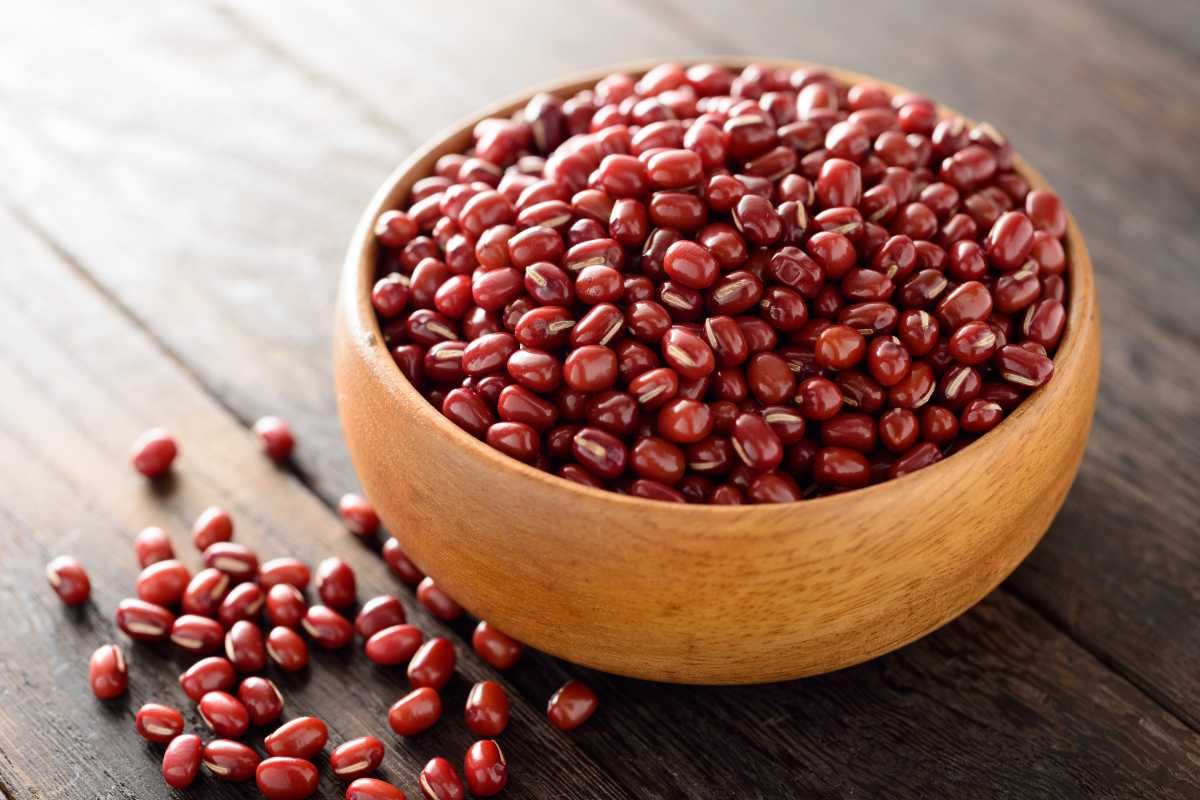
Small red beans rich in potassium, fiber and polyphenols, also known for their high digestibility compared to other legumes. In Japanese and Korean cuisines they enter both savory dishes and sweet preparations, demonstrating a versatility that is almost unknown in the European context.
Mung
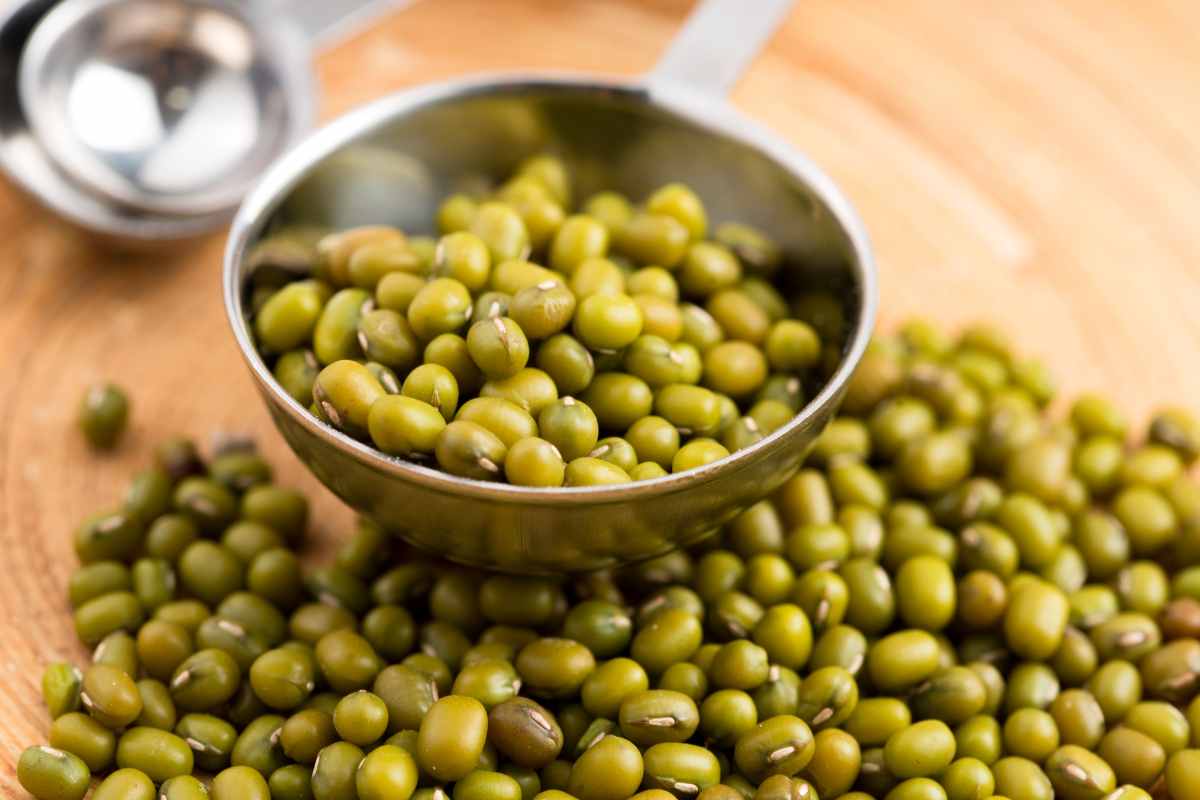
Consumed whole or in the form of fresh sprouts, they introduce a rare element in the world of legumes: the presence of vitamin C. Quickly digestible and rich in proteins and micronutrients, they embody the idea of a simple but nutritionally strategic food, still not widespread in Italy.
Split peas
They carry with them the image of a peasant past, but show a high concentration of fermentable fibers precious for the intestinal microbiota and metabolic regulation. Reevaluating them would mean recovering not just an ingredient, but an entire food model based on nutritional simplicity.
Cowpea and pigeon pea
The cowpea, widespread in West Africa, resists drought, grows in difficult soils and guarantees a significant supply of proteins and micronutrients. Next to him, the pigeon pea plays a similar role in many tropical regions. More than simple ingredients, they represent agricultural and nutritional strategies adapted to fragile ecosystems.
The point, then, is not just nutritional, legumes fix nitrogen in the soil, reduce dependence on chemical fertilizers, require less water than animal proteins and contribute to soil fertility. Despite this, average consumption in Italy remains distant from scientific recommendations, held back by consolidated habits and a cultural perception that still associates them with a past of poverty.
Yet the ongoing dietary transition – between plant-based diets, attention to metabolic health and environmental pressure – is slowly bringing these foods back to center stage. The real challenge will not simply be to eat more of it, but to rediscover its variety. Because within the word “legumes” there is not a single food, but an entire nutritional and cultural heritage that the modern world has only partially forgotten.
