
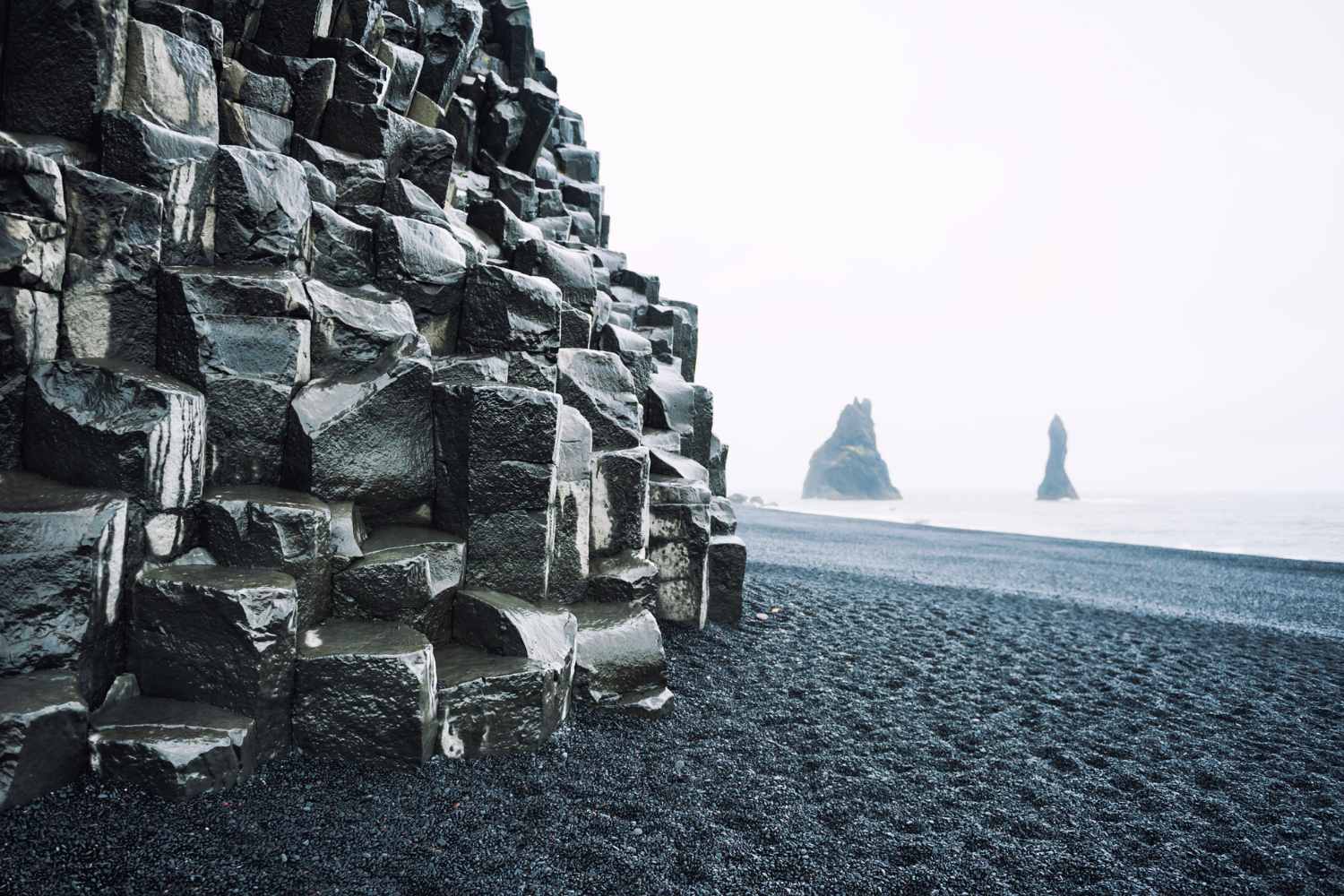
Reynisfjara beach, already known as one of the most dangerous coasts in the world for lethal sneaker waves (we talked about it in this article) now faces a different threat: the violent erosion caused by recent storms is definitively erasing it. Located on the southern coast of Iceland, 180 kilometers from Reykjavík and near the village of Vík í Mýrdal, this expanse of black volcanic sand represents one of the country’s natural symbols and was also chosen to film some scenes of the “Games of Thrones” series. In particular, it was used as a location in the seventh season for the scenes set in Eastwatch-by-the-Sea, the castle of the Night’s Watch; the basalt columns, the violent waves and the stacks of Reynisdrangar have contributed to creating that menacing atmosphere typical of the lands beyond the Wall.
View this post on Instagram
Unfortunately, however, the torrential rains and anomalous waves of recent weeks have accelerated a process of erosion which risks drastically reducing the extension of the beach. According to what was reported by the Icelandic media, the coastline is narrowing in a worrying way, leaving room for a much smaller coastline than in the past.
View this post on Instagram
A landscape born from fire
The origin of the black sand of Reynisfjara lies in the bowels of the earth. The dark, almost charcoal color comes from volcanic debris and ash produced by eruptions of the Katla volcano, one of Iceland’s most active volcanic systems. The result is a stunning color contrast: the dark sand, the hexagonal basalt columns rising from the cliff like stone organ pipes, and the blue-gray waters of the Atlantic crashing onto the shore.
View this post on Instagram
The Reynisdrangar stacks emerge from the sea right in front of the beach, while the Hálsanefshellir cave opens up at the foot of Mount Reynisfjall. During the summer, puffin colonies choose these cliffs to nest, attracting birdwatchers from all over the world.
Icelandic legends say that the sea stacks were once trolls that dragged ships towards the shore during the night. Surprised by the dawn while still busy with their work, they were petrified by the first rays of the sun. Another version tells of a husband who chased trolls after they kidnapped and killed his wife, freezing them to prevent new victims.
The waves you don’t hear coming
But beyond the beauty and folklore, Reynisfjara holds a concrete and deadly danger. Sneaker waves, anomalous waves that suddenly appear after minutes of apparent calm, represent the real danger of this beach. The ocean floor drops rapidly, creating the perfect conditions for high and very violent waves, capable of overwhelming anyone who is too close to the shore.
When a sneaker wave hits, it generates a suction effect that sweeps away the sand underfoot and drags people out to sea, where the currents are powerful and the freezing water causes hypothermia within minutes. There are no lifeguards or immediate rescue facilities. The chances of survival are very small.
Last summer a German family was overwhelmed by one of these waves. A little girl was taken away from the sea, while the father and the other daughter were miraculously recovered. The tragedy has reignited the debate on the safety of the site, which is freely accessible despite the warning lights: yellow light to signal the ban on entering certain areas, red light to completely prohibit access beyond a certain limit.
Tourism and extreme nature
Reynisfjara is one of the most photographed and visited attractions in Iceland, included in almost all tourist itineraries on the south coast. Its accessibility and proximity to the Ring Road make it a must-see destination for thousands of tourists every year. But this very ease of access creates a problem: many visitors come from contexts where nature is more tamable and are not prepared to face such an extreme environment.
View this post on Instagram
Now, with erosion threatening to reduce the beach to an ever-narrower strip of coast, an inevitable question arises: is it worth risking human lives to keep a place as beautiful as it is dangerous accessible? And if the beach itself were to disappear under the blows of the sea, what would remain of one of the most iconic natural symbols of the country?
Icelandic nature does not grant discounts. Reynisfjara demonstrates this every day, both with the killer waves and with the inexorable erosion that is changing the face of the coast. Anyone who visits it must be aware that it is not a playground, but a wild place where man is only a temporary and fragile guest.
