
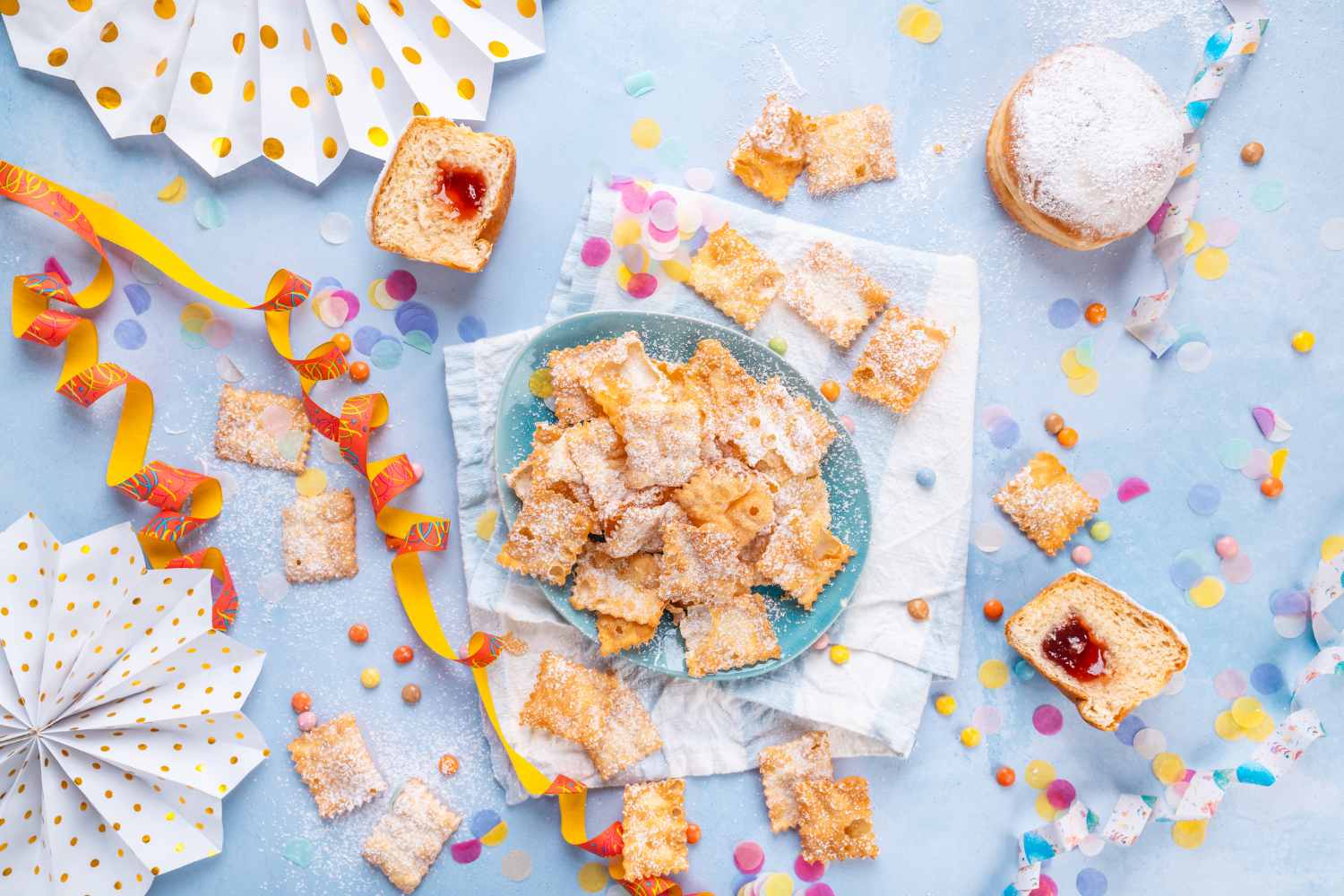
Carnival is coming to an end and to greet it, what’s better than a good regional dessert? This time we will go to Tuscany to discover the Florentine Schiacciata, Cenci, Rice Fritters and Berlingozzo.
Florentine Schiacciata
Flat, soft and scented with orange, the Florentine Schiacciata is the sweet symbol of the Florence Carnival. The origins date back to at least the nineteenth century, when Pellegrino Artusi mentions it as “greasy flat bread”. On the surface, tradition dictates that icing sugar and cocoa are arranged through a stencil in the shape of a Florentine lily, the symbol of the city.
Ingredients (for a rectangular baking tray of approximately 20×30 cm):
Preparation:
Dissolve the yeast in the warm milk, then arrange the flour in a well on a pastry board, pour the eggs, sugar, chopped lard, salt, grated orange zest, juice and spices into the centre. Add the milk with the yeast and work everything with your hands until you obtain a smooth and elastic dough. Leave to rise covered in a warm place for at least two hours, until the volume doubles. Transfer the dough into a greased and floured rectangular pan, roll it out into a layer of about three centimeters and let it rise for another hour. Bake in a preheated oven at 180° for about 30-35 minutes, until the surface is golden. Remove from the oven, let cool completely, then place the lily stencil in the center and dust with icing sugar. Remove the stencil and complete the lily with bitter cocoa.
Cenci
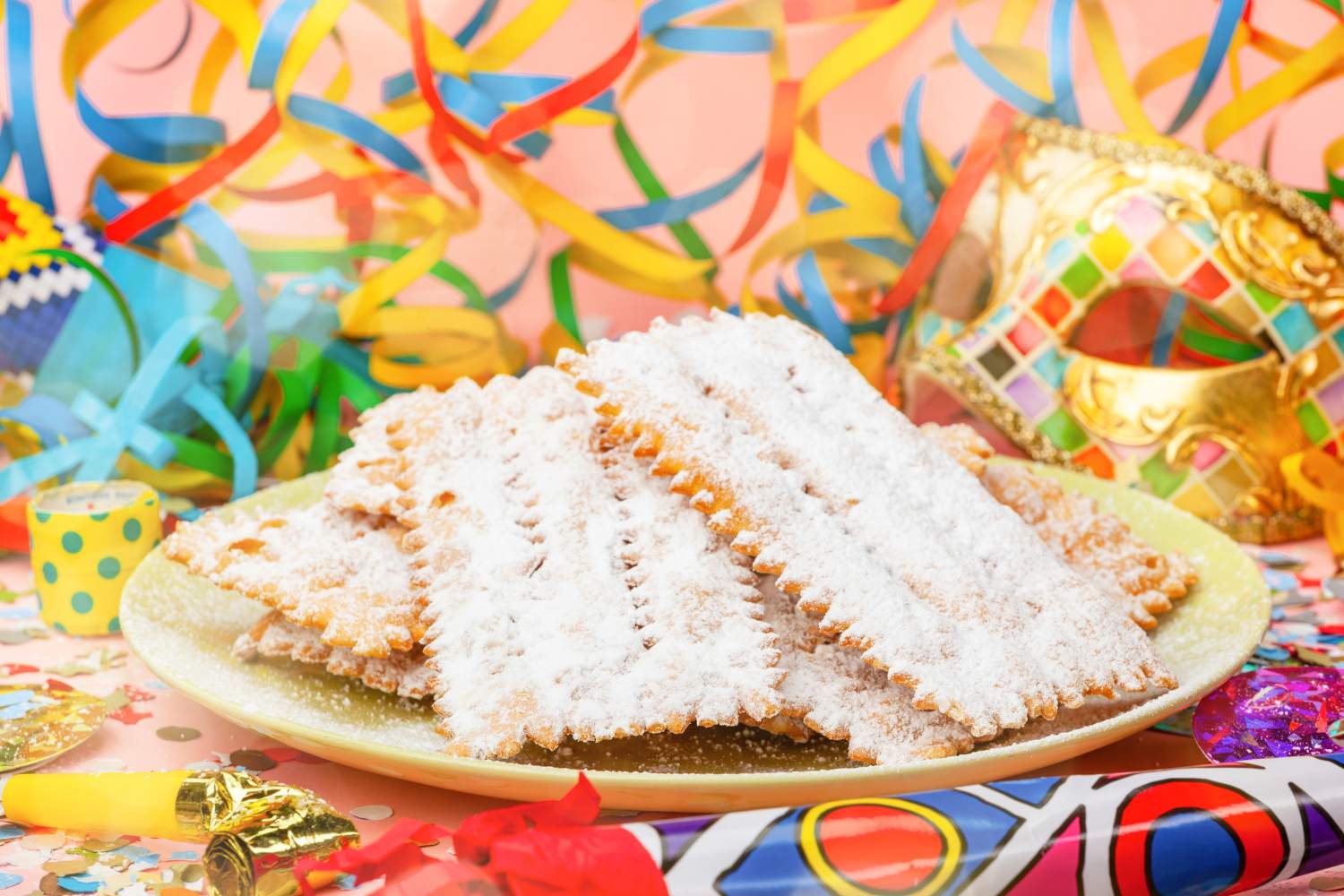
Frappe in Rome, chatter in Lombardy, lies in Liguria, damsels in some areas of Prato and Pistoia. In Tuscany they are called cenci, and the name is not accidental: it recalls rags, due to the irregular shape they take on once fried. The first written recipe dates back to 1560, in the treatise La singular doctrine by Domenico Romoli, a Florentine gastronome. Pellegrino Artusi takes them up again in his famous manual of 1891, definitively consecrating them as a Tuscan carnival dessert.
Ingredients (for 4-6 people):
Preparation:
Place the flour in a well, pour the eggs, sugar, oil, Vin Santo, citrus zest, yeast and salt into the centre, then knead everything for at least ten minutes, until you obtain a smooth and elastic dough that does not stick to your hands. Wrap it in a lightly floured cloth and let it rest for thirty minutes, then roll out the dough with a rolling pin or pasta machine until it is about 2 mm thick. Using a serrated wheel, cut irregular rectangles and make a cut in the center of each. Bring the oil to 170-180°C in a high-sided pan and fry the cenci a few at a time, turning them as soon as they become golden. Drain them on absorbent paper and sprinkle them with plenty of icing sugar. Eat them as soon as possible, because over time they tend to lose their crunchiness.
Rice pancakes
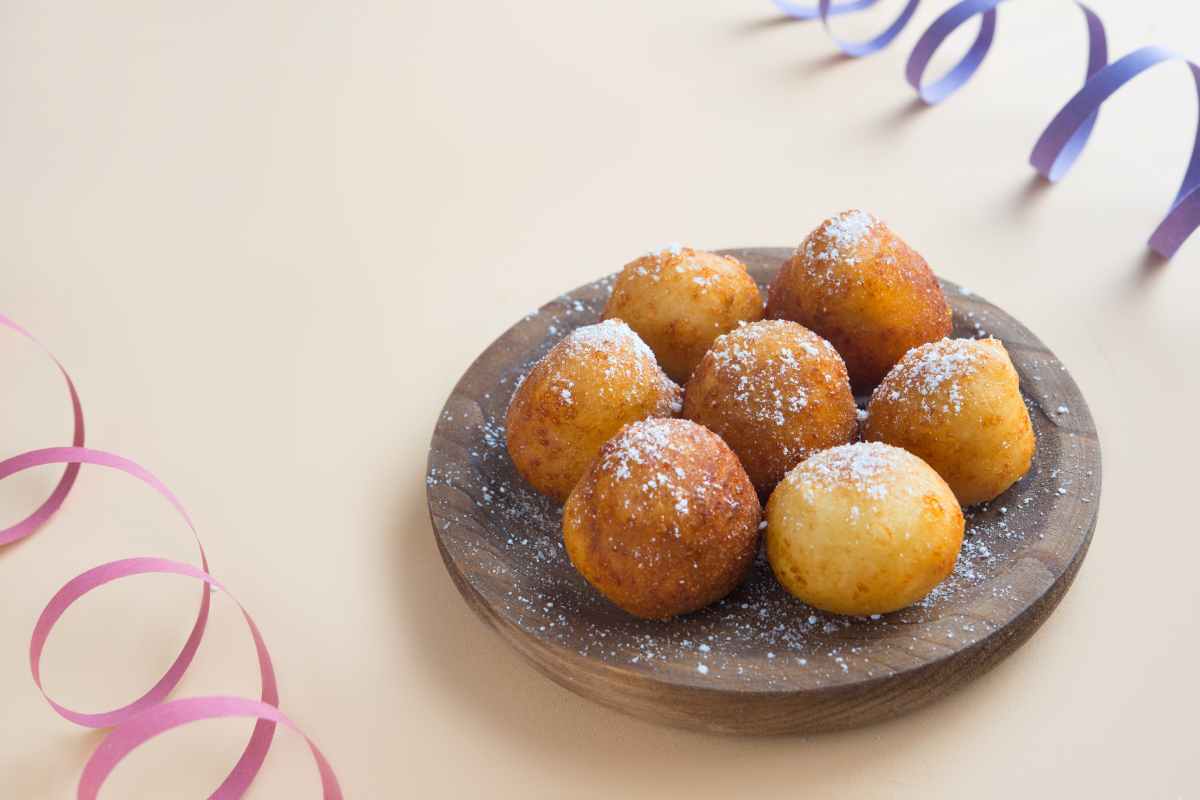
From the end of January until March 19th, St. Joseph’s Day, rice pancakes perfume the squares throughout Tuscany. In Siena, where they are also called “Giuseppine”, it has been a consolidated tradition for centuries: the Savelli family’s kiosk in Piazza del Campo has been preparing them with the same recipe for almost eighty years, and already in the 15th century the chef Maestro Martino de’ Rossi described the preparation in his “Libro de arte coquinaria”. They are served as a snack or dessert, happily accompanied by a glass of Vin Santo.
Ingredients (for 4-6 people):
Preparation:
Pour the milk and water into a pan, add the sugar, butter, a pinch of salt and the citrus peels, then bring to the boil, then add the rice and cook it over low heat, stirring often, until it absorbs all the liquid. Leave to cool completely, preferably for a few hours or overnight in the refrigerator. Add the eggs, the flour sifted with the yeast and the liquor to the cold rice and mix well. Use a spoon to form regular balls and fry them in plenty of hot oil at 170°C, a few at a time, until they become golden on all sides. Drain them on absorbent paper and pass them while still hot in granulated sugar. Serve them immediately.
Berlingozzo
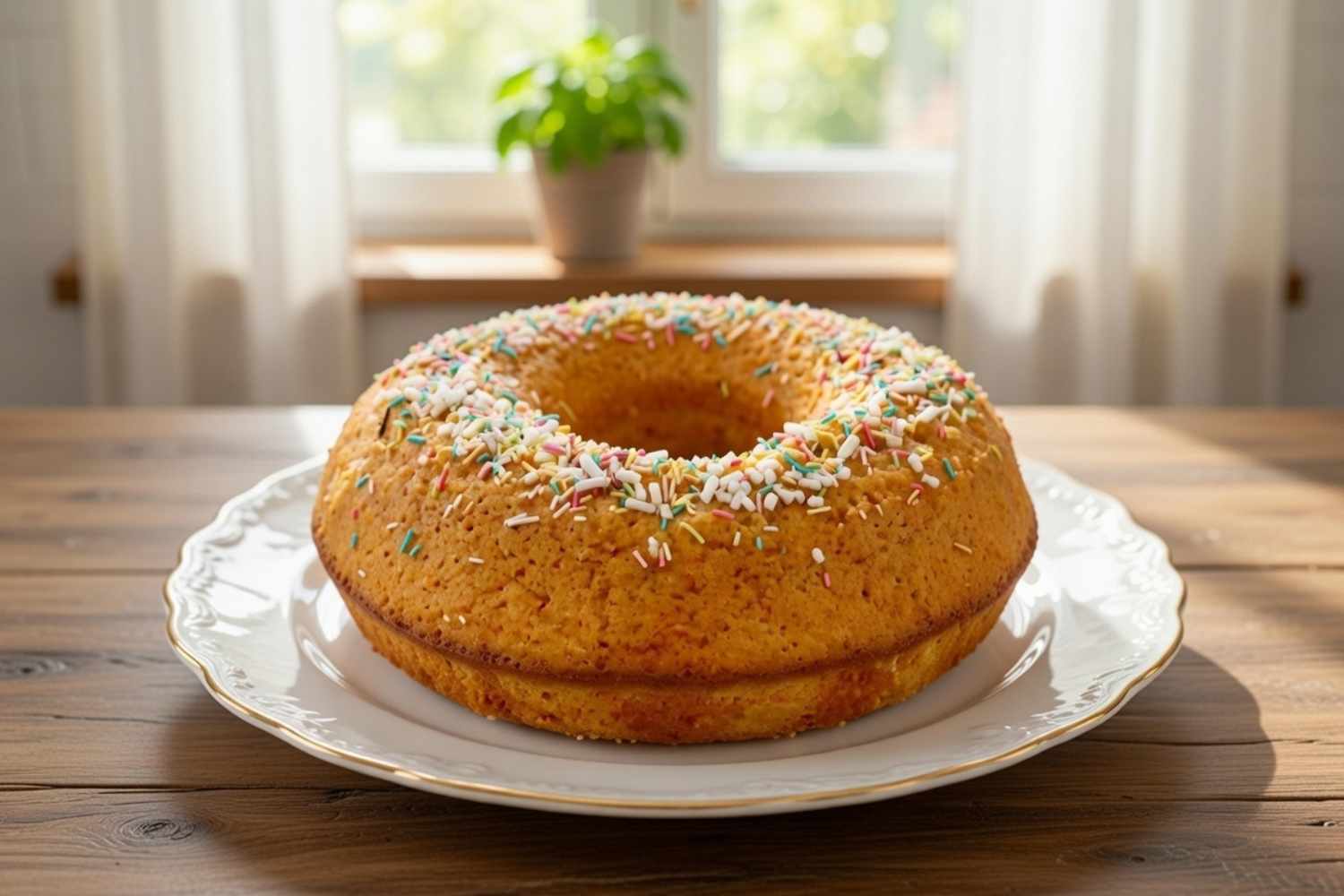
The name comes from “Berlingaccio”, a Tuscan term for Shrove Thursday, the day on which this dessert was historically prepared. It was also the name of a fifteenth-century carnival mask, while the verb berlingare in the sixteenth century meant having fun at the table. In Lamporecchio, a small Pistoia village famous for brigidini, berlingozzo is prepared with a dough similar to that of aniseed wafers, scented with orange and vanilla. It is a baked donut, without butter or milk, light and fluffy.
Ingredients (for a 26 cm donut mold):
Preparation:
Beat the eggs with the sugar, salt and citrus peel until the mixture becomes light and fluffy, at least five minutes with an electric whisk. Pour in the oil little by little, then the Vin Santo, continuing
to mix. Incorporate the sifted flour with the yeast, adding it little at a time and mixing from bottom to top so as not to dismantle the mixture. Pour everything into a buttered and floured donut mold. Cook in a static oven at 170° for about 35 minutes, without opening the oven during cooking. Leave to cool, then dust with icing sugar and, if you want to stay with the carnival theme, add some colored sprinkles.
Enjoy your meal!
