
So what is this “Wuthering Heights” like? Magnificent? Disappointing? “50 Shades of Grey” style on the moors (as the trailer implied)? Close to the release of the film, which made its debut in Italian theaters around Valentine’s Day, Tiktok and Instagram were invaded by frames of scenes, posters and comments on what has become a cinematic, but above all media, phenomenon. So what? Passed or failed? In newspapers and on social media, everything and more is said about the film directed by Emerald Fennell, director of films – equally talked about – such as “Saltburn” and “Promising Woman”.
“An emotional and breathtaking experience”: this is how Robbie Collin, the main film critic of the, defined it Telegraphawarding Wuthering Heights 5 stars. For the “purists”, who expected a version closer to the book, this film is almost a sacrilege. “I wonder if Fennell has ever read the novel… If you remove the title from the film and change the names of the characters, you don’t get anything similar to Brontë’s story” Therese Lacson points out bluntly on Collider. In short, one thing is certain: the film caused a great stir and divided the press and the public.
Before expressing any judgement, however, we must start from an obvious assumption starting from the title in quotation marks. The film was not created to be a transposition of Emily Brontë’s gothic classic, a complex and revolutionary work for its time. The British director has repeatedly spoken of her deep connection with the book since her adolescence and her desire to bring its “visceral emotional intensity” to the big screen.
Seductive aesthetics, but little depth
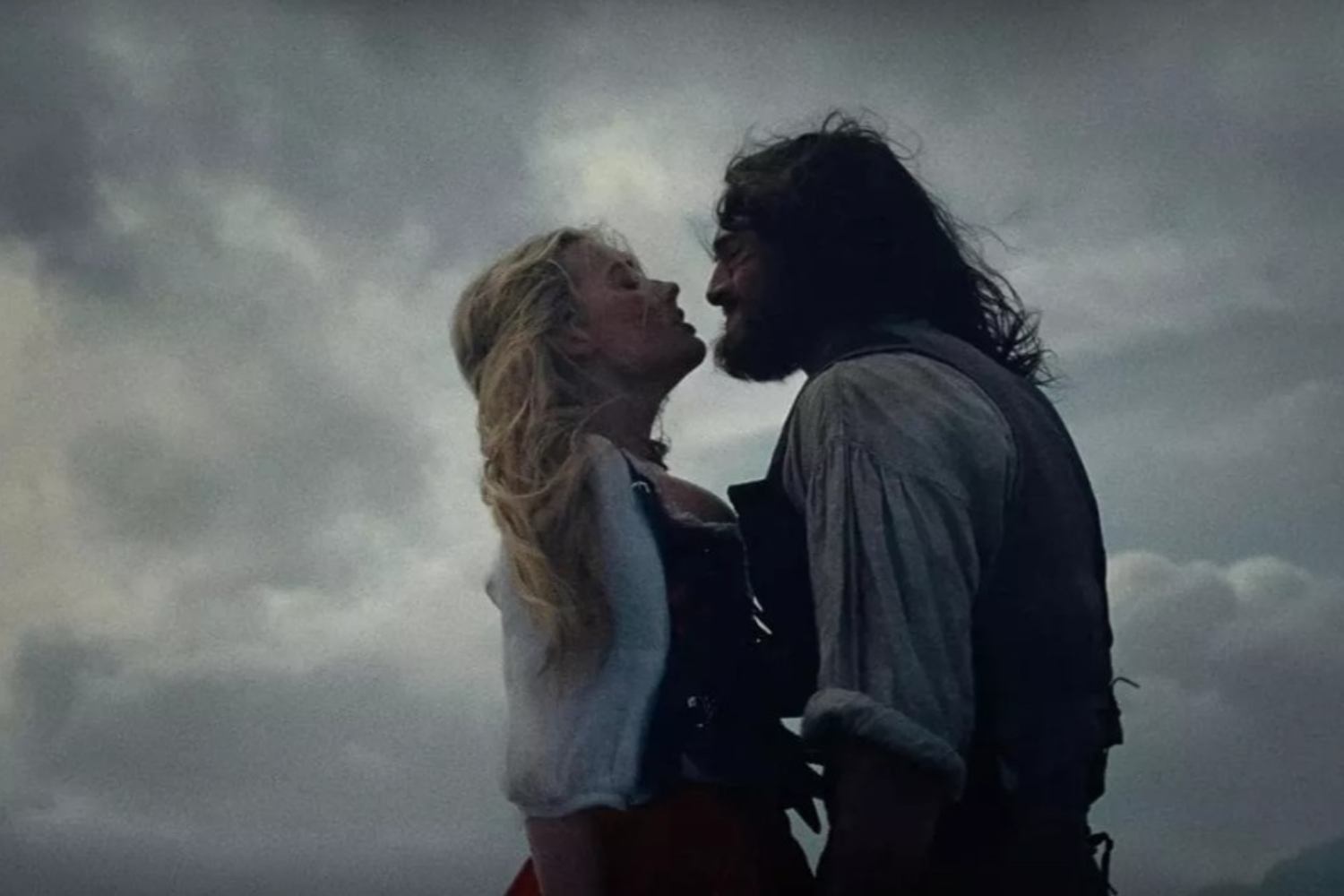
After watching it, it takes some time to put your mind in order, because the film generates mixed emotions. The sumptuous photography, the landscapes of the Yorkshire moors – made even more evocative by the wind and fog – and the choice of the two protagonists, Margot Robbie in the role of Catherine and Jacob Elordi in the role of Heathcliff, are striking. And what about the film’s promotional tour? The two protagonists, very close-knit and very elegant, made us dream, creating great expectations, especially among the younger generations.
What remains imprinted are Cathy’s sparkling costumes, decidedly anachronistic because they mix styles from various eras (from the Victorian era to the 1950s, passing through contemporary haute couture). In short, on an aesthetic level, the film is quite seductive, also thanks to the soundtrack by Charli But he can’t get to the bottom of it. On the screen, in fact, the chemistry between Catherine and Heathcliff appears decidedly weaker than expected. The sexual tension is there, often suggested rather than explicitly shown.
Director Emerald Fennell in fact uses corporeal and domestic symbols (from broken eggs to the dough being handled on the table) to refer to eroticism, creating a restless sensuality. But the relationship between the two protagonists is reminiscent of that between two teenagers attracted to each other, which however seems unlikely, given the real age of the actors and the difference between the two (Margot Robbie is 35 years old, while Jacob Elordi is 28, while in the story they should be the same age).
It’s okay that it’s a retelling that doesn’t want to be faithful, it’s okay that the ending is different and that the physical appearance of the characters differs from those in the book. But watching the film I had the impression that there was a mistake upstream: setting the screenplay by telling what seems more like a love story, which today some would define as “toxic”, between two people who – after having grown up together – meet every now and then to give vent to their sexual impulses, while Catherine’s poor husband cannot rest.
View this post on Instagram
A story of revenge transformed into an immature (and glossy) love story
But there is a big but. Wuthering Heights, however, was not born as a banal troubled romantic story; it is first and foremost a story of revenge, wounds to heal, obsession and humiliation (I can still hear my high school English teacher reiterating the important themes of Emily Brontë’s masterpiece novel). Here love does not save, it rather becomes a curse and causes the wound to grow which, as it widens, drags everything else down.
In the original story, to which the director remains quite faithful especially in the first part of the film, Heathcliff is found by Mr. Earnshaw (Catherine’s father) on the street in Liverpool – the central commercial port of the British Empire – and brought home as if he were a stray dog to be looked after. First he is welcomed almost with compassion by his adoptive father, then he is treated as a servant and always considered inferior due to his origins.
When Heathcliff discovers that his half-sister Catherine prefers an advantageous marriage to a rich man (and hears the revealing line “It would be degrading for me now to marry Heathcliff; so he will never know how much I love him”), his love turns to destructive anger and resentment. It’s a shame, however, that in Fennell’s version Heathcliff limits himself to playing the beaten dog, who occasionally growls and nips. Jacob Elordi fails to be completely credible. And at certain moments he seems to be playing the bad guy.
Heathcliff’s return, after Catherine’s marriage to Edgar Linton, is not driven by the desire for reconciliation, but by a lucid plan of punishment. To strike back at those who humiliated him, he is even willing to marry Isabella (who in the film is Edgar Linton’s pupil, while in the book his sister), transforming the pain into a chain of infernal destruction.
All this dynamic of revenge, anger and resentment emerges little in the film directed by Fennell, so the structure of the entire work falters. Heathcliff, played by Elordi, is less diabolical and decidedly more softened. In various scenes he comes out with biting phrases and mischievous looks and then? Even when he acts evil towards Isabella, out of spite towards Catherine, it seems rather forced.
And the film therefore ends up turning out to be more of a glossy work (which winks at younger people who haven’t read the novel), whose scenes are destined to be transformed into memes talking about “illnesses” and “toxic love”. In short, Emerald Fennel could have dug and dared much more (and I’m not talking about steamy scenes). Yes, the peaks were there, but honestly I – and not just me – expected them to be stormier.
Ah, I forgot a positive note about the film. In one scene of “Wuthering Heights” there is a very emotional version of the English ballad “The Dark Eyed Sailor” (dating back to the 19th century), performed by the folk singer Olivia Chaney. And it deserves to be listened to, I leave it here:
