
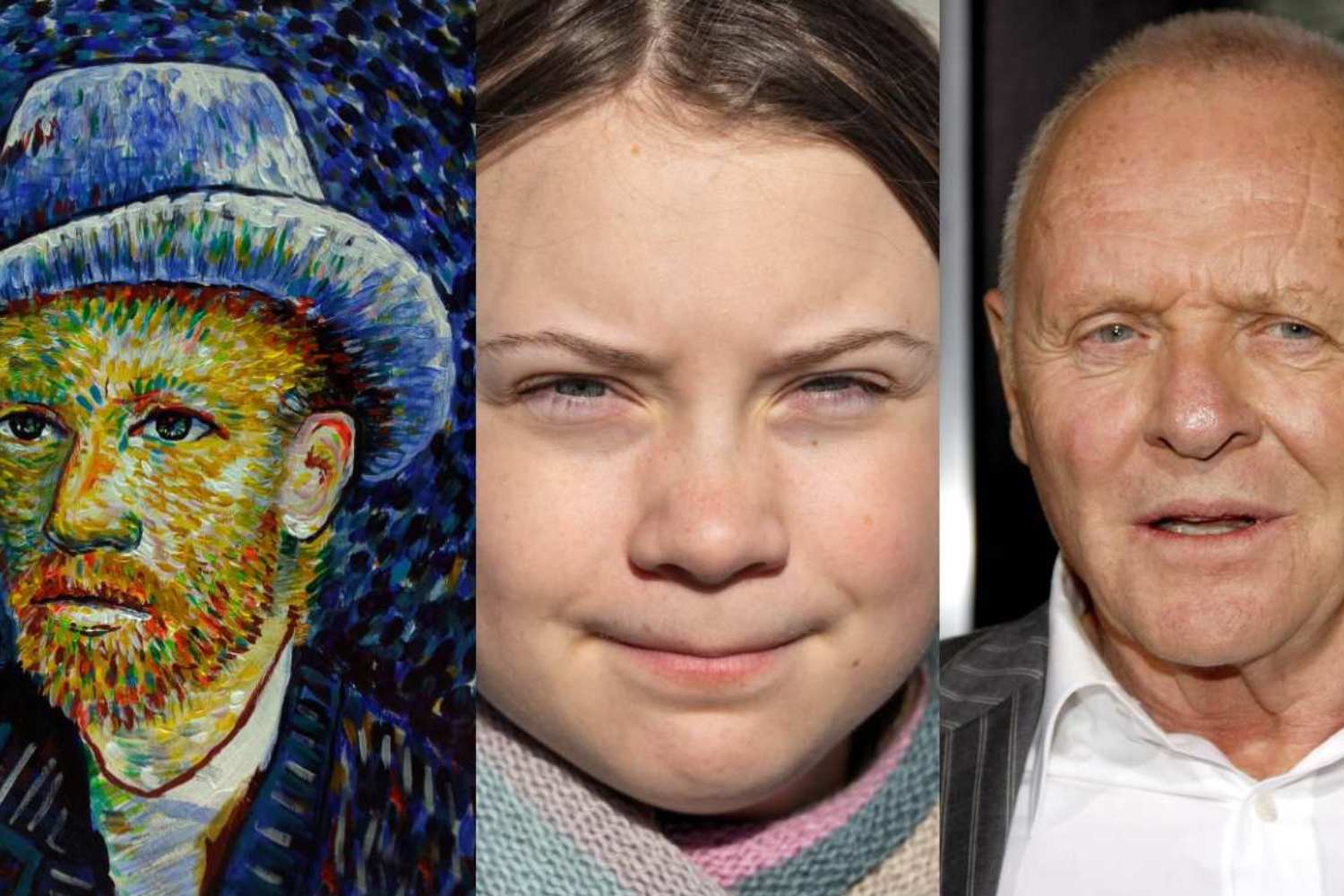
From Greta Thunberg to Einstein, from Tim Burton to Van Gogh, there are many characters “aspies”, that is, those who suffer from pervasive developmental disorder, the Asperger’s syndrome (SA). A neurodevelopmental disorder that causes those affected to have difficulties in social interactions and restricted patterns of behavior and interests. But what exactly is Asperger’s Syndrome?
There are many traits in common with autism: AS, in fact, falls within the spectrum of generalized learning disorders or autism spectrum. The term “Asperger Syndrome” was coined by the English psychiatrist Lorna Wing in a medical journal in 1981, when he published a paper on this still little-known variant of autism. The name is due to Hans Asperger, an Austrian psychiatrist and pediatrician whose work was not recognized until the 1990s.
Those with this syndrome have impaired social interactions, repetitive and stereotyped behavior patterns and very restricted interests. Unlike autism, there are no delays in language development or cognitive development.
What is Asperger’s Syndrome
Considered a “high-functioning” autism spectrum disorder (High Functioning Autism), Asperger’s Syndrome affects three aspects of development such as social relationships, the use of language and interests. Although there are many similarities found with autism without mental retardation, the question of whether Asperger’s Syndrome and high-level autism are actually two different and single conditions has not yet been resolved. The fact that until recently there was no “official” definition of Asperger’s syndrome has generated great confusion and above all has not ensured that parents and doctors have guidelines on the meaning and consequences of Asperger’s syndrome, including the type of diagnostic evaluation and the type of therapies and interventions justified.
Only in ’94 did the situation change with the “official” introduction of the syndrome in the DSM-IV (APA,1994 – Diagnostic and Statistical Manual of Mental Disordersor the Diagnostic and Statistical Manual of Mental Disorders, the “classification” for the mental or psychopathological disorders most used by doctors, psychiatrists and psychologists around the world), following a survey in which more than a thousand children and adolescents suffering from autism and related disorders were involved. From the results it emerged that Asperger’s syndrome could be fully included in a diagnostic category different from autism, in the group that concerns pervasive developmental disorders.
A step forward, therefore, which however has not solved all the problems, because knowledge of the syndrome still has many limitations: its diffusion is not known, what the relationship between males and females is and there is no full awareness of any genetic links.
AS is characterized by a set of symptoms, such as non-verbal learning disorder (Nonverbal learning disorder), social phobia, schizophrenia, poor personal hygiene, in some cases a real repulsion towards sanitary products. Asperger syndrome is also diagnosed for a number of comorbid conditions (disorders not due to the syndrome), such as depression, anxiety, obsessive-compulsive disorder. Typically, the key points are:
Specifically, the Mondo Aspie website does a very detailed analysis of the recurring characteristics. HERE you can find them all.
