
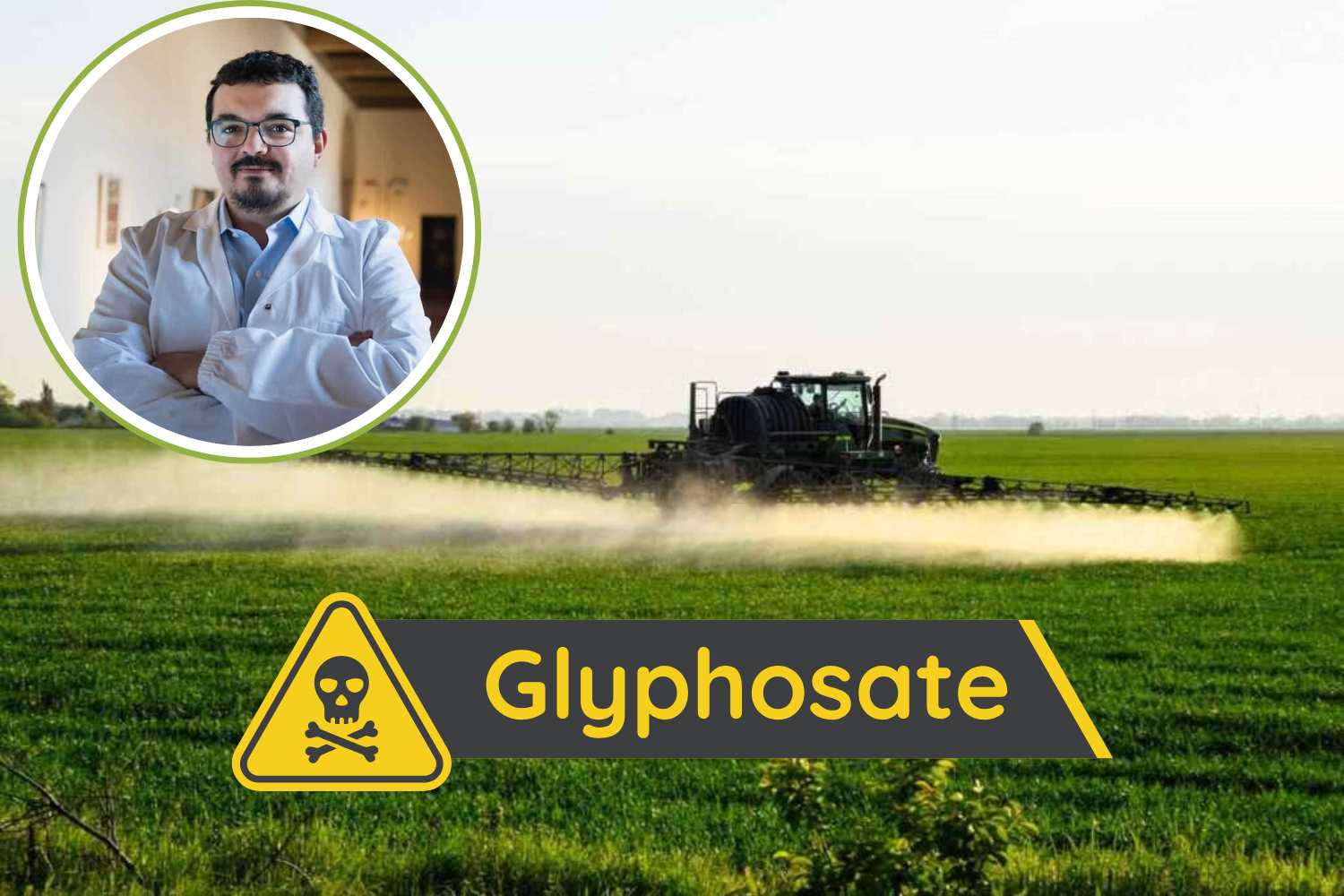
The name of Daniele Mandrioli is associated with one of the most discussed and potentially disruptive research in the field of environmental toxicology in recent years: the Global Glyphosate Study. We are talking about the largest independent study ever carried out on the effects of glyphosateactive ingredient of the famous Bayer-Monsanto RoundUp.
Now Mandrioli is no longer director of the Cesare Maltoni Research Center of the Ramazzini Institute in Bologna. The working relationship ended on 31 December 2025. And around this departure a controversy has ignited involving scientists, unions and observers from the world of independent research in Europe.
Why this study is so important
Glyphosate is the most widely used herbicide in the world. In December 2023, amid protests from environmentalists and researchers, the European Commission re-authorized its use until 2033. But the data published by Ramazzini’s team in June 2025 set the regulatory machine in motion again: the two main European authorities on food and chemical safety — EFSA and ECHA — acquired the results of the study with the intention of re-evaluating the risk classification of the herbicide.
: Glyphosate, twist: the EU analyzes the Ramazzini study which shows the link between the herbicide and tumors
If that classification were to change, glyphosate could end up being banned. A market worth around 2 billion dollars a year is therefore once again in the balance.
What happened to Mandrioli?
The news spread in January: Mandrioli no longer works at Ramazzini. The president of the cooperative, Loretta Masotti, specified that it was a company reorganization. According to the institutethis is the result of an agreed path, linked to internal governance reasons, without any relevance to scientific activity.
In fact, in the official communication from the Ramazzini Institute, following the controversy, we read:
The relationship with Dr. Daniele Mandrioli ended on 31 December 2025 following an agreed process, with assessments that pertain to governance structures and have no relevance to scientific activity or ongoing research projects.
However, the scientific community (and not only it) seems perplexed. Professor Philip Landrigan, director of Boston College’s Global Public Health Program and chair of the Ramazzini International Scientific Committee, wrote a public letter complaining that the Committee was not consulted and calling for Mandrioli’s reinstatement, expressing concern that the decision may have been influenced by external pressure.
But the institute is categorical: no pressure from the industry, no connection with glyphosate research. The Global Glyphosate Study continues without interruptions, carried out by internal teams. The study, they recall, was started in 2015 under the direction of Dr. Fiorella Belpoggi, who coordinated it for seven years before passing the baton to Mandrioli in 2022: it is therefore a collective project, not a personal study. The selection of a new director of the research area is underway, and the entry into the Board of Directors of Dr. Alessandro Nanni Costa – a high scientific profile figure – is described as a strengthening of the identity and mission of the institution.
The concerns of the scientific community
On the other hand, the Collegium Ramazzini – an independent academy made up of 180 doctors and scientists from 45 countries – has publicly requested that the institute and LegaCoop disclose the real reasons for the dismissal. The FP CGIL of Bologna also criticized the decision, speaking of a worrying situation linked to recent developments in the management structure. The timing is actually not trivial: Mandrioli is removed while EFSA and ECHA are still evaluating the data from his study.
However, there is no direct evidence of industry involvement in Ramazzini’s internal decisions. The institute strongly denies this and its history – over 50 years of independent research, financed by around 40,000 members and not by public or private corporate funds – speaks in its favour. But the timing and communication of the Ramazzini Institute following the outcry caused by the affair still leave some questions open, at least for a good portion of public opinion.
