
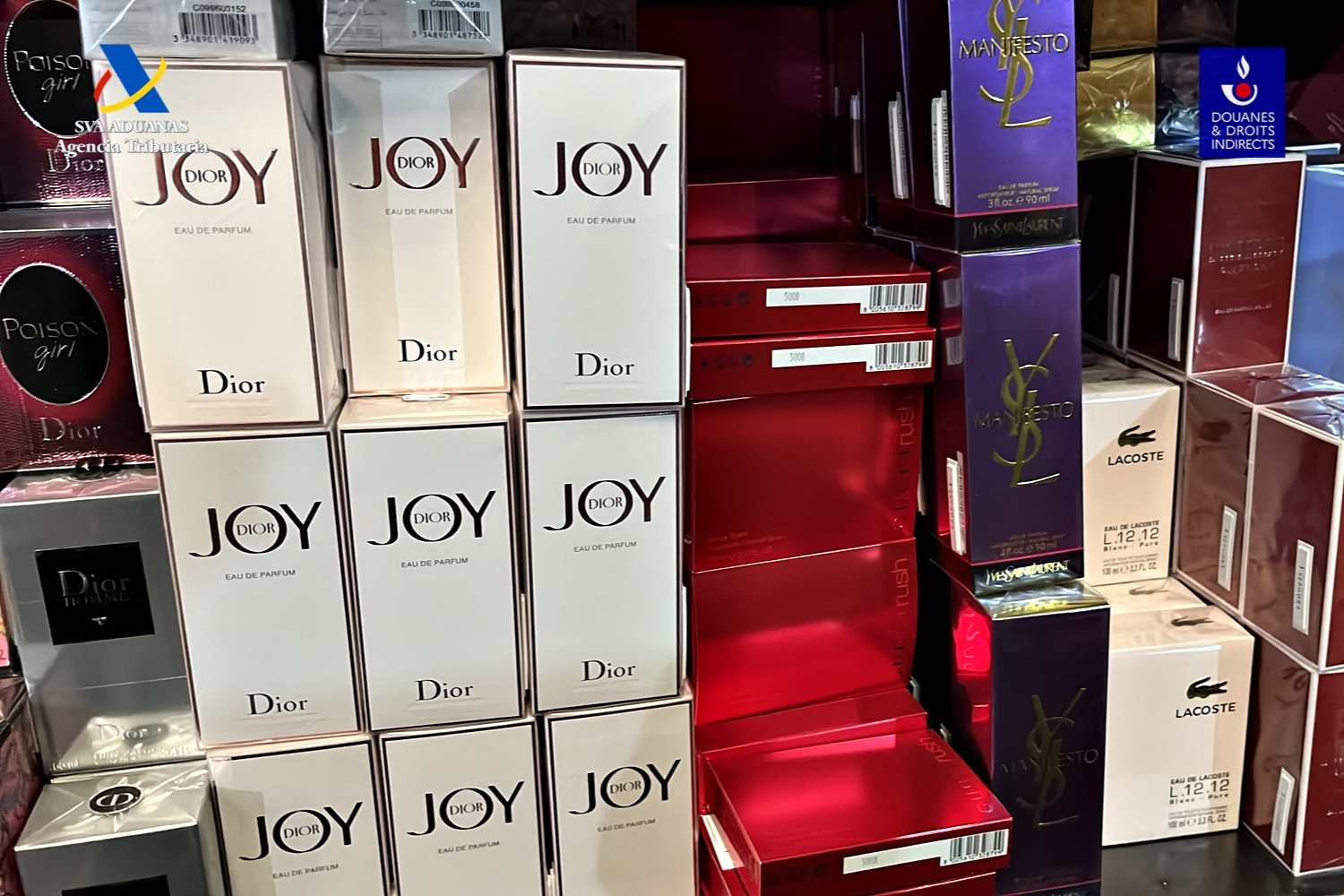
It looked like a normal industrial hub in the Catalan countryside, between Fogars de la Selva and Arbúcies, in the province of Girona. In reality, it was hiding what investigators define as the largest clandestine factory of counterfeit perfumes ever discovered in Europe.
Seven arrests, eleven suspects, 1.2 million bottles seized and enough materials to produce another 150,000 liters of fragrances, these are the numbers of the operation which ended a few days ago.
How the network worked
The criminal organization, based in Spain, had built a vertically integrated system: it did not simply stock and distribute fake perfumes, but produced them from start to finish, with a potential capacity of over four million bottles per year. Seven production lines, machinery for bottling, capping, packaging and even printing boxes with the logos of over 50 luxury brands.
The products were then loaded onto vans with Romanian license plates and transported by road to France and the rest of Europe, often hidden in boxes labeled “très fragile”.
The investigation
It all started in October 2025, thanks to the exchange of information between the DNRED — the investigative service of the French Customs — and the Catalan Customs Surveillance. An initial seizure of 2,600 bottles across the border triggered surveillance, which intensified in January 2026: on 27 January, vans intercepted in France were transporting almost 7,000 counterfeit bottles from Girona.
The following day, the raid on the warehouses revealed the true extent of the operation: nine people at work, seven of whom were undocumented and immediately arrested.
The final balance is impressive. Between the main warehouse in Fogars de la Selva, the Sant Feliu de Buixalleu warehouse and the Arbúcies storage centre, authorities recovered more than 1.2 million perfumes, hundreds of barrels of aromatic elixirs, 119 1,000-litre tanks of denatured alcohol and tonnes of packaging materials. The total value of the seized products – calculated at the market prices of the originals – exceeds 94 million euros.
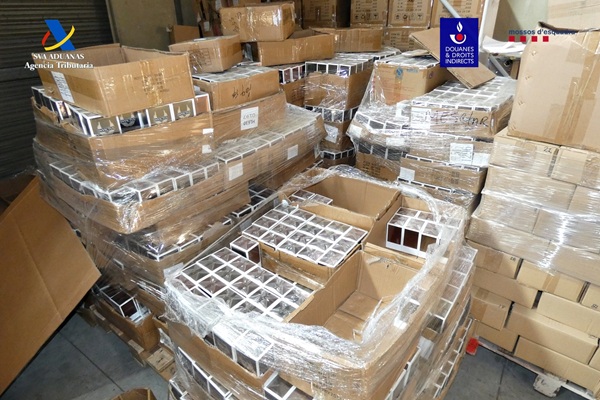
Beyond the numbers, there is an issue that directly affects consumers. Buying counterfeit products is not just a “rip-off”, fake perfumes can in fact contain untested chemical substances that are potentially harmful to your health. There is no control over the quality of the ingredients used in clandestine factories like this.
Then there is the environmental dimension: illicit operations of this scale completely escape any legislation on the disposal of chemical waste, management of solvents and alcoholic substances, with a potentially significant impact on the surrounding area.
The investigation is still open and, the authorities say, further arrests cannot be ruled out.
