
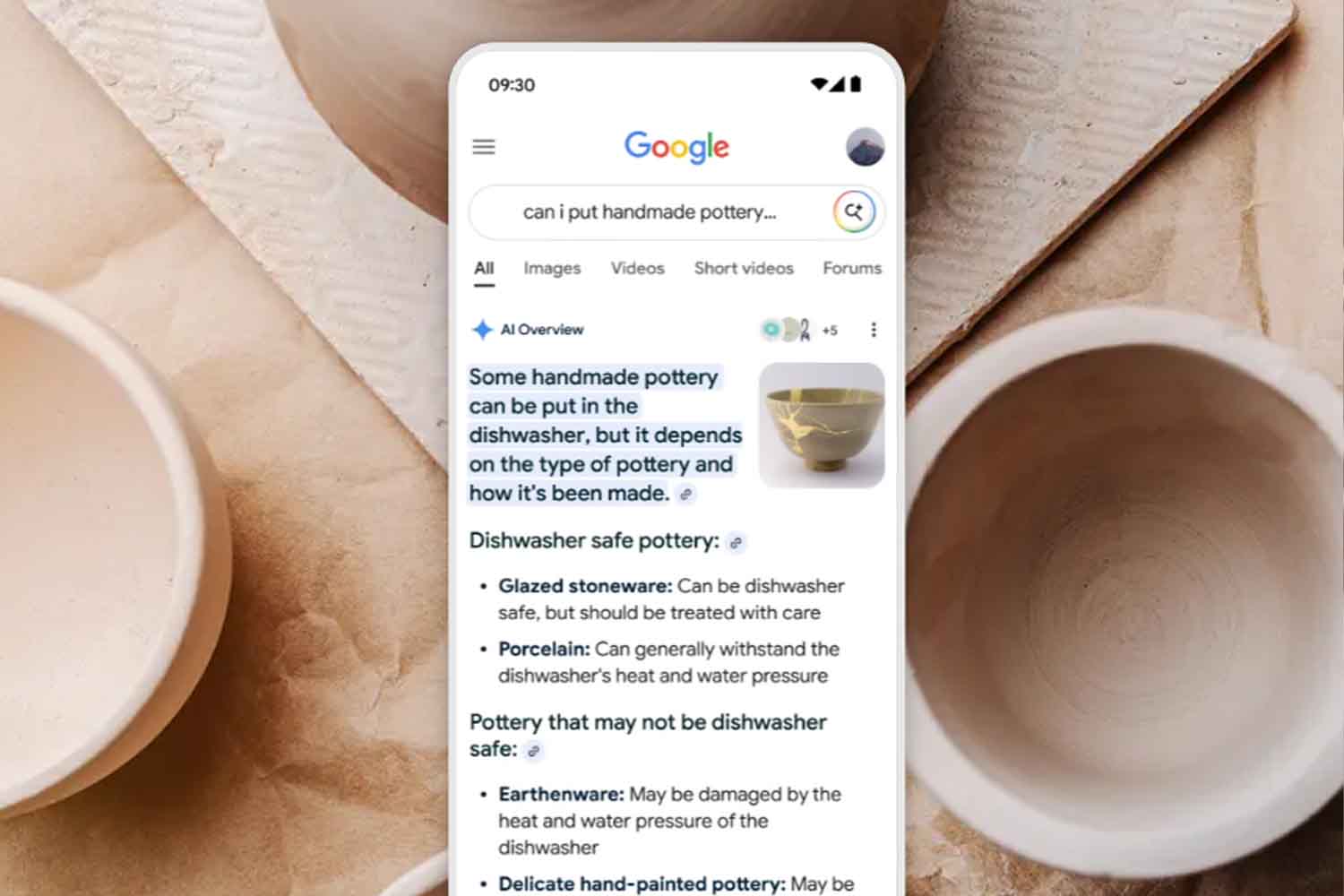
The AI Overview by Google they were designed to simplify our searches: a synthetic, immediate answer, built by artificial intelligence and shown at the top of the page. A convenience which, however, can hide a real risk. In some cases, in fact, that seemingly reliable box may contain Fake phone numbers used to scam users.
The point is not just the occasional error or inaccurate information. The problem is that when you search for official contacts of banks, companies or support services, the AI can offer incorrect contact details that appear legitimate. And at that point all it takes is one call to fall into the trap.
According to what was reported by the San Diego County Credit Union (SDFCU), which analyzed the phenomenon in detail, some Google searches can return fraudulent phone numbers within the AI Overview, leading users to contact scammers who believe they are speaking to official operators.
How AI Overview scams work
The mechanism is as simple as it is effective. The user searches online for the helpline number of a bank or service. The AI Overview appears at the top, which summarizes the information found on the web and, in some cases, includes a telephone number. That number, however, may not be the official one.
The dynamic described by the SDFCU is clear: once the call is made, the fraudster pretends to be a representative of the institution or company and attempts to obtain sensitive data, such as login credentials, security codes or payment information. All this by taking advantage of the trust that the user places in the fact of having found the number “on Google”.
The central issue lies in how artificial intelligence aggregates information. If a fake number is published on several online sites or pages, it can be intercepted and summarized in the AI-generated summary. The result is information that appears verified, but which in reality has not passed a specific check.
The most insidious aspect is precisely the psychological effect. The AI Overview box is placed in a privileged position, before the traditional results. This makes it, in the eyes of many users, more authoritative. And when you have an emergency – a blocked account, a suspicious card, a payment to verify – the temptation to call immediately is strong.
How to protect yourself
The first rule is simple, but fundamental: especially when it comes to financial institutions or sensitive services.
If you need to contact a bank or a company, it is always preferable to directly type the address of the official website into the browser or use an already known and verified channel. Retrieving the number from the official page drastically reduces the risk. It is also good practice to compare multiple sources and check that the delivery is consistent across different official channels. If in doubt, it is best to end the call and check again calmly.
AI Overviews cannot be disabled manually: if Google decides to show them for a certain search, the user can only scroll further and consult the traditional results. This makes it even more important to develop a critical approach towards the answers generated by artificial intelligence. AI can be a useful and powerful tool, but it does not replace human control. And when our personal data or our savings are at stake, an extra click is not a waste of time: it is a form of protection.
