
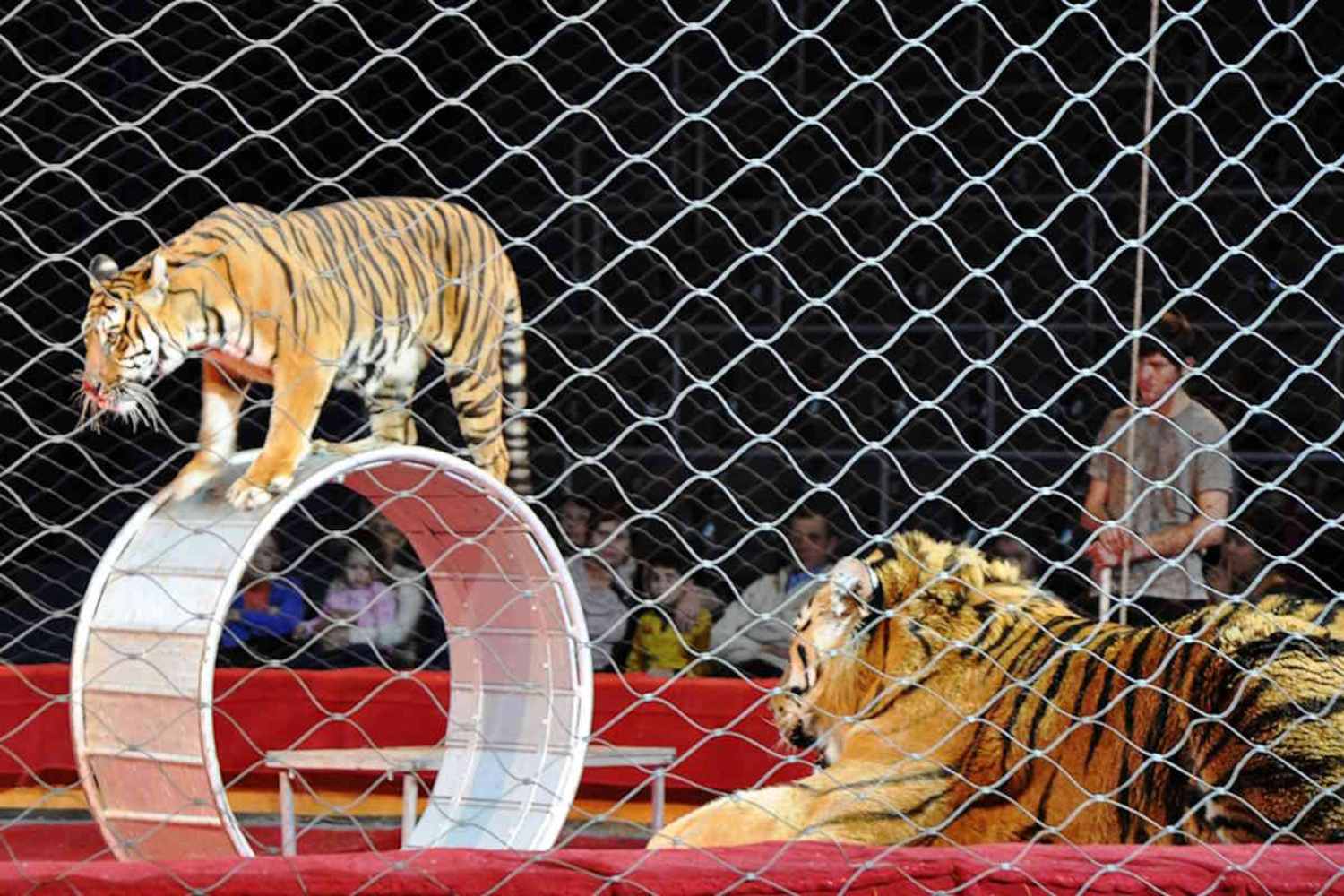
After over 35 years of performances, Stefano Nones Orfei and Brigitta Boccoli have announced a turning point destined to mark the history of the most famous circus family in Italy: no more animals in shows. A decision that comes late, but which nevertheless represents a clear change compared to a tradition built between tigers, elephants and cages illuminated by spotlights.
The announcement came at the end of one of Stefano’s last performances as a tamer. A symbolic gesture, almost a handover: closing the cage door forever. Not a denial of the past, they explain, but an adaptation to a changed sensitivity, to a cultural climate in which the relationship between man and animal is read with different eyes.
Social pressure is a model that no longer holds
In recent years the animal circus has ended up at the center of controversy, municipal bans, protests and awareness campaigns. The criticisms did not remain marginal: they affected the organization of the shows, promotion and public perception. In this context, continuing as before meant ignoring an obvious transformation.
Stefano Orfei claims that it was a difficult choice, claiming a deep emotional bond with tigers and elephants with whom he has worked closely for decades. However, that was no longer the right path to follow and the issue was no longer just personal. It’s collective. The issue of animal welfare has taken on central importance in the public debate and the world of circus entertainment can no longer stand by and watch.
Finally we are thinking about animal welfare
The name Moira Orfei remains inextricably linked to the imagery of the traditional circus: feathers, sequins and large animals on the dance floor. But today that image finally changes shape. The spouses speak of respect for family history, but also of the need to look forward. An awareness that comes after years of resistance and tension, including personal events also marked by accidents and risks on the track.
It is a transformation that many have been asking for for some time and which could have come much sooner, but we look to the future and to the end of this harmful practice in the most famous circus in Italy, recognizing that times have changed means taking on a responsibility. And because the circus, to survive, must be able to evolve by finally looking at the welfare of the animals. We hope that all other circuses will do the same.
You might also be interested in:
