
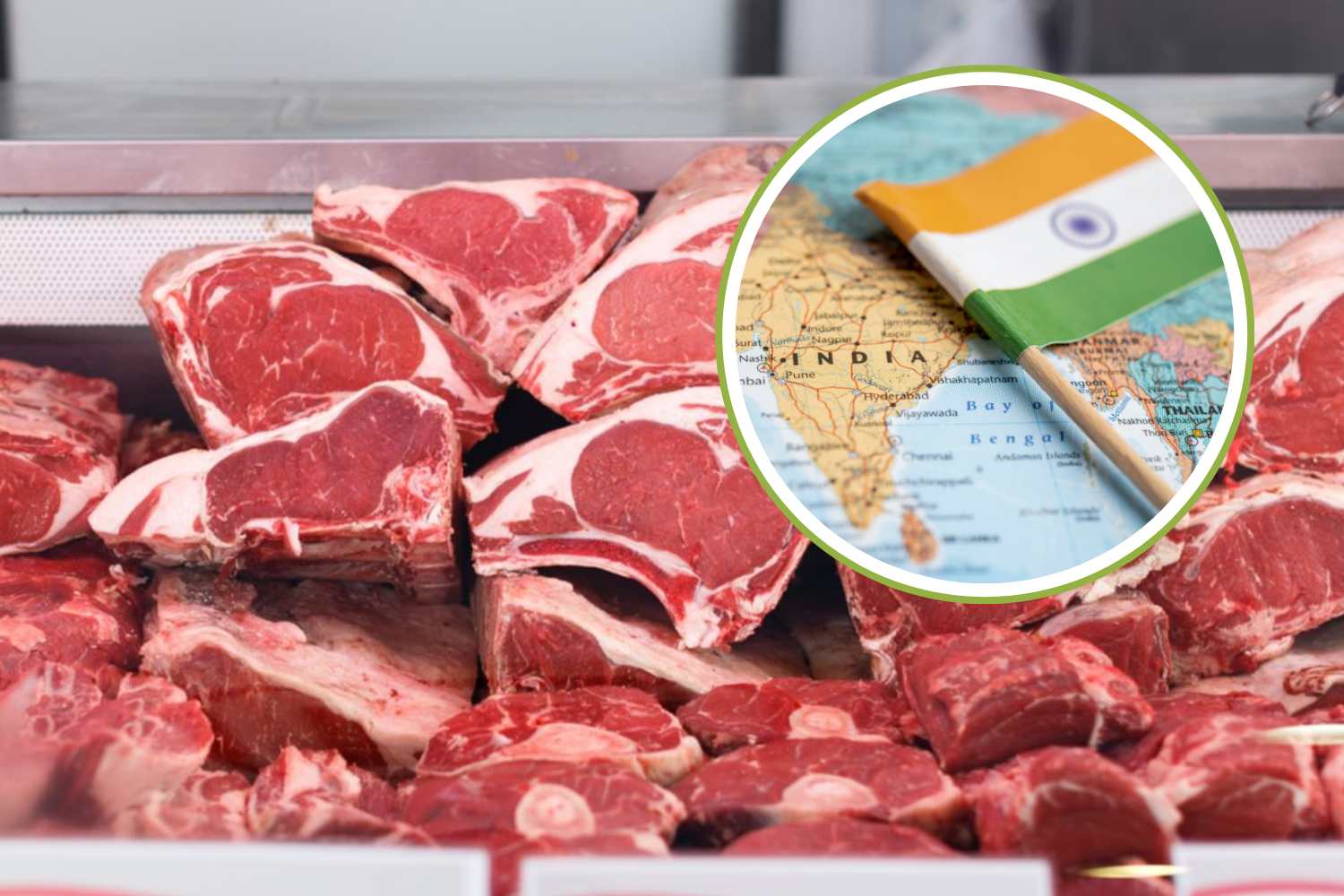
Palitana, in the Bhavnagar district of India, made world history by becoming the first city to ban the sale and consumption of meat in 2024. A decision that went around the globe, transforming the city into a symbol of non-violence and respect for all living beings.
The measure prohibits not only the sale of meat, but also the slaughter of animals within city limits. Fish, eggs and other animal products fall under the same ban. The measure came after months of peaceful protests by around 200 Jain monks, who called for the closure of over 250 butchers’ shops, underlining the importance of the ethical and religious values of the Jain community, for which ahimsa, non-violence, is central.
A sacred city that reflects its faith
Palitana is not just any city. Known as the “Jain Temple Town”, it is surrounded by the Shatrunjaya hills and is home to over 800 temples, including the famous Adinath Temple, a destination for thousands of pilgrims and tourists every year. For residents and devotees, the meat ban represents an alignment between daily life and the city’s spiritual principles.
The move has already affected other cities in Gujarat. Rajkot, Vadodara, Junagadh and Ahmedabad have introduced similar rules, restricting the preparation and sale of non-vegetarian food in public. Supporters point out that such measures not only respect cultural sensitivities but also reduce traffic problems caused by crowded butcher shops in city centres.
The social impact
Not everyone welcomed the ban. Meat sellers and those who worked in butchers have undergone drastic changes: some businesses have closed, others have modified the products offered to survive, but local authorities have decided to enforce the law, consolidating Palitana as the first completely meat-free city in the world.
And the whole world looks with curiosity and interest at this bold choice: a model of urban compassion or an extreme measure? Palitana’s experiment could become an example and inspire other cities to reflect on ethics, the environment and animal welfare, transforming a religious tradition into a global cultural revolution.
You might also be interested in:
