
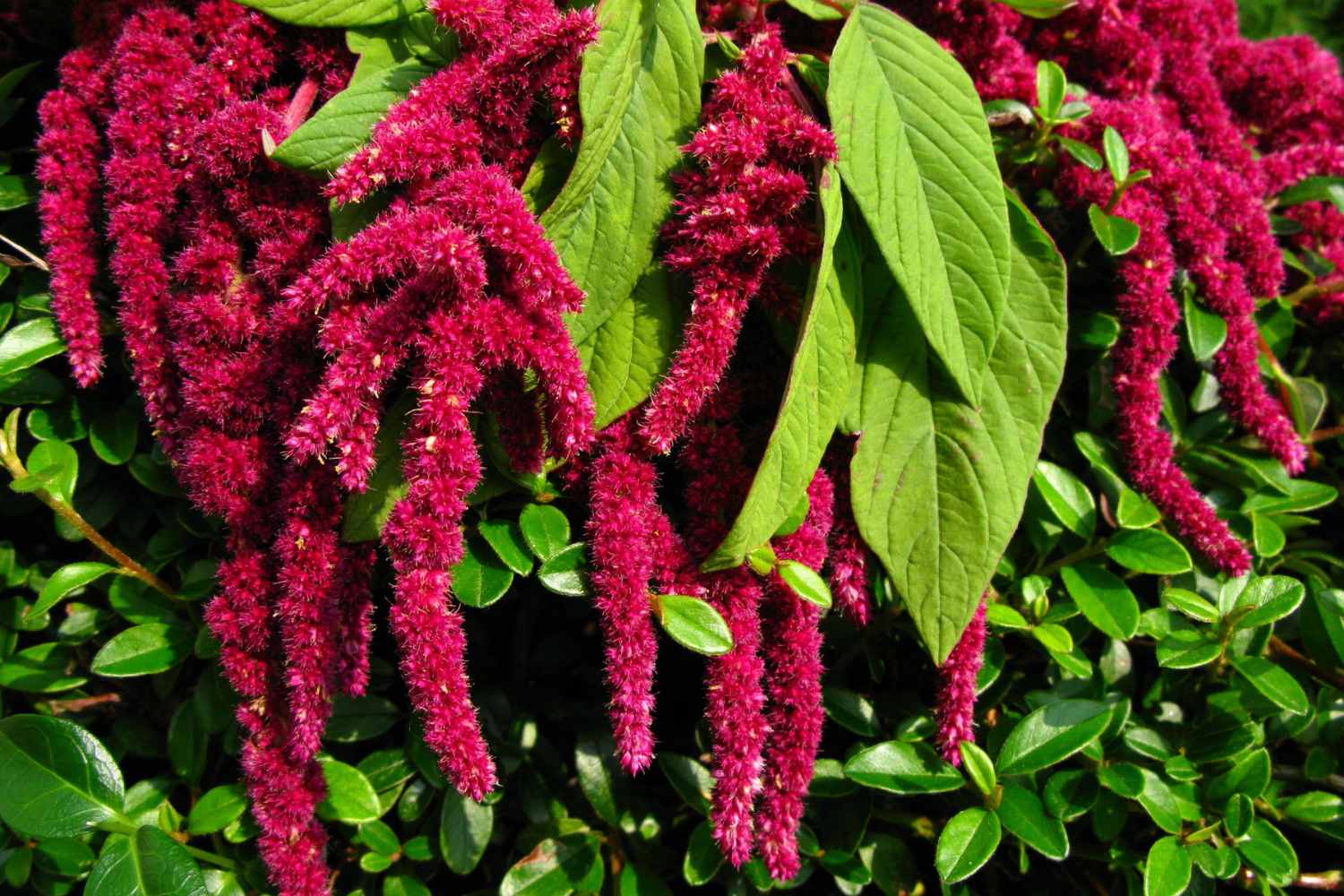
Praised as one of the most nutritionally interesting carbohydrates, amaranth – a plant apparently from the family of Amaranthaceae – is returning to the center of attention as a food to be rediscovered, especially in cuisines that are attentive to health and variety in the diet. It is not a cereal in the strict sense, but rather a pseudocereal, technically a seed, a characteristic that does not reduce its value, but rather amplifies its nutritional profile. Compared to well-established pillars such as brown rice and quinoa, amaranth shows an extraordinary concentration of nutrients, which explains why it is often defined as one of the most complete foods.
From pre-Columbian civilizations to modern tables
Its history has its roots in distant times, given that amaranth was already cultivated by pre-Columbian civilizations, in particular by the Aztecs, who considered it a fundamental resource for daily nutrition thanks to its ability to provide energy and nutrients in significant quantities. A reputation which, centuries later, is also confirmed in modern nutritional analyses. A standard portion of approximately 100 grams provides the daily requirement of manganese and covers almost half of the recommended daily dose of iron, two micronutrients central to metabolism, bone health and the correct functioning of the immune system.
Nutritional values compared with rice and quinoa
From a caloric point of view, amaranth is in a similar range to other whole grains. The same serving provides approximately 100 calories, with approximately 3.6 grams of protein and 2 grams of fiber. Numbers that become more significant when compared: brown rice, with the same weight, provides less protein and fibre, while quinoa is closer to the values of amaranth, although remaining slightly lower in some micronutrients.
Another distinctive element concerns the protein quality: amaranth contains all nine essential amino acids, a rare characteristic in the plant world, which makes it particularly interesting for those who follow a vegetarian or predominantly plant-based diet.
Gluten free and rich in essential minerals
The absence of gluten represents a further strong point, especially for people with celiac disease or gluten sensitivity. Added to this is a noteworthy mineral composition: in addition to manganese, amaranth provides approximately 42 percent of the daily value of iron, a very important element for the transport of oxygen in the blood and for preventing states of fatigue linked to nutritional deficiencies.
What the studies say about cholesterol
Over the years, scientific research has also begun to investigate the effects of amaranth on some health parameters. Experimental studies have suggested a potential role in cholesterol control. A 2003 study conducted on hamsters fed amaranth oil observed a reduction in total cholesterol by 15 percent and in LDL cholesterol by 22 percent. Similar results emerged from another study in which amaranth was introduced into the diet of chickens, with a decrease in cholesterol levels of up to 30 percent.
Fibre, satiety and weight control
The reasons for this effect have not been definitively clarified, but some hypotheses point to the ability of amaranth to bind to cholesterol at the intestinal level, limiting its absorption. Fiber content could also play a significant role. A large 2023 study, which followed 4,477 people, found that higher fiber intake was associated with a lower risk of weight gain and body fat accumulation. In this context, amaranth is a food capable of promoting a sense of satiety and more conscious management of portions.
The anti-inflammatory potential of amaranth
There is also no lack of interest in its anti-inflammatory potential. Amaranth contains a high quantity of phenolic acid, an antioxidant compound which, according to several researchers, helps reduce inflammatory processes in the body and offers additional protection against chronic pathologies, including cardiovascular diseases.
A versatile food, to be included in a varied diet
On a practical level, amaranth stands out for its great versatility. It can be cooked similarly to rice or quinoa, used as a base for hot dishes, added to soups and salads, or stir-fried with vegetables. In health food shops and large retailers, the price fluctuates between 3 and 5 euros for a pack of around 500 grams, a figure that places it in an accessible range compared to other foods considered particularly nutritious.
Because variety remains the best choice
Despite such a rich nutritional profile, experts underline the importance of not transforming amaranth into the only protagonist of the pantry. The real value emerges when it is included in a varied diet, which alternates whole grains and different pseudocereals. Rotating between amaranth, brown rice, quinoa, oats and spelled allows you to benefit from a wider range of nutrients, supports intestinal health and makes your diet more balanced and sustainable over time.
