
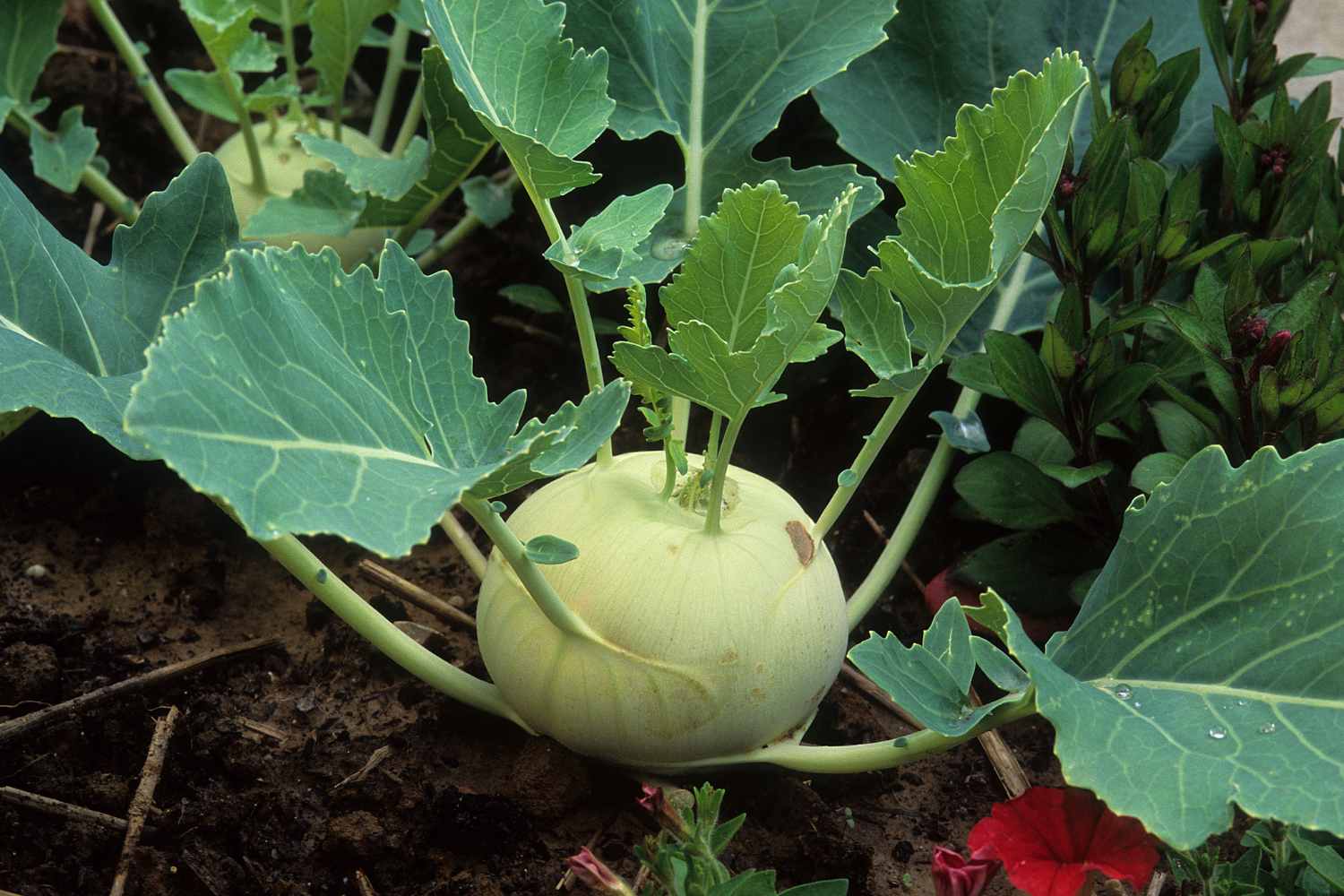
Kohlrabi remains one of the least known vegetables on Italian counters, despite its excellent versatility and nutritional profile that deserve further consideration. Halfway between cabbage and turnip, this round-shaped bulb grows above the ground and offers crunchy pulp with a delicate, vaguely sweetish flavour, reminiscent of radish but without any bitter notes.
How to grow it in the garden
The cultivation of kohlrabi is accessible even to the less experienced. Cultivar of Brassica oleracea, the common cabbage, therefore belonging to the cabbage family Brassicaceaekohlrabi prefers temperate climates: it resists the cold well but does not tolerate excessive heat. Sowing takes place between February and April for the summer harvest, or in September for the autumn harvest. Those who prefer transplanting wait about six weeks after sowing in containers.
The ideal soil must be soft and well-drained, as water stagnation compromises the health of the plant. On clayey soils it is advisable to hoe often to keep the soil loose, thus encouraging the swelling of the bulb. Seedlings require at least 30-40 cm distance from each other. During growth, regular but moderate watering and some weeding are enough to keep weeds away. Mulching reduces work and preserves moisture.
Harvesting takes place when the bulb reaches the size of an orange, 60-80 days after transplanting. Those who harvest early obtain a more tender vegetable, ideal for raw consumption. The leaves are edible and rich in mineral salts: it is better not to waste them.
Nutritional properties not to be underestimated
Kohlrabi boasts a negligible caloric intake (around 27 kcal per 100 grams) but makes up for it with a surprising nutritional value. The vitamin C content stands out: 100 grams provide up to 62 mg, exceeding oranges. To preserve this thermolabile vitamin, it is best to consume the bulb raw or briefly cooked.
Among the minerals, potassium dominates, a precious ally for the heart and blood pressure, followed by calcium, phosphorus, iron and magnesium. Fibers promote intestinal transit and satiety, making it suitable for low-calorie diets. The antioxidants present, especially in purple varieties rich in anthocyanins, help protect cells from oxidative stress.
Those suffering from thyroid dysfunction should consume cruciferous vegetables in moderation due to goitrogens, compounds that interfere with thyroid hormones, although, it should be underlined, to create problems you would have to consume an enormous quantity of them.
Kohlrabi: here are 5 recipes to enhance it
Here’s our culinary advice on kohlrabi!
Crispy salad with orange and walnuts
Ingredients (for 4 people):
Preparation:
Peel the kohlrabi and slice it thinly with the mandolin, then add the radicchio into strips, the walnut kernels, the apple pieces and the orange segments. Season with extra virgin olive oil, apple cider vinegar, salt and, if desired, gorgonzola cubes. Mix gently and let rest for a few minutes.
Velvety soup with black cabbage and ginger
Ingredients (for 4 people):
Preparation:
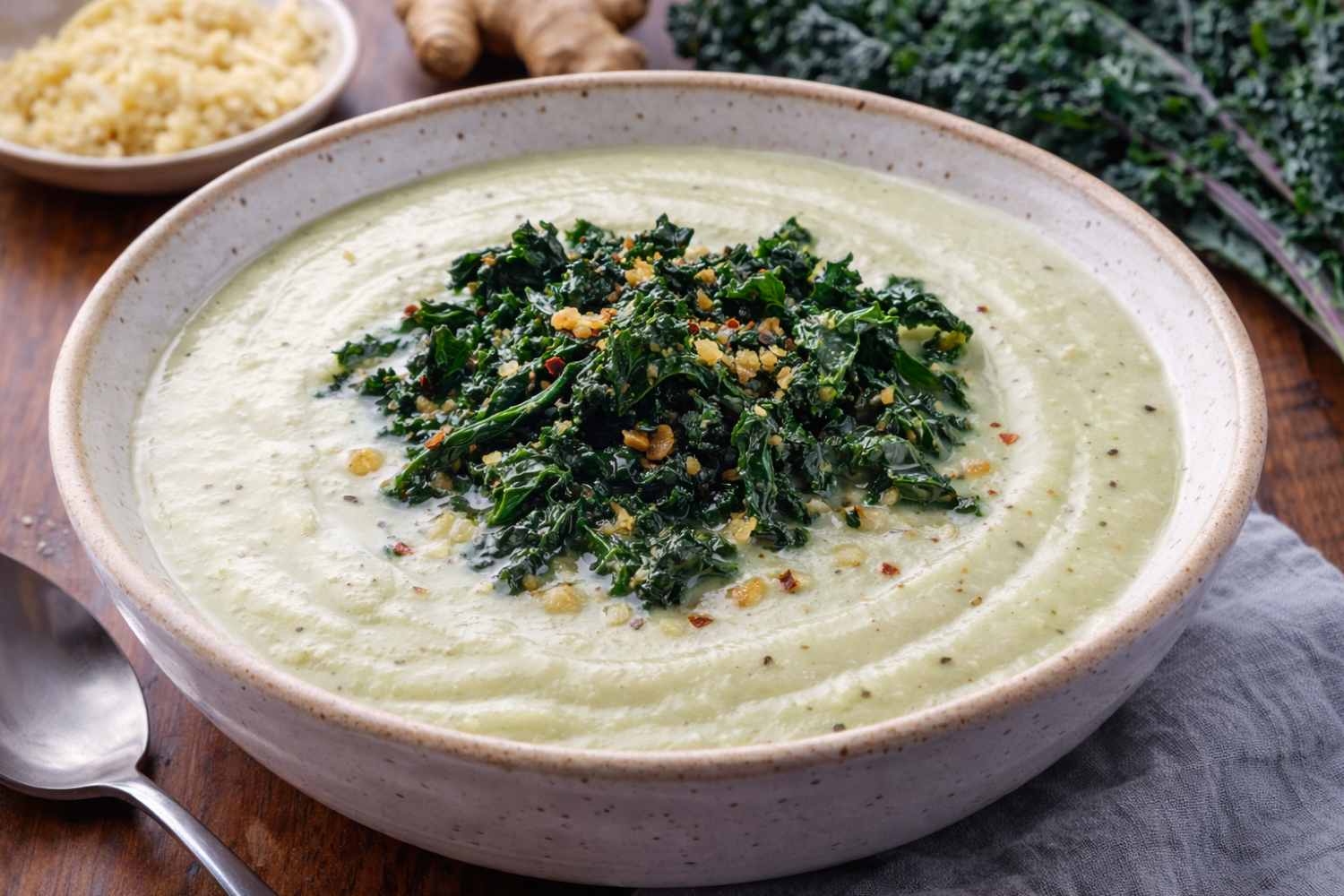
Fry the chopped onion with oil and chilli pepper, add the chopped kohlrabi and cover with water. Add a teaspoon of vegetable broth and cook until soft, then blend everything. Separately, brown the black cabbage and ginger leaves in a pan until crispy, then use them as a garnish for the cream soup.
Baked medallions with scamorza

Ingredients (for 4 people):
Preparation:
Cut the kohlrabi into slices about 8 mm thick and blanch them for 10 minutes, then drain and let cool. Pair each slice with a thin slice of scamorza, dip in flour, then in beaten egg and finally in breadcrumbs mixed with parmesan and flaked almonds. Place everything on a baking tray, drizzle with oil and cook at 200°C for 20-25 minutes.
Soup with potatoes and peas
Ingredients (for 4 people):
Preparation:
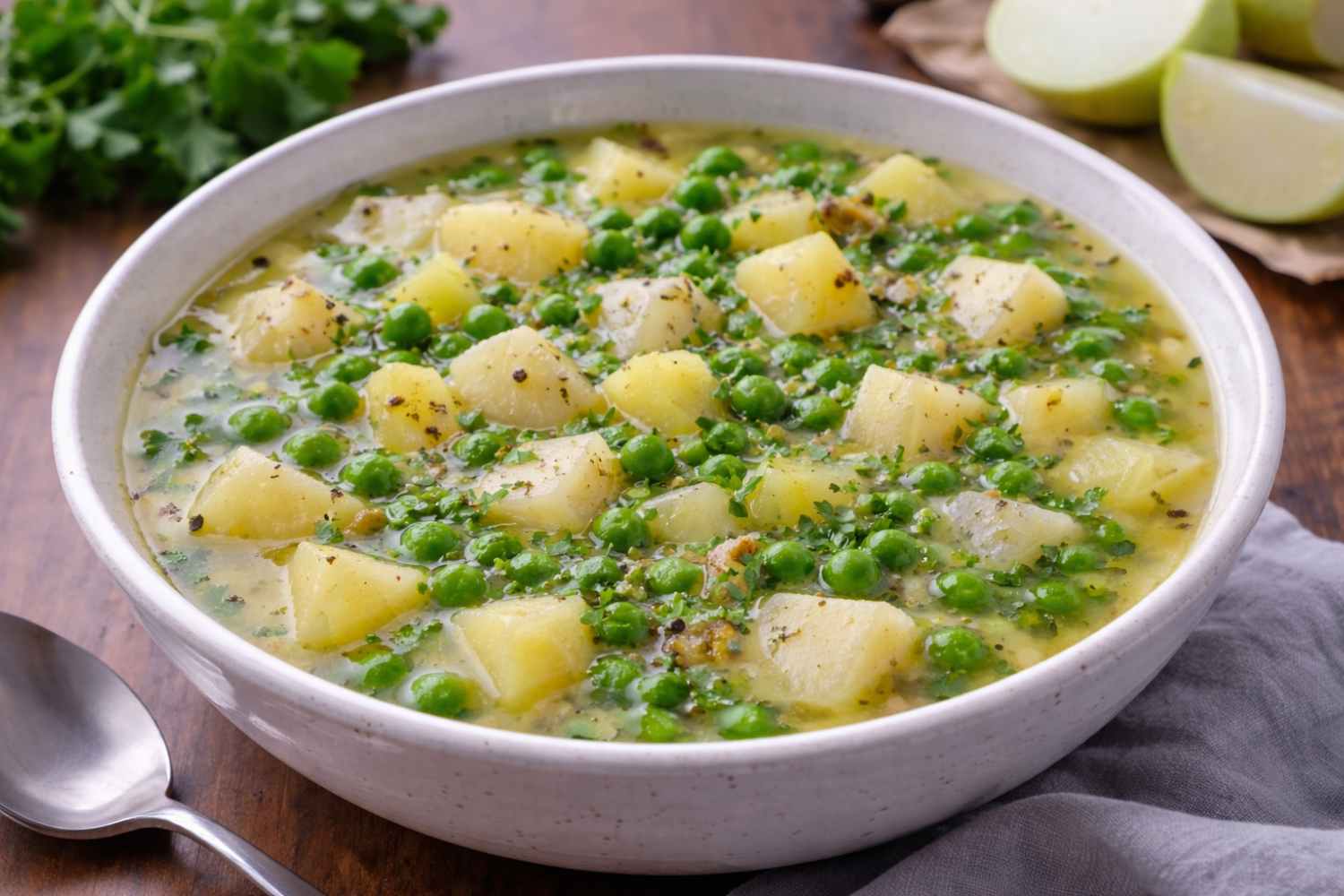
Sauté the onion or leek in oil, add kohlrabi and diced potatoes, mix and blend. Add the thyme leaves, cover with vegetable broth and cook for 10 minutes. Add peas and bulgur, and continue cooking for another 25 minutes. At the end of cooking, stir in grated parmesan and a drizzle of raw oil.
Pan-fried kohlrabi with leaves
Ingredients (for 4 people):
Preparation:
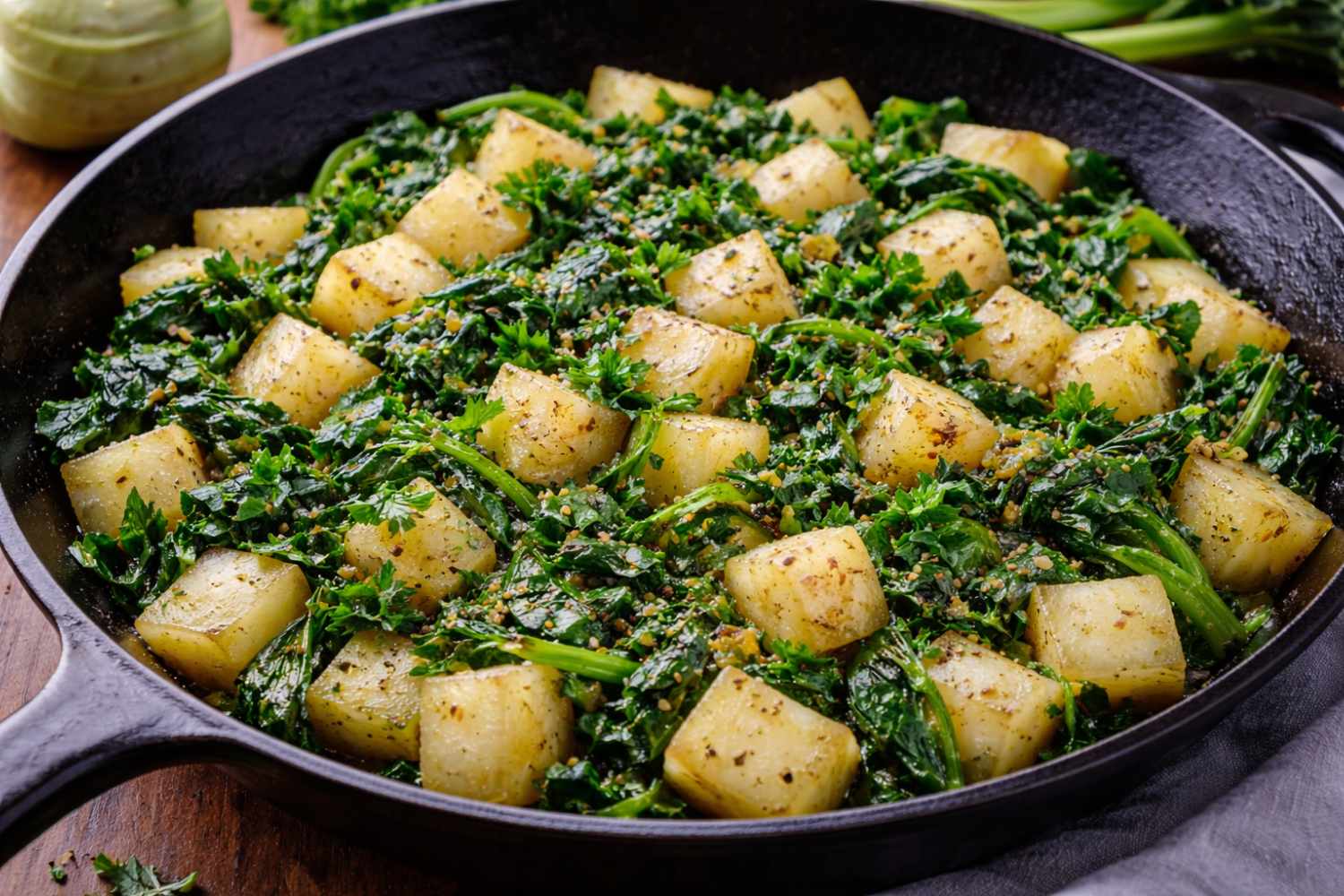
Wash the leaves carefully, cut them into pieces and sauté them in a pan with chopped garlic, oil and water for about 10 minutes. Separately, peel and slice the bulb, cook it in a pan with oil, poached garlic, salt and a little water for about 20 minutes, finally serve together, with a sprinkling of black pepper.
Enjoy your meal!
