
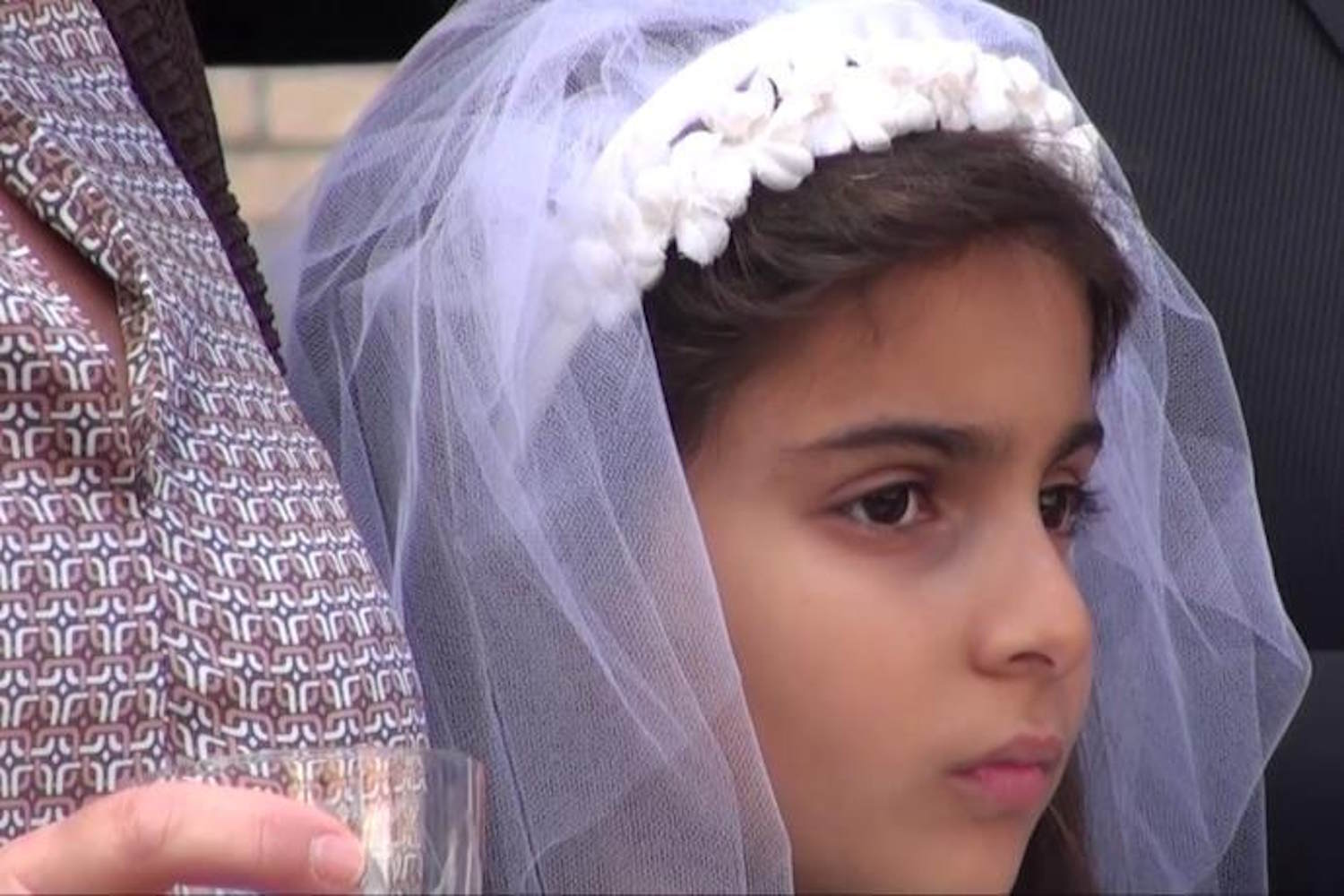
In many parts of the world, childhood ends too early. In Egypt, thousands of girls and adolescents are pushed into early marriage, often as a result of poverty, lack of education and a system that fails to protect them enough.
To change this reality, the National Council for Children and Motherhood (NCCM) has launched a new project that aims to prevent child marriage by offering concrete alternatives to the most vulnerable young people.
Today in Egypt, although marriage under 18 cannot be officially registered, there is still no law that explicitly makes it a crime. A regulatory void that inevitably makes it more difficult to protect minors. For this reason, the NCCM is collaborating with the Ministry of Justice and religious institutions, with the aim of strengthening legislation and guaranteeing real, not just formal, protection.
But prevention doesn’t just come from laws: it also comes from opportunities. In collaboration with UNFPA, the United Nations Population Fund, the project will offer professional training courses designed for the labor market, from traditional professions to digital skills. The idea is simple but powerful: giving boys and especially girls the tools to build an independent future, without being forced to make choices imposed by necessity.
Child marriage is not just a tradition: it is a violation of children’s rights, often leading to school dropout, exposure to gender-based violence and increased health risks, including pregnancy complications and maternal mortality. It interrupts paths of growth and possibilities, leaving profound marks on the lives of entire generations.
This is why the project looks further afield. Among the objectives there are also the reduction of school dropouts, the fight against child labor and the strengthening of awareness in communities, through NGOs, protection units and a national emergency telephone line, active to intervene quickly in cases at risk.
The program will start as a pilot project, and will then be progressively extended to the different regions of the country, adapting to local needs. Because every little girl who stays in school, every teenager who acquires skills and independence, is a story that changes direction. And, step by step, the fate of an entire society can also change.
