
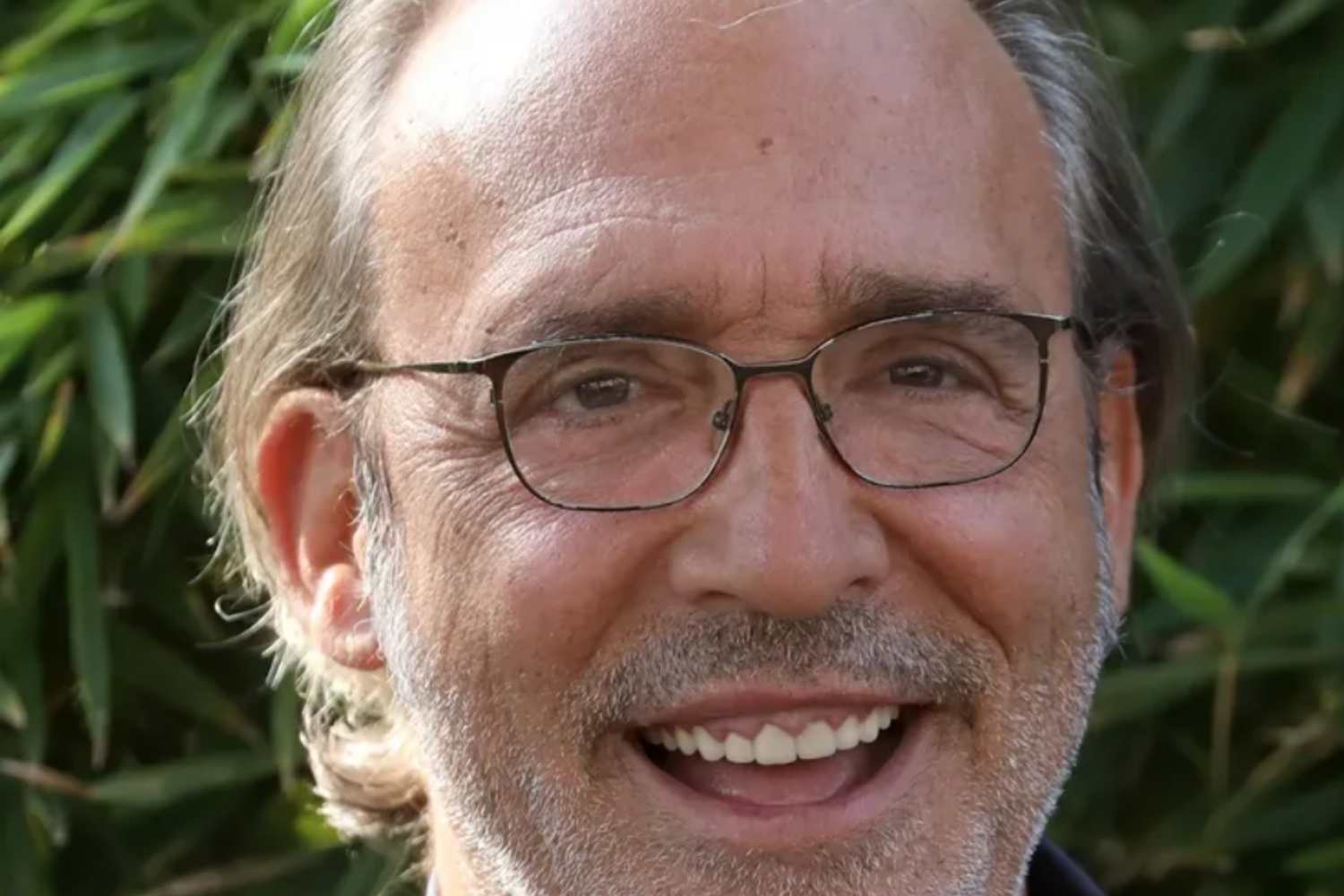
The voice is not just a work tool, but one sound signature which immediately identifies who owns it. Because of this Luca Wardamong the most famous voice actors on the Italian scene, has decided to take a formal and strategic step: register the sound trademark of your voice.
The initiative was born in a context in which the technologies of artificial intelligence I am able to replicate timbres, inflections and nuances with increasingly convincing precision. Advanced speech synthesis now allows you to recreate digitally famous voices, exposing professionals and artists to concrete risks of unauthorized use and economic exploitation.
The anti-AI strategy
The filing was handled by the law firm MPMLegal, through Professor Marco Mastracci. The objective is clear: to strengthen the tools legal protection against illegitimate voice copies. The sound trademark, in fact, comes alongside the traditional rights linked toimage and personalityoffering further and more specific protection in the digital context.
It’s not just about defending a name or a face, but about protect a distinctive element and recognizable as the sound of the voice. Lawyer Mastracci explains:
Voice is an essential component of the identity of those who work in audio and acting. The sound mark allows us to intervene decisively against unauthorized uses, especially in the digital context.
A precedent that paves the way for other professionals
With this move, Luca Ward places himself in one pioneering position in Italy. His gesture represents a possibility defense model for actors, voice actors, speakers and audio professionals who see AI as a powerful but potentially invasive technology.
The issue is not just about notoriety. The growing diffusion of tools capable of generating realistic vocal copies makes the line between digital creation and abuse is increasingly thin. In this scenario, the sound mark becomes a concrete means to intervene in case of improper exploitation.
Ward’s decision marks a symbolic and practical step at the same time: recognizing the voice as professional assets to be protected. In an era in which artificial intelligence can imitate almost everything, the protection of identity also involves new and targeted legal tools, capable of adapting to digital challenges.
