
In an increasingly congested urban landscape, the “natural wellbeing” and proximity delivery sector finds itself at a crossroads: continue with traditional logistics models or embrace a revolution that puts sustainability and user protection at the centre.
The “Last Mile” logistics revolution
One of the main problems of modern metropolises is the environmental impact of traditional express couriers. The challenge won by the most innovative companies, such as the Italian startup JustMary, lies in the widespread optimization of last mile logistics. Through the integration of artificial intelligence systems for route optimization and the strategic use of proximity lockers, it is possible to drastically reduce CO2 emissions linked to failed delivery attempts.
Choosing a discreet and fast delivery model not only means guaranteeing privacy, but also decongesting urban traffic, preferring a distribution network that enhances intelligent collection points rather than the continuous movement of heavy vehicles in limited traffic areas.
Natural wellbeing: beyond the taboo, towards certified quality
The natural wellness market in Italy, which ranges from CBD to phytotherapeutic integration, is finally emerging from a gray area to enter that of total transparency. The sustainability of a brand today is also measured by the purity of the supply chain.
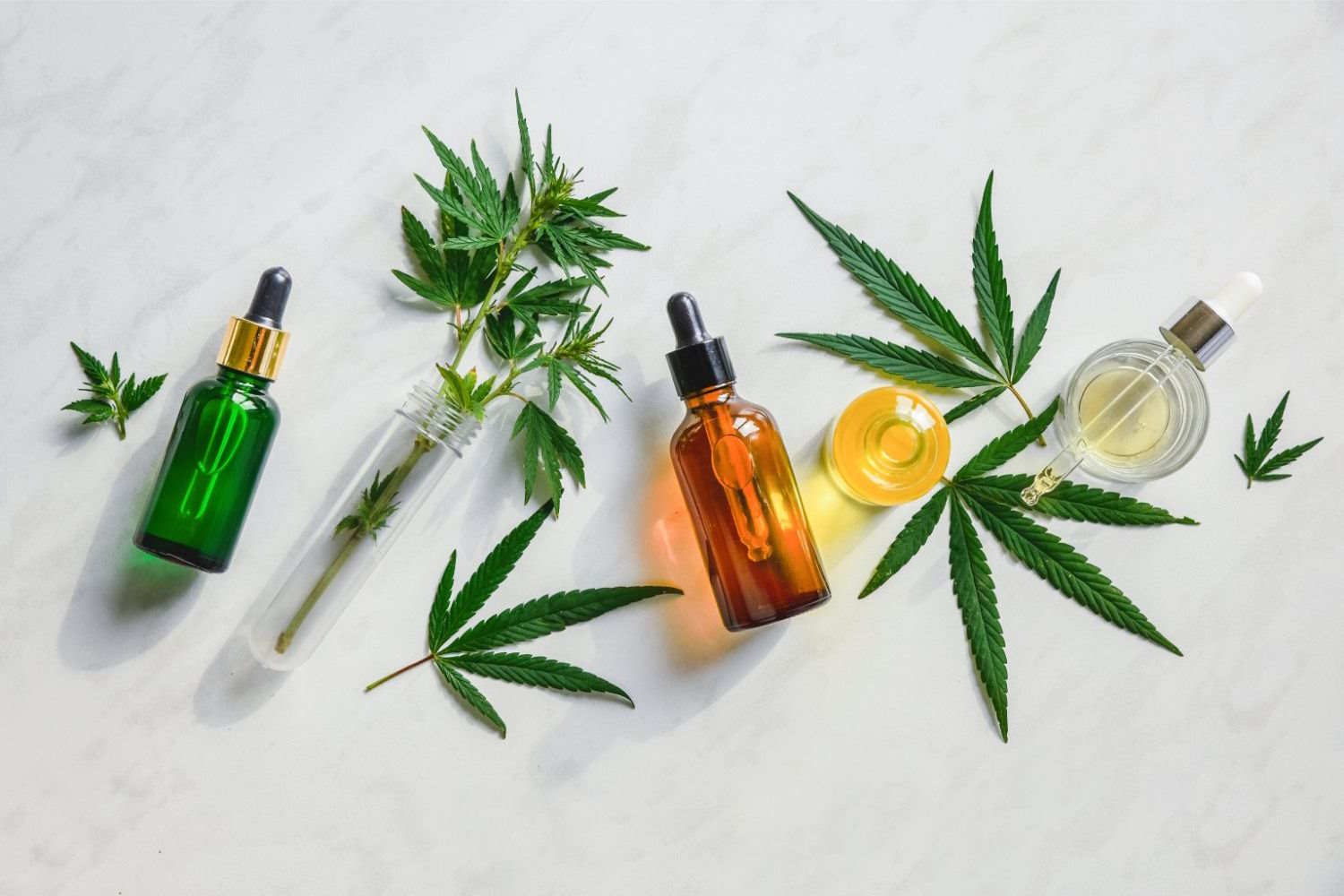
Supporting the industrial hemp economy, for example, means supporting a crop which is in itself a powerful tool for phyto-purification of soils. The leading companies in the sector are investing in eco-sustainable packaging and production processes that reduce the use of plastic to a minimum, responding to an increasingly aware market demand: the “green” consumer is not just looking for the benefit of the product, but wants the certainty that his purchase has not weighed on the ecosystem.
Privacy and digitalisation: the value of discretion
In the data era, sustainability is also social and ethical. Ensuring total consumer privacy has become a fundamental pillar. The digitalisation of services today allows the entire purchasing cycle to be managed anonymously and securely, breaking down the barriers of prejudice and allowing anyone to access solutions for natural well-being with maximum serenity.
The JustMary platform, for example, has made speed and confidentiality its trademark, demonstrating that it is possible to combine a premium service with an ethical vision of e-commerce.
Towards a zero impact 2026
The future of delivery in Italy will inevitably pass through greater integration between technology and the environment. The companies that survive and scale the market will not be those that deliver the most products, but those that can do so with the least impact possible. The challenge for the next two years is clear: transform every delivery into an act of efficiency, reducing waste and promoting a lifestyle that is, finally, in balance between nature and digital progress.
