
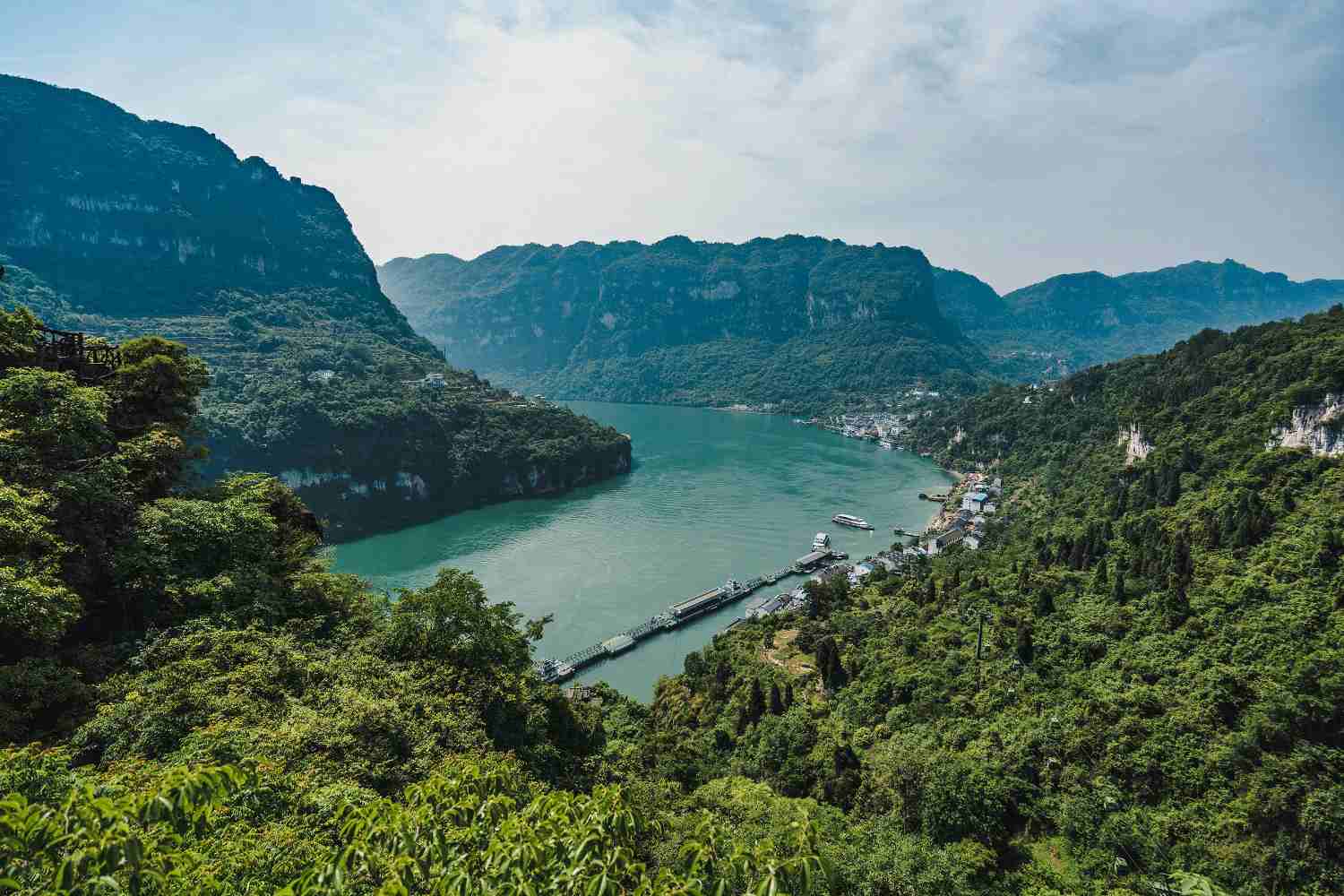
The Yangtze (or Yangtze River), the third longest river in the world and the heart of China’s fresh waters, is experiencing a true ecological renaissance. Halfway through the decade-long fishing ban, a study reveals a threefold increase in fish biomass and an increase in larger species, demonstrating the success of environmental recovery measures.
For decades, the river has been compromised by dams, industrial pollution, overfishing and riverbank exploitation, causing enormous losses to biodiversity, including the extinction of the freshwater dolphin Baiji. Today, thanks to a $2.7 billion plan, the river is regaining balance and life.
Concrete programs for change
The Chinese strategy included the blocking of 110,000 boats, economic compensation for fishermen, blocking mining activities along the banks and interventions to improve water quality. These actions have made it possible to restore riparian habitats and reduce naval traffic, favoring the recovery of fish and aquatic mammals, such as the thin-tongued sole (Cynoglossus gracilis) and the Yangtze sturgeon (Acipenser dabryanus), an endangered species.
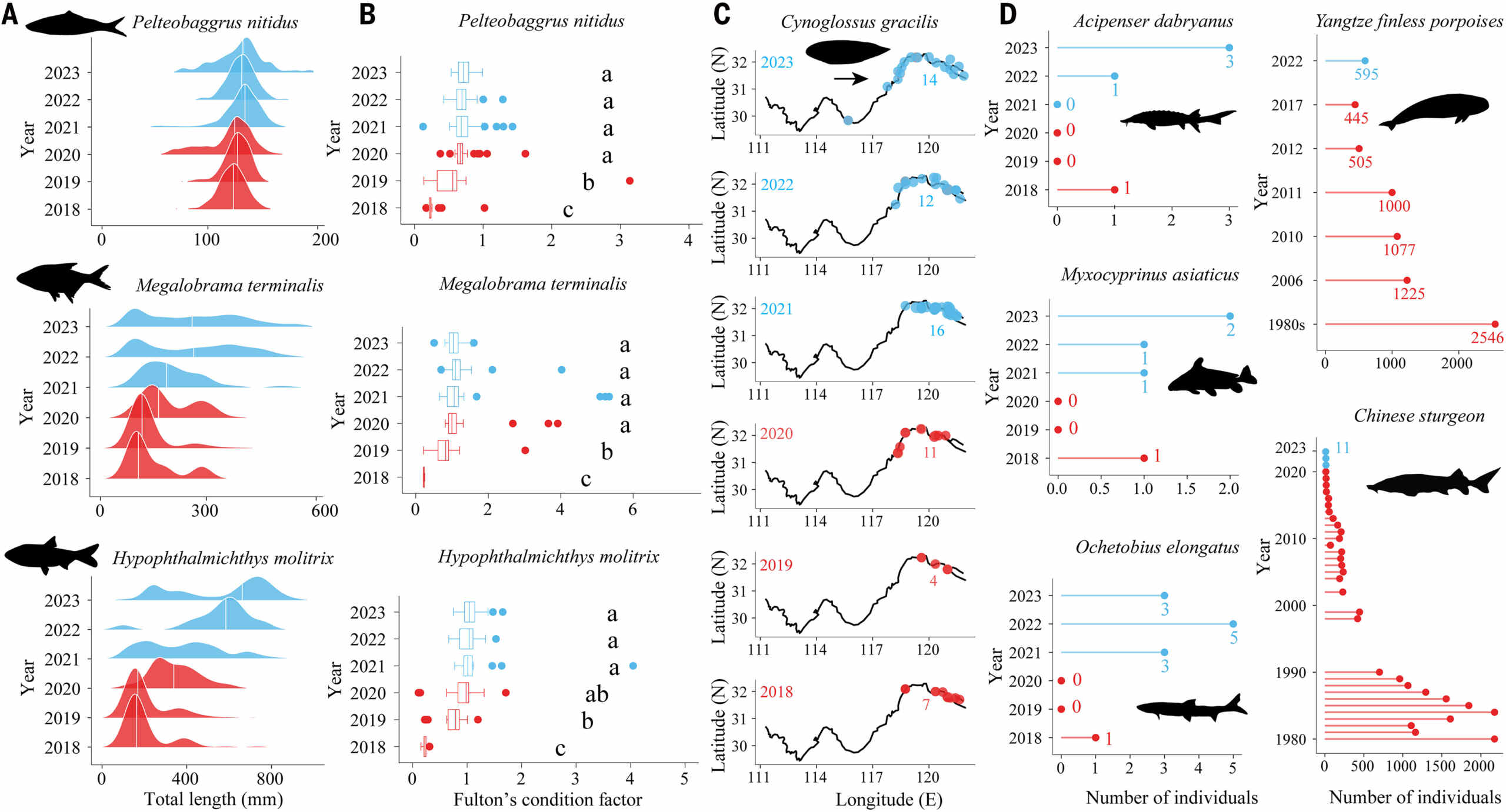
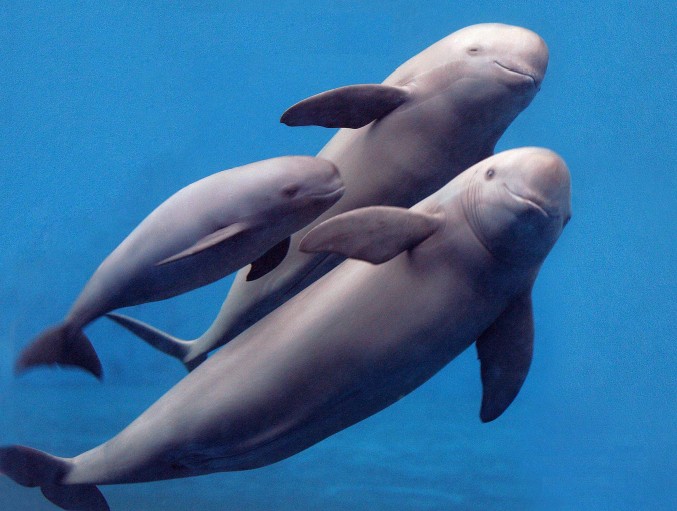
According to Chen Yushun, of the Institute of Hydrobiology of the Chinese Academy of Sciences, the population of the Yangtze finless porpoise – the only freshwater mammal existing in the river – has increased by a third, from 445 individuals in 2017 to 595 in 2022, thanks to a greater number of prey, fewer collisions with boats and less underwater noise.
Impact on fisheries and communities
The project also provided for the re-employment of 200,000 fishermen, guaranteeing them new job opportunities and reducing the socio-economic impact of the ban. The data collected in 57 stretches of the river show an overall increase of 209% in fish biomass, with a +235% for the most valuable species. The positive effects extend far beyond wildlife: habitat connectivity has been boosted by the removal of hundreds of dams, as the river gradually regains its crucial role as an economic and cultural artery for China.
The authors of the study underline how the success of the Yangtze can become a replicable example for other major world rivers, from the Amazon to the Mekong, demonstrating that with targeted measures and social attention, it is possible to reverse decades of environmental degradation and bring nature back to flourish.
You might also be interested in:
