
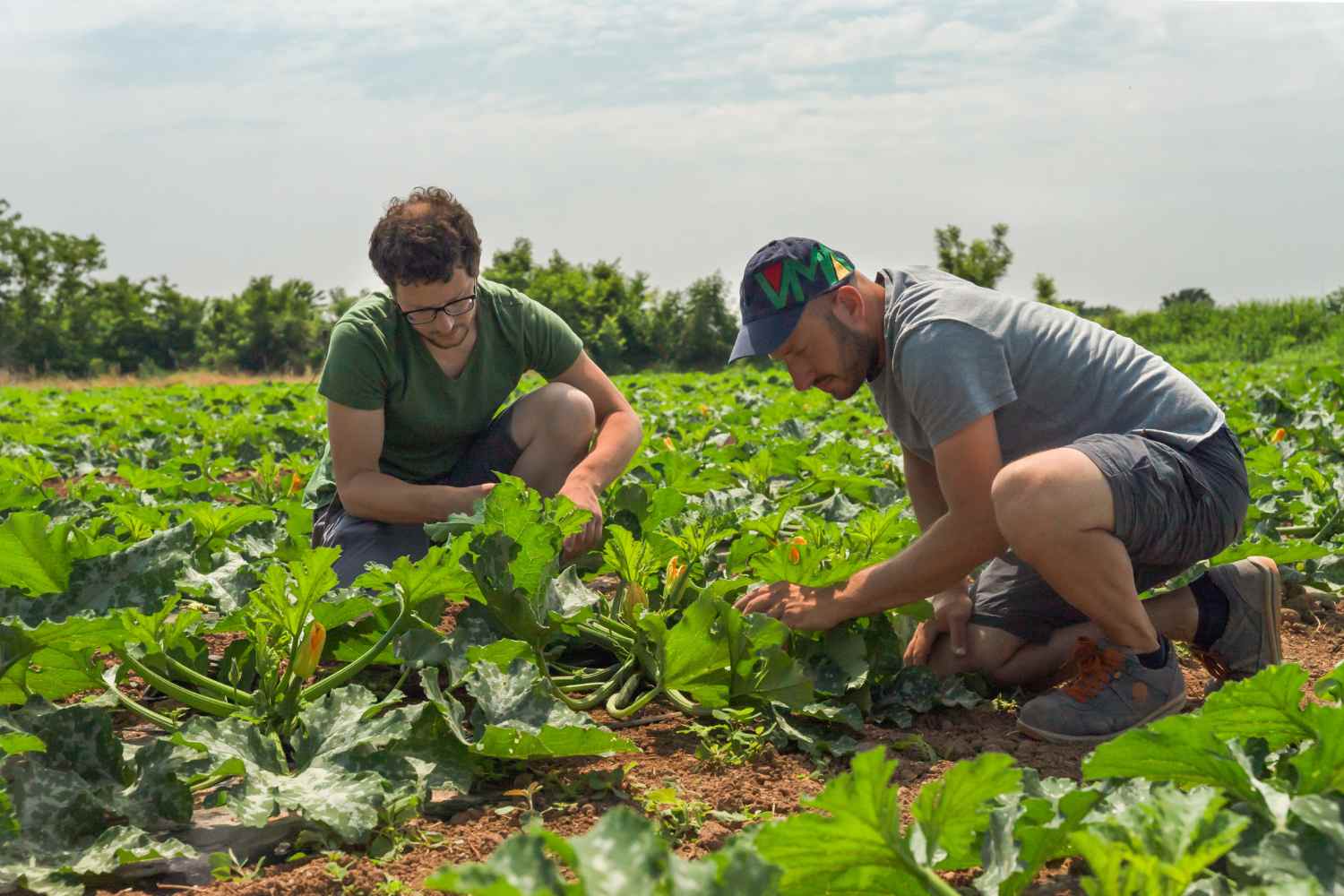
Organic and biodynamic farmers don’t just produce food. They also produce clean air and water, fertile soil, biodiversity and the fight against climate change. In other words, ecosystem services that are essential for the Planet and for all of us. Yet this work, of primary importance, is rarely explicitly recognized economically.
NaturaSì, the organic shop brand with 350 points of sale in Italy, has decided to make this value visible with the new 2026 campaign “The right price of food for the health of man and the Earth”, presented on 25 February in Rome. The goal is to make citizens understand how much it really costs to produce food while respecting natural resources and how much of that price actually goes to compensate farmers for their role as guardians of the environment.
The concrete example: how much is organic fennel worth
During the presentation of the campaign, NaturaSì made this mechanism transparent by bringing a concrete example: fennel. The production cost, including agricultural work, quality control and packaging, is 1.25 euros per kg. NaturaSì pays the producer 1.80 euros per kilo, therefore 55 cents more.
This differential is not a random surplus, but a contribution that recognizes the ecosystem services provided by organic agriculture: clean water and air, fertile soil, biodiversity, combating the climate crisis. Benefits that fall on the entire community, not just on those who buy that product.
The campaign also includes other basic products such as salad: compared to a production cost of 1.33 euros per kg, NaturaSì pays 2 euros per kilo, recognizing 0.67 cents more, approximately a third of the production cost, again as compensation for ecosystem services.
How much ecosystem services are really worth
There has been talk for years in national and international institutions about ecosystem services, how to measure them and assign them an economic value. The numbers are impressive. In a 1997 study, then updated in 2014 and still considered a pillar of environmental economics, Robert Costanza and colleagues estimated that the value of ecosystem services exceeds global GDP by approximately double. The most recent estimates place it at approximately $150 trillion.
As for Italy, according to a study published in Ecological Indicators, every year Italian ecosystems provide benefits worth 71.3 billion euros. The study highlighted that some Italian provinces have suffered significant losses: between 1990 and 2000, some provinces lost up to 7.5% of the capacity to protect against harmful events and 9.5% of assimilation of pollutants.
According to Ispra, the loss of biodiversity and ecosystem services is currently recognized as a risk factor for the transmission of bacterial, viral and parasitic diseases to humans, livestock, crops and wild species.
From transparency in 2025 to compensation in 2026
This year’s campaign follows the one launched in 2025 on the transparent price of food.
To the transparency in the formation of food prices last year – explains Fabio Brescacin, president of NaturaSì – we have added a declination of the compensation that we guarantee to the farmer, distinguishing the price paid for the product from that paid for ecosystem services, such as maintenance of soil fertility, respect for biodiversity, health and protection of the landscape.
The objective is to make people understand that by purchasing an organic or biodynamic product you are investing not only in the product itself but also in your own health and that of the environment. “At the same time it is important to be aware that if you pay too low a price, someone or something else will pay the price,” adds Brescacin.
The Sekem case: when the desert becomes an oasis
Also present at the presentation of the campaign was Helmy Abouleish, CEO of Sekem, the community project in the Egyptian desert which represents a unique example in the world of social entrepreneurship and agroecological transition. Sekem was awarded the 2024 UNEP “Heroes of the Earth” Award, the recognition of the United Nations Environment Programme.
The case of Sekem tangibly demonstrates how organic and biodynamic agriculture can literally transform a territory, generating ecosystem services where previously there was only desert. A concrete example of how it is possible to regenerate the environment through sustainable agricultural practices.
An approach that looks to the future
The campaign is based on the scientific approach of the True cost of food, increasingly recognized internationally, which calculates the real costs of food including the often hidden environmental and social impacts. All this is part of an international context in which ecosystem services are acquiring more and more recognition, including economic recognition, as demonstrated by the Payment Systems for Ecosystem Services (PES), now used in many countries around the world to counteract the loss and degradation of natural capital.
Tools such as carbon and biodiversity markets are already demonstrating that it is possible to reward those who care for the environment. NaturaSì has decided to apply this principle in a concrete and transparent way, making visible to consumers how much of that price actually goes to supporting agriculture that respects the planet.
The campaign will involve all 350 NaturaSì stores in Italy and aims to raise citizens’ awareness of the real value of organic food, showing how behind every product there is a set of ecosystem services that are fundamental for the environment and society. A necessary cultural change, which starts from the awareness of how much the food we choose to put on our plate really costs.
