
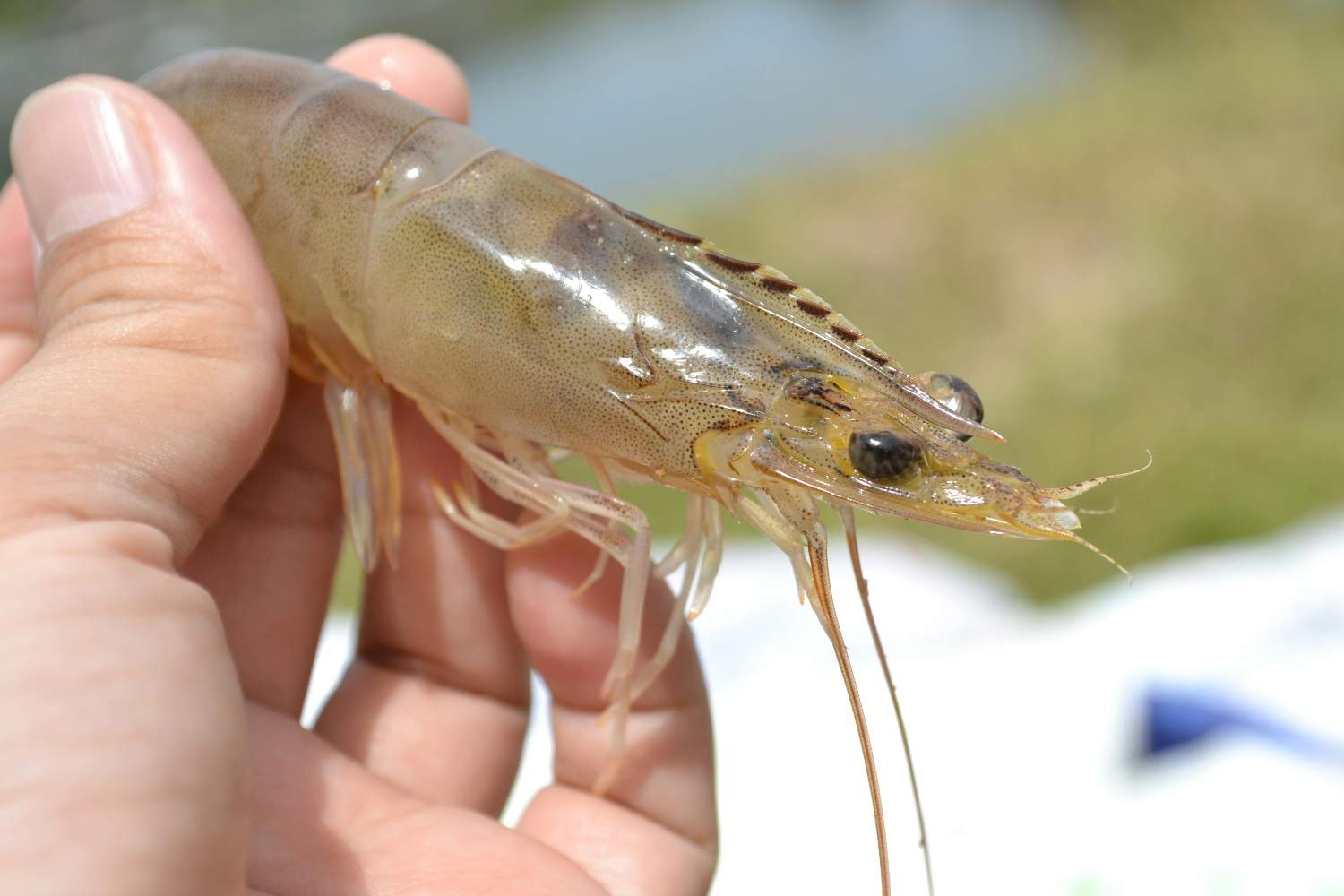
In the waterways of Suffolk, in the east of England, there is much more than just water. A team of researchers from King’s College London and the University of Suffolk has in fact detected data that has left the scientific community speechless: 100% of the freshwater shrimp analyzed contained traces of cocaine. The study, published in the scientific journal Environment Internationalexamined specimens of Gammarus pulex collected in 15 sites distributed across five river basins in the county. This is not an isolated case or a contaminated sample: the presence of the substance was found to be systematic.
Drugs, medications and pesticides: an invisible cocktail
Cocaine wasn’t alone. Traces of ketamine, anxiolytic drugs such as diazepam and alprazolam, as well as pesticides that have been banned for years in the United Kingdom have been identified in the small crustaceans. A set of chemical micropollutants that reach rivers mainly through domestic sewage.
Wastewater purification systems, the researchers explain, are not designed to completely eliminate these molecules. Thus, residues of recreational drugs, medicines and agricultural substances end up in waterways, accumulating in wildlife. The concentrations detected are low, but their widespread diffusion is what is worrying. We are not talking about a single pollutant, but rather a constant mixture of chemical substances that interact with each other.
Long-term effects yet to be understood
Experts stress that the immediate impact may be limited, but crucial questions remain about the chronic effects. Alterations in the behavior, reproduction and physiology of aquatic animals are plausible scenarios when exposure is continuous. Particularly surprising was the discovery in areas considered rural, far from large urban centers. If the presence of illicit drugs might seem predictable in metropolises like London, finding them in smaller areas raises questions about the real extent of the phenomenon.
The pollution you can’t see
The environmental debate often focuses on microplastics and climate change. This study instead turns the spotlight on another emergency: invisible chemical pollution. It does not float on the surface and is not noticeable to the naked eye, but it penetrates ecosystems with potentially long-lasting effects. Because if tiny crustaceans can become indicators of drugs in rivers, it means our chemical fingerprint is much deeper than we imagine.
You might also be interested in:
