
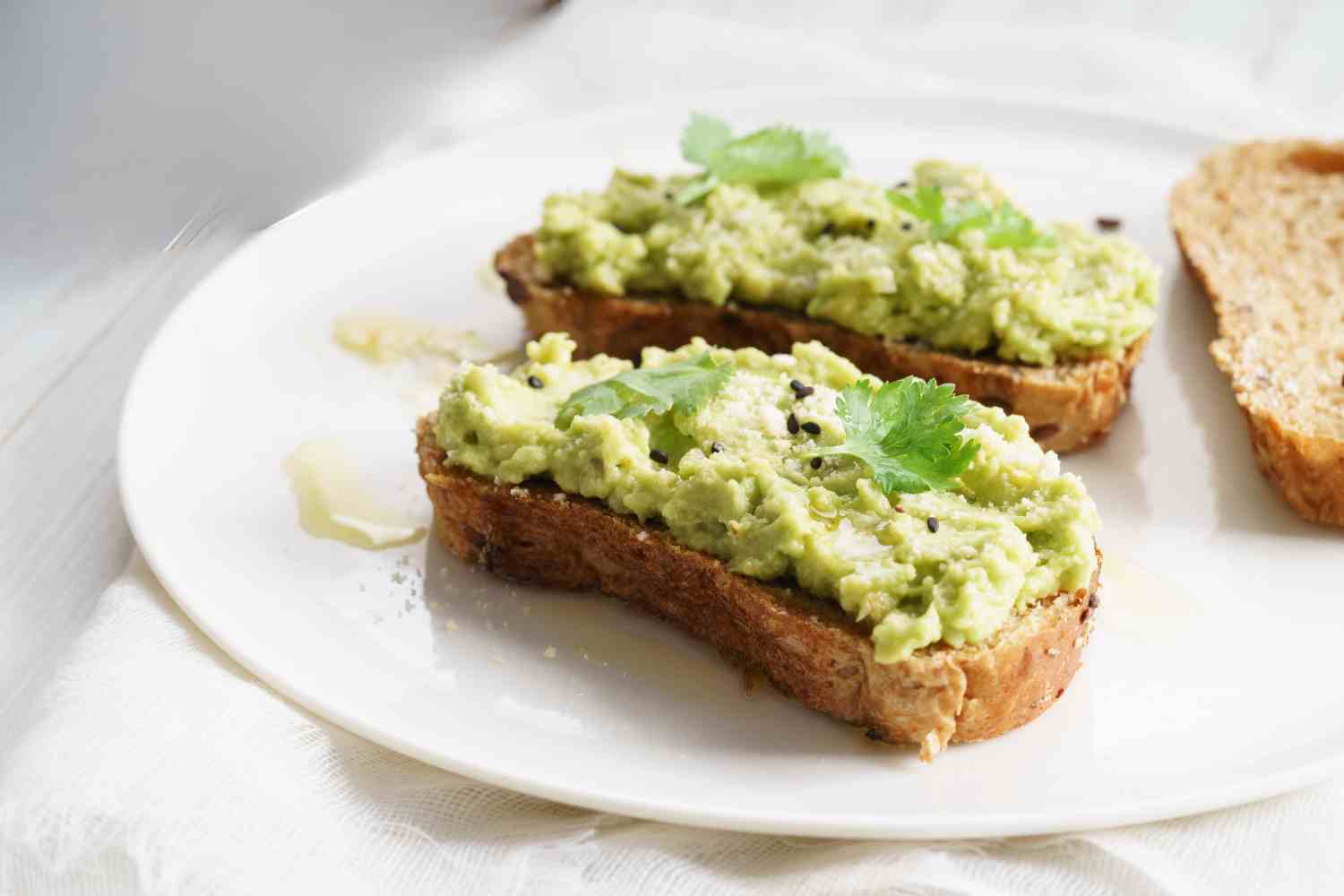
Avocado toast has dominated breakfast menus for years, but over time it can get repetitive — and expensive. Avocados are not among the cheapest items in the grocery store, and finding an equally creamy and tasty alternative is not easy.
The answer, unexpected but convincing, is called Lima beans. Those who tasted them on toast defined them as “phenomenal” and “incredibly delicious”: a velvety cream, with a delicate fruity flavour, rich in fiber and proteins and with few net carbohydrates.
The recipe is for two people and can be prepared in just 15 minutes.
Ingredients
For the Lima bean cream:
For the toast:
Preparation
Drain the lima beans well and place them in the food processor along with the spring onion, spinach, olive oil and lemon juice. Blend everything until you obtain a smooth and velvety cream, scraping the edges of the container when necessary.
Toast the bread to your liking, then spread a layer of wholemeal mustard on each slice. Add the Lima bean cream in abundance, leveling the surface well. Complete with tomato slices, red onion rings and a sprinkling of fresh chopped spring onion. Serve immediately and discover your new favorite toast.
As an alternative to lima beans, you can prepare the same cream using peas. Drain 300 g of cooked peas (fresh or frozen) and blend them with a spring onion, a few fresh mint leaves, a drizzle of olive oil and the juice of half a lemon, until you obtain a smooth, bright green cream. The flavor is slightly sweeter and more delicate than beans, but just as creamy and perfect for spreading on toast. Complete the toast with wholemeal mustard, tomato slices, red onion and fresh spring onion: the result is a light, colorful and tasty dish.
What are Lima beans
Lima beans are legumes originating from South America, whose name derives from the capital of Peru, the city from which they were exported all over the world. They have a flattened oval shape, a color ranging from creamy white to pale green, and a particularly soft and buttery consistency which makes them ideal for blending into creams and purees.
Their flavor is delicate, slightly fruity, with a natural sweetness that brings them surprisingly close to avocado. From a nutritional point of view they are a real resource: rich in fibre, vegetable proteins and minerals such as iron, magnesium and potassium, with a low fat content. They are easily found on the market both dried and canned, already cooked and ready to use, which makes them a convenient and versatile ingredient for everyday cooking.
