
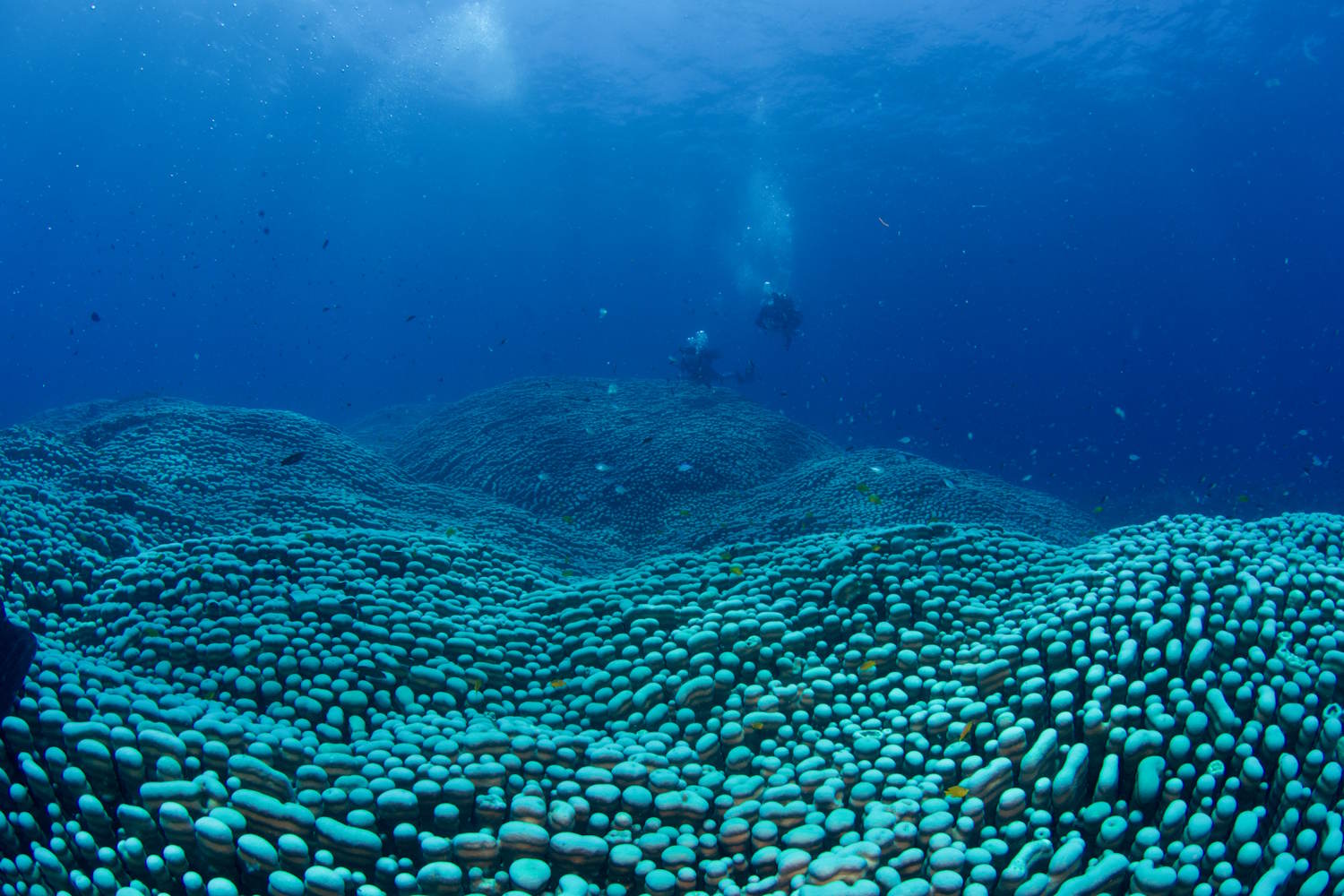
The Great Barrier Reef has one more hope of surviving and growing: during a dive, Sophie Kalkowski-Pope and his mother Jan Pope have identified the largest documented and mapped coral colony in the world. The discovery occurred as part of the project citizen-science Great Reef Censusmanaged by Citizens of the Reef.
The project
The Great Reef Census it was designed for large-scale space reconnaissance, allowing the detection of coral reefs in large areas in short timescales. It complements existing coral reef science, helping to identify reefs of high ecological value and potentially important for recovery.
Data collected through the census is used to identify areas of high ecological value, including coral reefs that could serve as important sources of coral reproduction and support surrounding coral systems through larval dispersal.
To all intents and purposes, it is a citizens-science project, to which anyone can contribute, providing data to the scientific community.
Since its launch, the Great Reef Census has grown to become one of the largest participatory marine science initiatives in the world. And the model is now being adapted beyond the Great Barrier Reef, demonstrating how people-driven coral reef conservation can work at scale to help protect coral reefs around the world.
The discovery
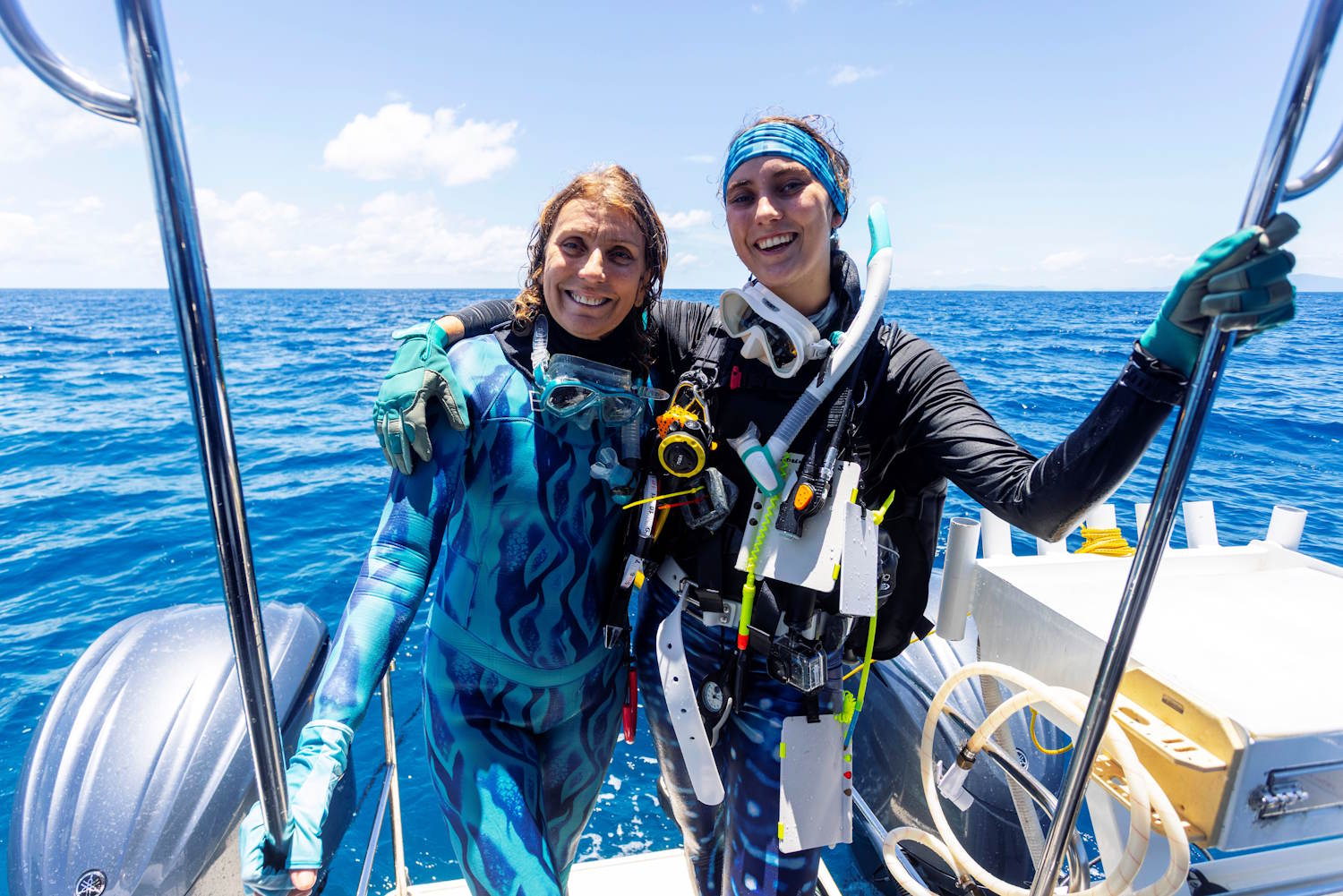
Sophie Kalkowski-Popein particular, is the Marine Operations Coordinator of Citizens of the Reefand, together with his mother Jan Popewas inspecting the coral reefs from their family boat.
I knew from the moment we landed that it was something special – says Sophie Kalkowski-Pope – When I entered the water, I had never seen coral grow like this. It looked like an expanse of coral. And it went on forever
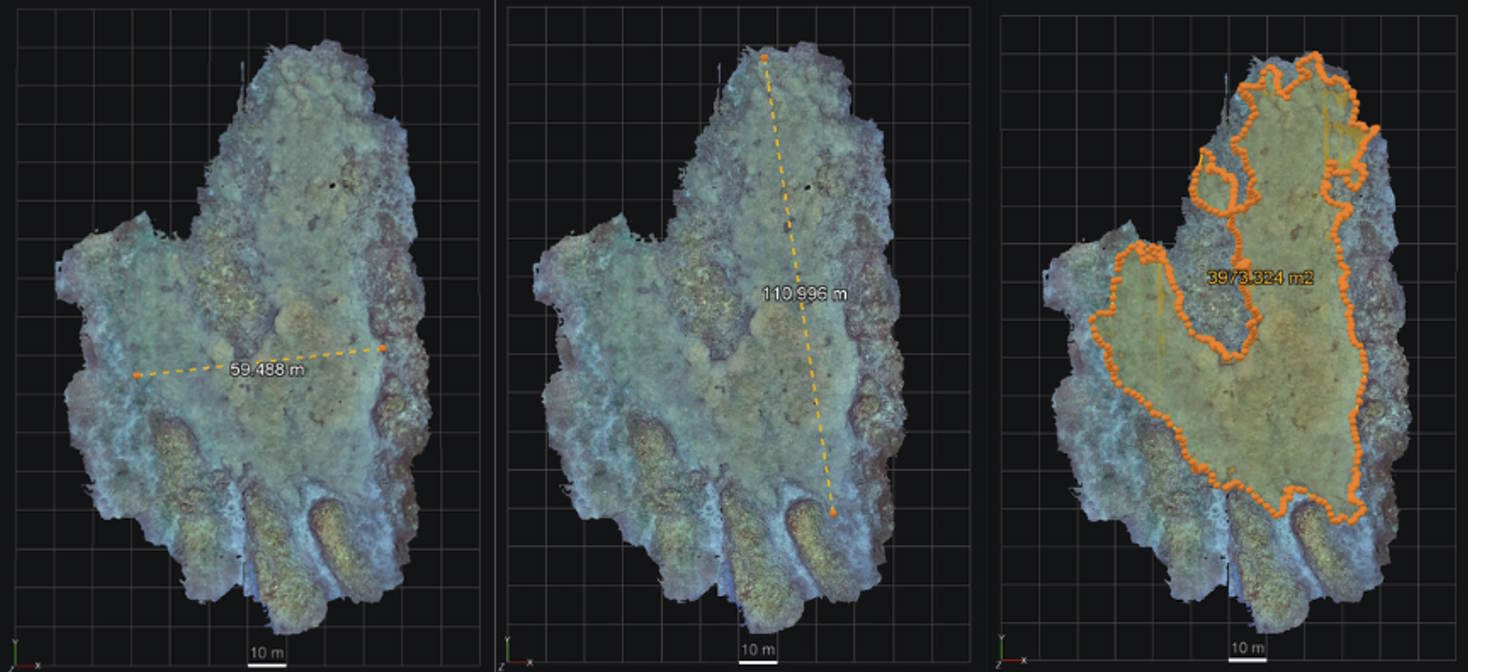
After the initial sighting, a project-led team worked to verify the actual size of the colony using several independent methods (surface photogrammetry and advanced three-dimensional spatial modeling).
Manual underwater measurements were then combined with high-resolution images acquired from surface platforms, and the resulting data was used to generate a detailed 3D model of the coral’s structure.
The spatial modeling was carried out in collaboration with the Center for Robotics at the Queensland University of Technologyalong with image capture supported by Biopixels.
And the results speak for themselves, the colony is truly enormous: it extends for approximately 111 meters in maximum length and covers an estimated area of 3,973 square meters, approximately the size of a football field. For comparison, some of the largest individual coral colonies of this species documented internationally are typically between 30 and 35 meters in size.
The advantage of this type of spatial data is that we can carry out very high resolution measurements – explains Serena Mou, who collaborates on the project – It also means that we can return in future months and years and make direct comparisons with the aim of understanding how the coral changes over time
The site is characterized by strong tidal currents and relatively low exposure to cyclonic waves. Scientists are therefore now examining these environmental conditions to better understand how such a large coral structure survived.
Are coral reefs recovering?
Unfortunately, the researchers stress that the discovery of an exceptionally large coral colony should not be interpreted as evidence that coral reefs are recovering or that climate pressures are easing.
Rather, it highlights the uneven way in which coral systems respond to environmental stress and therefore the importance of identifying, understanding and protecting remaining strongholds in vast coral systems, which are continually threatened by human-induced environmental pressures, starting with anthropogenic climate change.
It is therefore essential to continue monitoring these systems, in order to implement mitigation strategies to preserve this immense natural heritage.
