
On March 3, 2026, the calendar reminds everyone of the importance of celebrating World Nature Day, yet authentic contact with the earth does not require expeditions into remote forests or equipped green spaces, because any balcony – even the smallest, even the one overlooking a busy road – can become the scene of a true scientific discovery, capable of igniting in children that silent wonder that arises only from direct observation of the life cycle. Through the five senses, with poor materials and no specialized equipment, it is possible to build an exploratory path that transforms every vase, every seed, every leaf into an object worthy of study.
Plant what you were about to throw away
After eating an orange, a lemon or even a simple tomato, instead of letting the seeds slide away together with the waste, you recover them, rinse them under running water and leave them to dry on a piece of kitchen paper. It is a minimal gesture that changes perspective: what was rejection becomes a beginning again.
You fill a pot with universal soil, make a small hole with your finger – not with the gardening tool, with your finger – and place the seed a couple of centimeters deep. It is covered without pressing too much, it is watered sparingly and the pot is placed in a bright spot. In the following days we check every morning, almost as if it were a ritual: we touch the earth to see if it is dry, we observe the surface in search of a crack, a signal.
Not all seeds will germinate, and that’s okay. The wait, the possibility of failure, are as much a part of the experiment as the sprout that emerges. When it happens — because it happens — the connection is direct: that fruit you ate for breakfast is now a plant that exists thanks to you.
Smell and tell
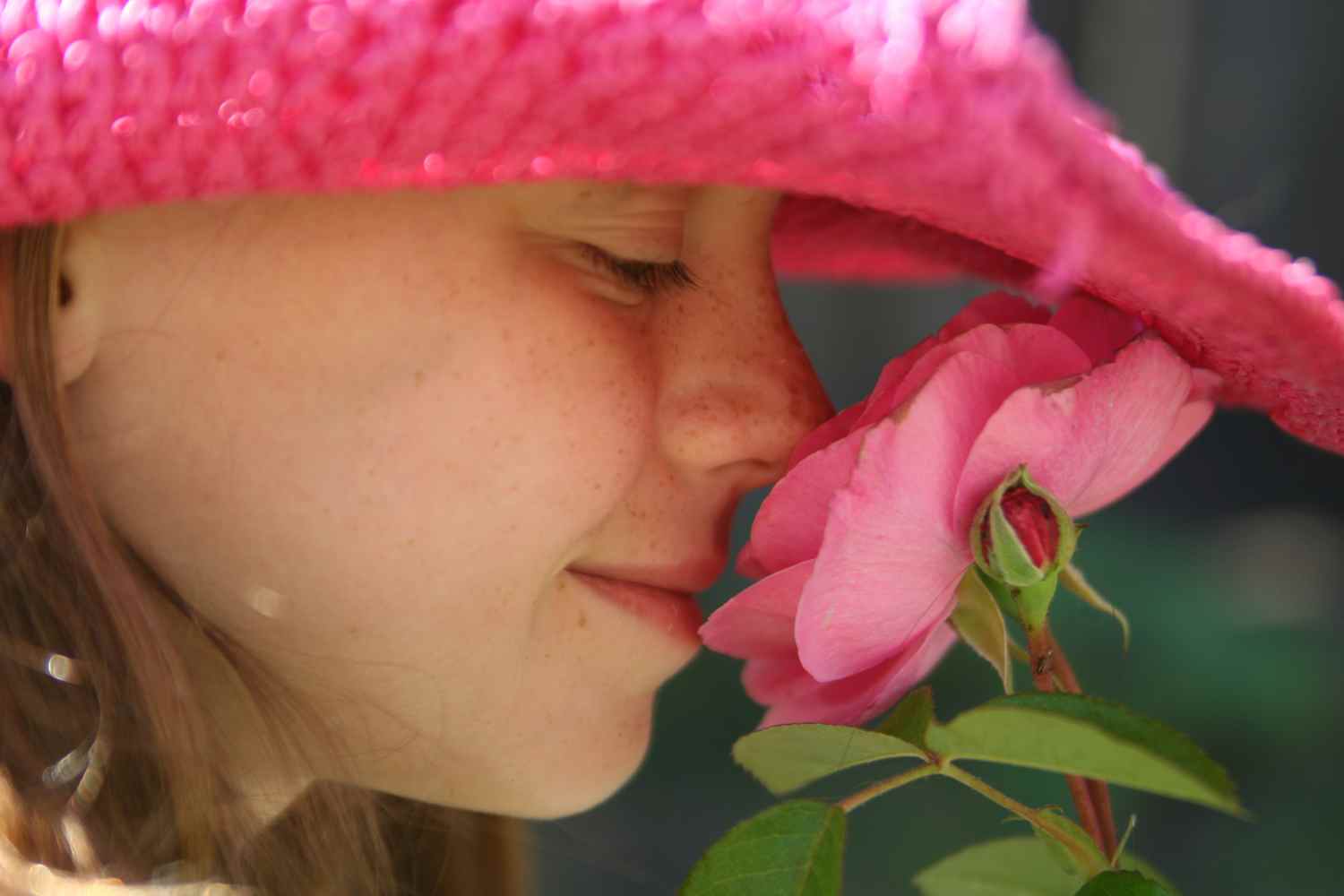
The second experiment involves smell, the sense most linked to emotional memory, through the creation of a “perfume map” made with aromatic plants. By delicately rubbing the wrinkled leaves of rosemary, the velvety leaves of sage or the pungent freshness of mint between their fingers, children can learn to identify plant species without the aid of sight.
You could organize a small blindfolded challenge, where each fragrance must be associated with a memory or an emotion, thus encouraging cognitive development that combines botany with narrative ability. This type of activity not only enriches the child’s scientific knowledge, but creates a deep bond with the surrounding environment, since each plant stops being a simple green ornament to become a source of unique and unrepeatable sensations.
Watch the earth change color
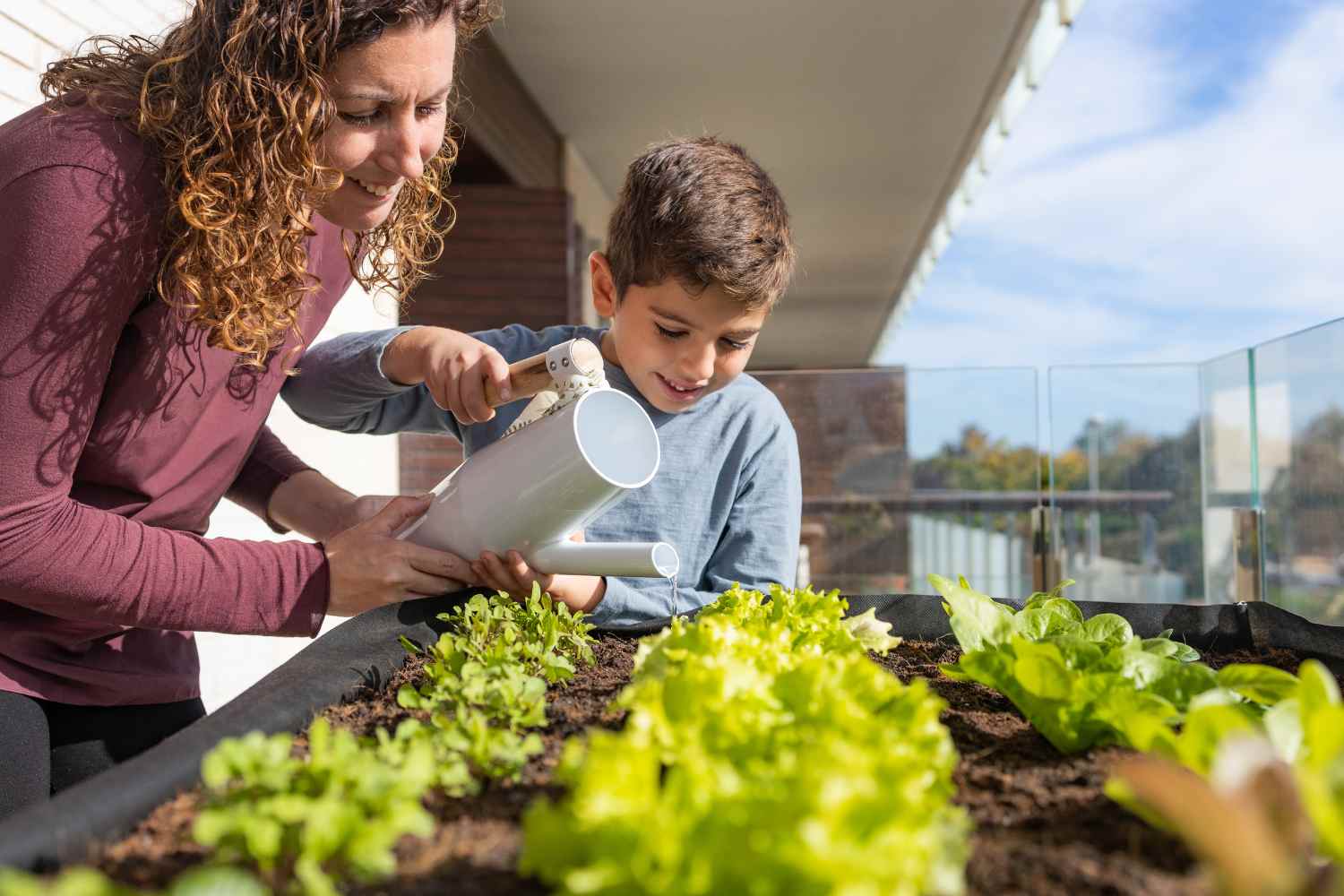
The dry earth has an almost dusty smell, a dull color, a consistency that crumbles between the fingers. Before watering a pot, the child is invited to touch the soil, to describe it, to note its temperature. Then pour the water slowly, without haste, observing the transformation: the brown becomes darker, the surface compacts, the smell becomes more intense.
The sequence is always the same, but it is never identical. The next day you check how the soil is, you compare a freshly watered pot with one left to dry a little more, you observe the leaves which go from soft to becoming taut again within a few hours. There is no need for great explanations: water is not an automatic gesture, it is a relationship. Too much suffocates, too little weakens, balance must be sought, a big word for a tiny gesture.
And here is the point — which is not poetic but practical. Nature is not something to contemplate from a safe distance. It is something that reacts, responds, sometimes disappoints. A balcony is enough to understand it and you just need to stop, even just five minutes.
