
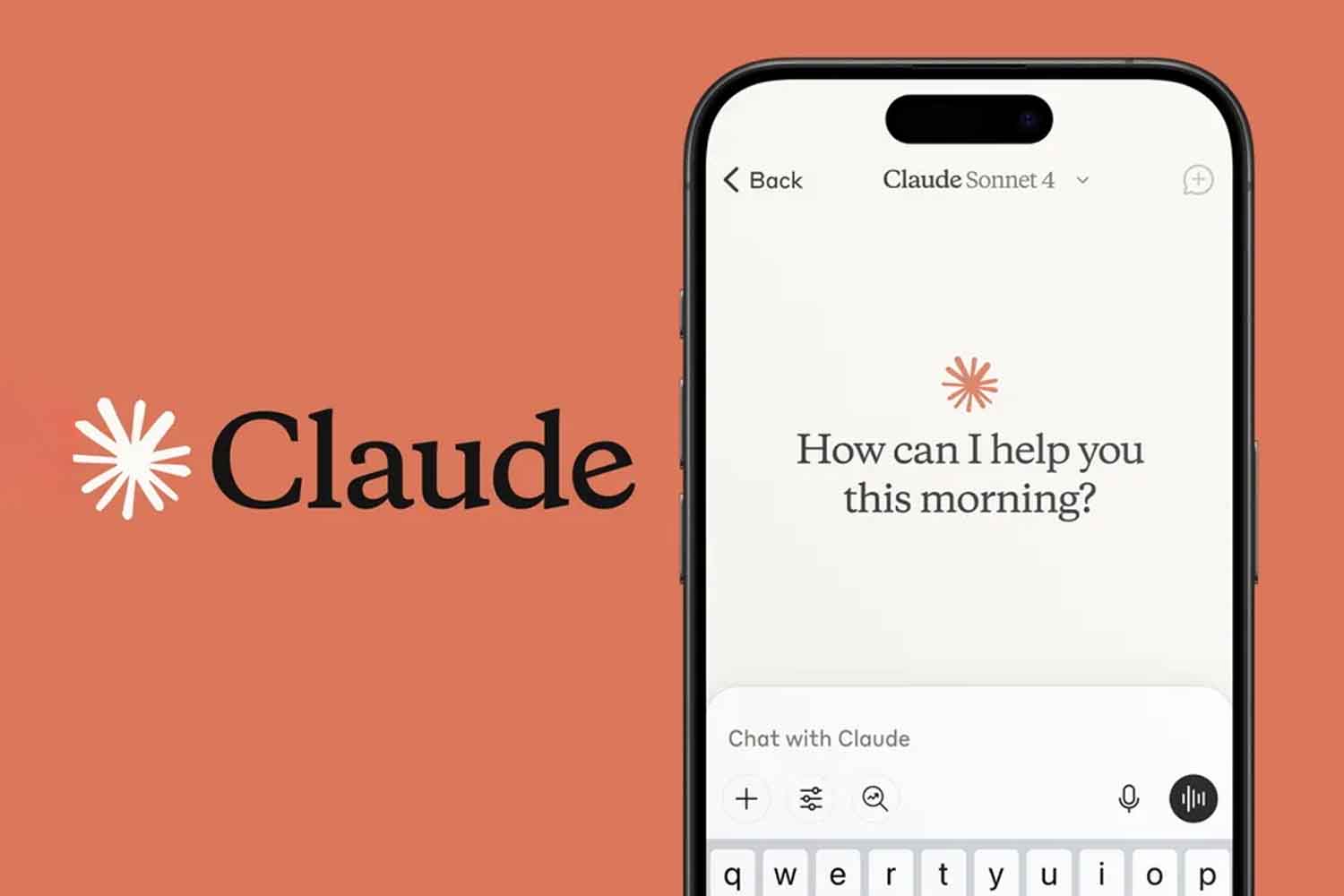
There’s a story that’s been doing the rounds for a few days and which, if you tell it to someone who doesn’t follow technology closely, seems like something out of a movie. A company of artificial intelligence says no to the Pentagon, gets blacklisted like “risk to the national supply chain”and within 48 hours his chatbot became the most downloaded app in America. The rival, the one that instead signed the contract with the Department of Defense, finds itself with a +775% of one-star reviews and a CEO who publicly admits that he communicated everything in the worst way possible.
Welcome to the era where a tech company’s reputation is at stake on the App Store. But let’s start in order. Anthropicthe company that develops the chatbot Clauderejected the US Department of Defense’s request to be able to use its artificial intelligence without i ethical constraints that the company had given itself: no autonomous weapons, no mass surveillance of citizens.
The administration Trump responded by placing Anthropic on a list of suppliers considered “a risk to the national supply chain,” effectively terminating several federal contracts. Ergo: if you don’t give us what we want, we’ll blacklist you. Which is exactly the kind of response you expect from someone who is still called the “War Department,” given that the Trump administration also changed the name, a detail that doesn’t make a difference.
OpenAIIn the meantime, the Pentagon has signed that agreement. With some limitations written in the contract, sure, but he signed it. Sam Altman later admitted on X that the communication had been handled very badly:
We shouldn’t have rushed to publish on Friday.
But the reputational damage had already been done.
Claude overtakes ChatGPT in the rankings for the first time
What happened next is technically measurable and humanly quite entertaining to talk about. On February 27, 2026, Claude downloads in the United States grow by 37%. The next day by 51%. ChatGPT uninstallations skyrocket to +295% compared to the daily average.
For the first time ever, Claude surpasses ChatGPT in daily downloadsarrives first in the American App Store and stays there for days. A post appears on Reddit titled “Cancel and Delete ChatGPT!!!” with thirty thousand upvotes. Even a site was created, CancelChatGPT.com, dedicated exclusively to guiding users in deleting their accounts, with step-by-step instructions, as if uninstalling an app had become a form of civil activism complete with tutorials. And in a certain sense it became one, at least for a few days.
Claude’s paid subscribers have more than doubled since the beginning of the year, daily new users have tripled volumes compared to November 2024. Before the Super Bowl in February, Anthropic was ranked 42nd in the US App Store charts. Then came the week of controversy, and first place.
The complicated side of the story
That said, the situation is much less clear-cut than it seems. Anthropic has an active partnership with Palantir And Amazon Web Servicesconcluded in November 2024, which grants American intelligence agencies and defense departments access to the Claude models. Some experts have raised doubts that Claude may have already been employed in planning military operations, despite the company’s formal ban. In practice: Anthropic does not sell directly to the Pentagon, but sells to those who sell to the Pentagon. The difference is legal, not moral.
This isn’t to say that Anthropic’s rejection was just a marketing move, since Dario Amodei it has lost real federal contracts, which has a real economic cost. However, it means that the story of “good” versus “bad” artificial intelligence is such a convenient simplification that it raises suspicion. Once a tool exists, its intended use is no longer decided by those who built it.
What remains, once you remove the background noise, is an interesting fact: people are starting to choose their digital tools also based on who produces them and how they behave. It’s real, measured, rapid behavior change. Whether it is driven by deep convictions or by the emotional wave of a weekend on social media, it is difficult to say for now. Probably both, as almost always.
What is certain is that in the artificial intelligence market, reputation has transformed into a concrete competitive variable: no longer just a value declared on the institutional website, but something that moves millions of downloads in forty-eight hours. For tech companies accustomed to converting everything into metrics except trust, it’s the kind of problem they didn’t know they needed to put in an Excel sheet. And now they have it there, nice and big, in the damage column.
