
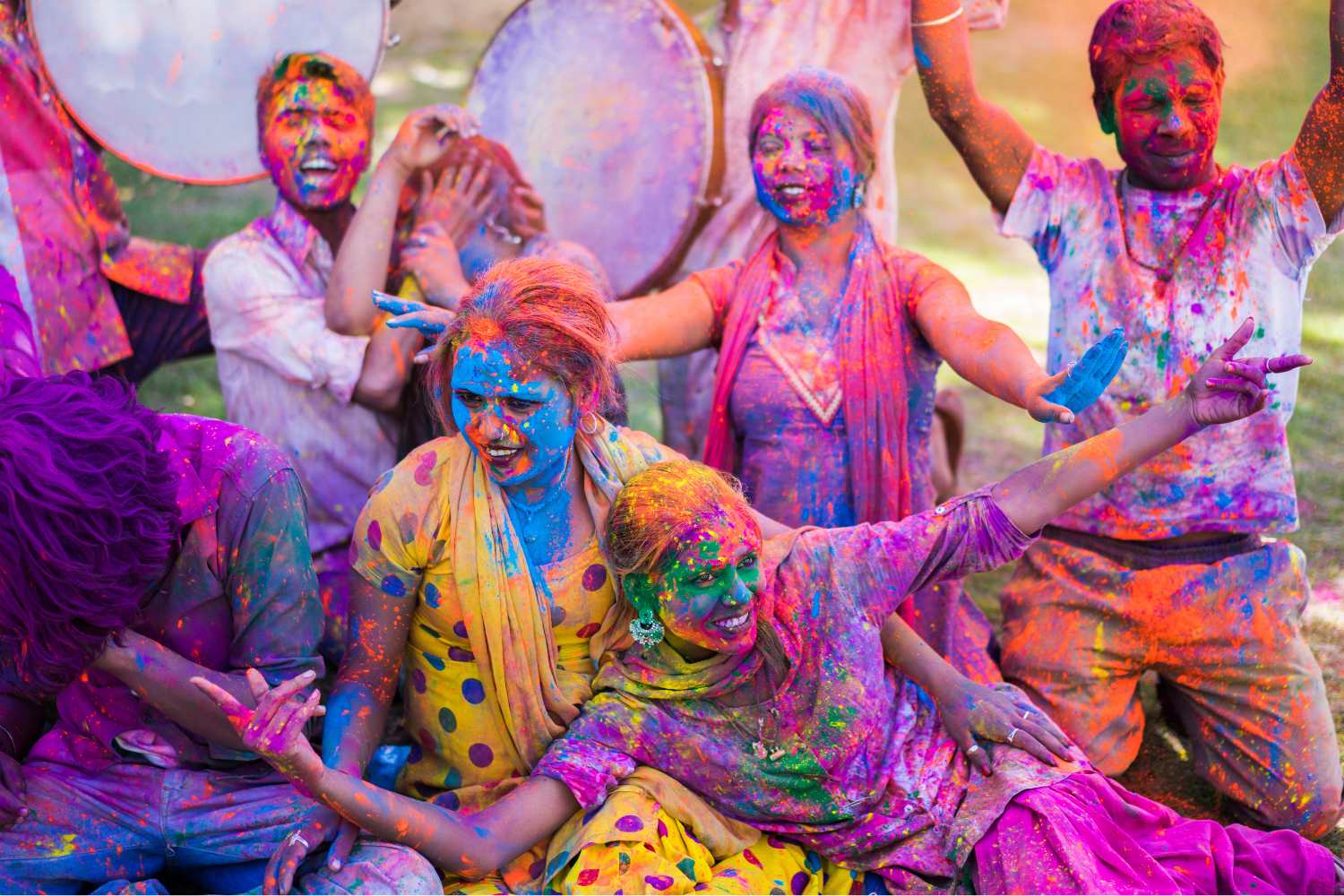
Festive air, jets of colored powders, songs and dances: Holi celebrations began today in India, the national holiday which welcomes the arrival of spring and in some villages they will continue for about a week.
Holi is one of the most famous and popular festivals in India. It is a Hindu celebration that marks the end of winter, but above all it represents the victory of good over evil, rebirth and reconciliation between people. It is known throughout the world as the “festival of colours”, because during the festival people throw colored powders (gulal) and colored water at each other, filling streets and squares with a gigantic explosion of colours.
View this post on Instagram
Holi festival: origins and celebrations
The custom of this ancient Hindu festival, which generally lasts two days, is to sprinkle colored powders on the body and color the people and animals encountered on the streets. The evening before the start of the celebrations, the Indians gather around huge bonfires to burn symbolically Holika, or the spirit of evil, while singing and dancing. People celebrate by dancing in the streets with music and drums and take the opportunity to visit relatives and friends and eat traditional desserts such as gujiya (fried sweet dough with a sort of condensed milk, sugar and flavourings).
View this post on Instagram
The Holi festival draws inspiration from some legends of Hindu mythology. According to one of the best-known ones, the god Krishn (dark-skinned), jealous of the white skin of his wife Radha, painted her face with colours. For this reason, during celebrations lovers paint each other’s faces as a sign of love.
This celebration is not only a cheerful celebration, it is also a unique moment of the year in which we forgive each other and in which the rigid social structures of castes break down.
Everyone can take part in the celebrations: rich, poor, young people, children and elderly, men and women and even the authorities. Resisting the joy and colors of the Holi festival is practically impossible!
