
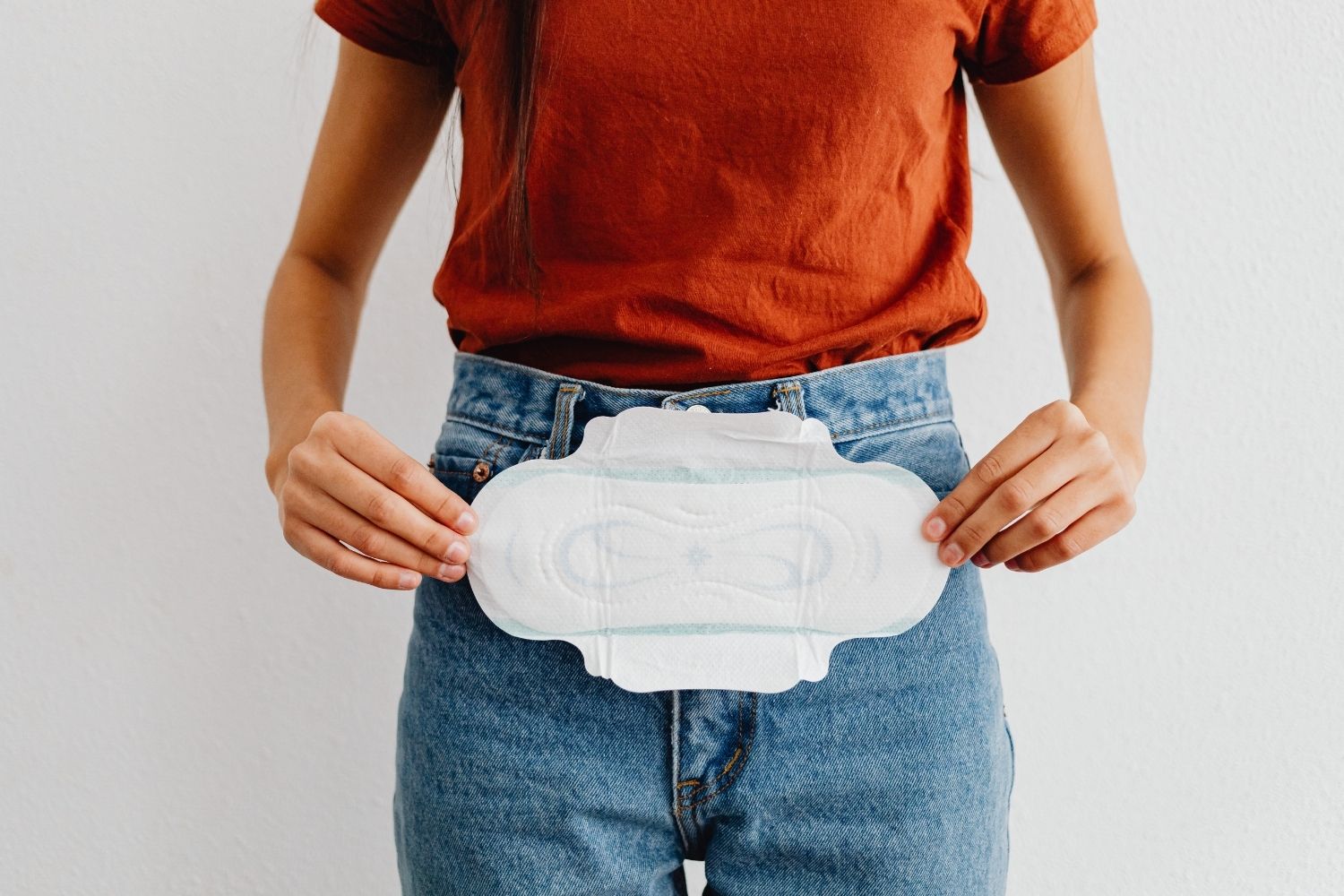
“We want to tell every little girl who skipped school because her body was perceived as a burden: it’s not her fault”.
With these words, in recent weeks, the Supreme Court of India closed the ruling in the case Dr. Jaya Thakur v. Government of Indiaestablishing that menstrual health is part of the fundamental right to life and personal liberty guaranteed under Article 21 of the Constitution of India.
The decision represents an important step: menstruation is no longer considered a private or individual matter, but a collective responsibility that concerns society, institutions and the educational system, recognizing menstrual health as body literacy and personal autonomy.
Barriers that limit education and participation
In its reasoning, the Court links menstrual health to social justice, recognizing that numerous obstacles prevent many girls and people who menstruate from participating fully in school life.
Among these:
According to the judges, “rights can only be truly guaranteed if structural inequalities related to gender, caste, religion, race and socioeconomic conditions are taken into account“.
The ruling recognizes that many people face multiple disadvantages, but the analysis remains incomplete. Aside from addressing the reality of transgender and non-binary people menstruating, the issue of caste discrimination remains partly unresolved. In India, in fact, people belonging to communities Dalits They regularly suffer stigma linked to menstruation and are often used in cleaning and sanitary waste disposal jobs.
The Court’s decision to improve menstrual waste disposal systems in schools has been welcomed, but some observers point out that this work risks once again falling to Dalit workers, perpetuating entrenched social hierarchies.
Not just hygiene: the theme of bodily autonomy
The Court highlights a central point: the lack of knowledge of one’s body reduces personal autonomy. According to the ruling, people must be able to make decisions about their bodies without social pressure or stereotypes, moving beyond the idea that menstruation must be hidden or managed invisibly.
However, the judges also recognize a risk: focusing only on the management of menstrual hygiene – the so-called menstrual hygiene management – can make people believe that distributing menstrual products is enough to solve the problem. An exclusively technical approach in fact risks reinforcing the idea that the cycle is something to be controlled and hidden to maintain “dignity”.
Among the Court’s indications there is also the need to strengthen menstrual education in schools, with gender-sensitive school programs and specific training for teachers. An important point concerns the involvement of men and boys, considered essential to dismantle stigma and taboos.
According to the judges, the real challenge is not “sanitize” women’s bodies, but eliminate the stigmas surrounding menstruation. So far many public policies – especially in India – have focused almost exclusively on hygiene, promoting a “sanitized” vision of menstruation. This ruling tries to go further: it recognizes that talking about menstruation also means talking about rights, autonomy and social justice.
If truly applied with this broader vision, the Supreme Court’s decision could transform the way society approaches the issue, bringing menstrual health out of the courtroom and into society’s everyday consciousness.
