
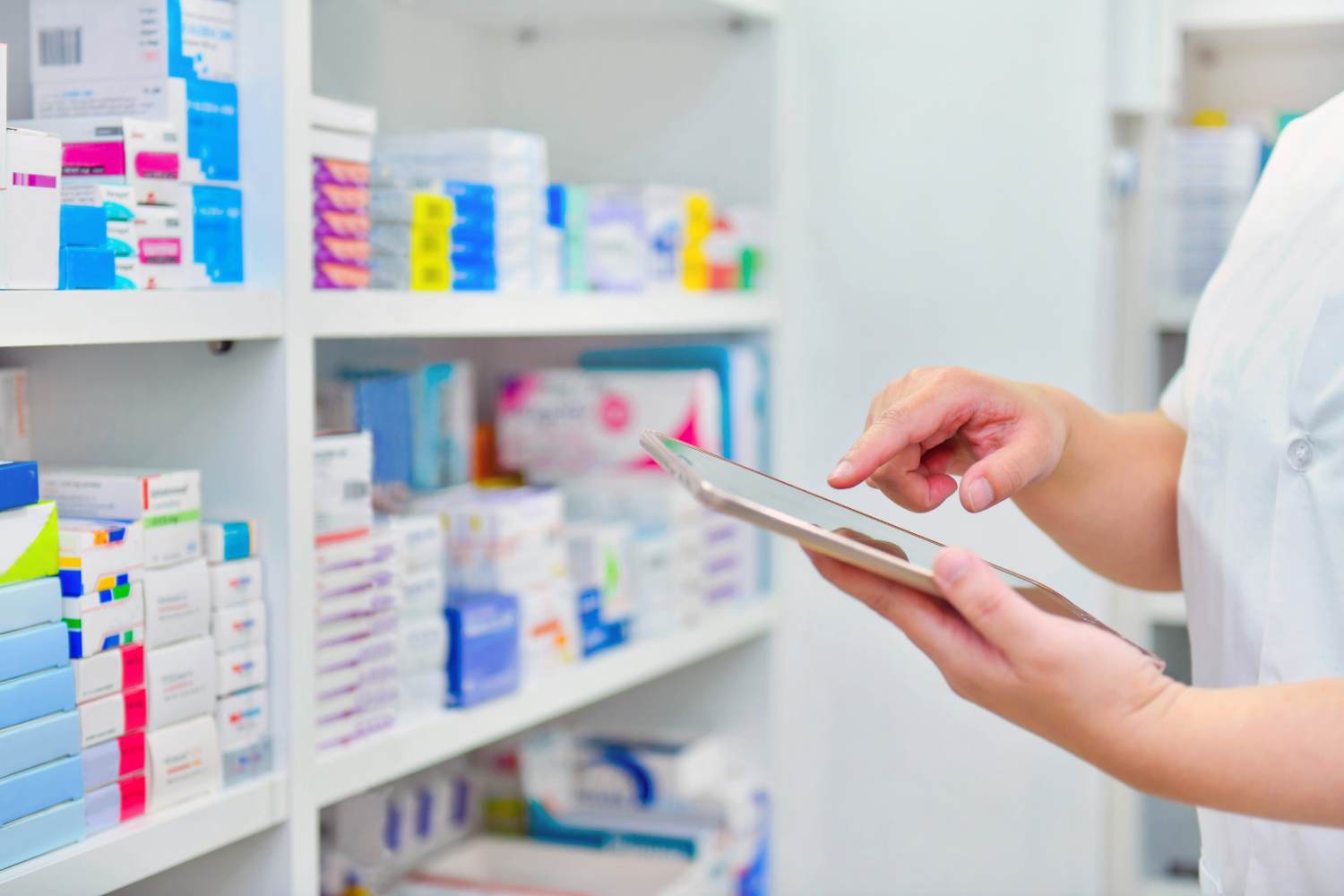
It is no longer a temporary emergency, the shortage of medicines has turned into a structural problem that affects almost all European countries. It is above all patients with chronic pathologies who pay the price, while pharmacies find themselves having to deal with a doubled workload.
A new report from the Pharmaceutical Group of the European Union (PGEU), the organization representing community pharmacists across Europe, photographs an alarming situation: in 2025, 96% of European countries experienced medicine shortages. And in most of them, things aren’t getting better.
In over a third of European countries, more than 600 medicines are currently unavailable. In some cases the threshold of a thousand missing products is even exceeded. And these are not niche drugs: among the unobtainable ones there are antibiotics, insulins, cardiovascular drugs, oncological treatments, medicines for the nervous system and the new GLP-1 receptor agonists, the therapies against obesity that have become famous in recent years.
The most worrying thing? Even medicines classified as “critical” at a European or national level are not safe from supply instability. In short, the system does not protect even the most essential therapies.
For patients, the consequences are concrete and often serious: interruptions in treatments, increased costs for families, greater risk of medication errors when switching from one medicine to another and, in some cases, real adverse events. For the first time, the PGEU report reports that the most widespread consequence is the loss of trust in medicines, pharmacies but also in the healthcare system as a whole.
And in Italy?
Unfortunately, Italy is no exception. In our country, the situation is worsening: shortage episodes have increased by almost 5% compared to the previous year. A figure that places us in the group of those countries – around 15% of the total – where things have actually gotten worse in the last year.
Community pharmacies are quietly but increasingly absorbing the brunt of this crisis. Today, on average, a pharmacist dedicates 12 hours a week to managing shortages: finding alternatives, contacting prescribers, supporting patients, preventing errors, dealing with paperwork. That’s double what it was just five years ago.
81% of countries report increased administrative burdens and economic losses related to this additional work, which is neither recognized nor compensated. As Mikołaj Konstanty, president of the PGEU, stated:
Resilience cannot depend on frontline professionals absorbing systemic failures.
Because there is a lack of drugs
The causes are multiple and intertwined. Europe is heavily dependent on non-EU countries, in particular China and India, for the production of active ingredients and pharmaceutical raw materials. Any disruption in global supply chains immediately impacts the availability of medicines.
Added to this is an economic problem: production costs have increased (energy, transport), but the sales prices of many generic drugs remain frozen or even decreasing. Producing certain essential medicines has simply become uneconomical, and some companies are abandoning them.
Then there is the phenomenon of parallel trade: drugs are purchased where they cost less – as in Italy – and resold in markets where prices are higher, taking stocks away from the national market.
What European pharmacists are asking for
The PGEU presented its requests during an event at the European Parliament, asking for a change of approach: no longer emergency management, but structural prevention. Among the priorities indicated are strengthening European production of essential medicines, building early warning systems capable of anticipating shortages, extending the legal role of pharmacists in the management of therapeutic substitutions (today only possible in 15% of countries), and economically recognizing the additional work already carried out by pharmacies.
Drug shortages, in other words, are not a technical problem to be delegated to pharmaceutical companies. It is a question of public health, equity and collective trust in the healthcare system. And as such it must be addressed with urgency and coordination at European level.
