
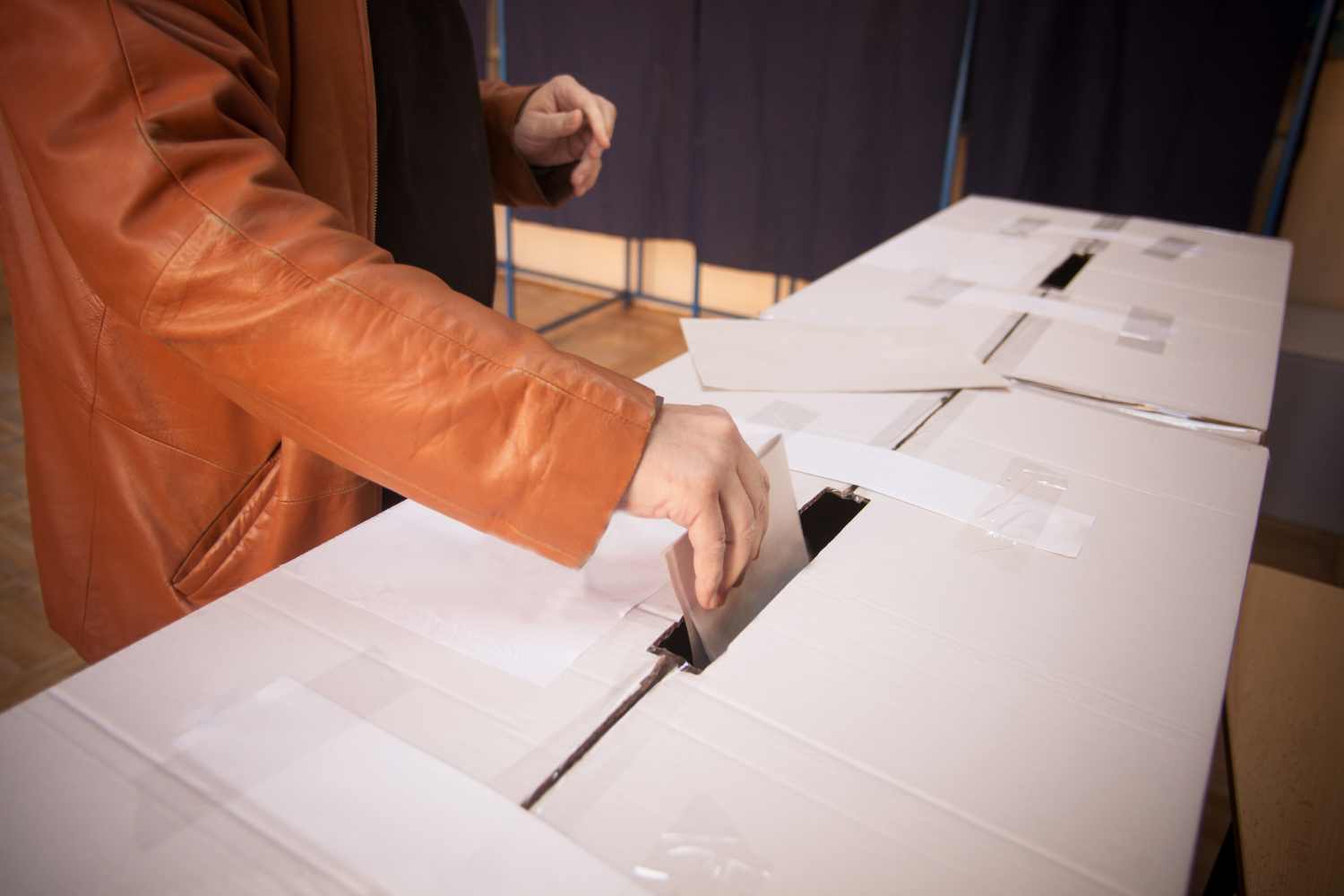
Parliament rejected all the amendments that would have allowed non-resident voting for the referendum on 22 and 23 March 2026. Around five million voters – 10.5% of the electorate – find themselves having to choose between traveling to their municipality of residence and abstention. However, there is an alternative, legal and concrete way, namely becoming a list representative.
Who can be a list representative
The parties and political groups present in the national Parliament or with at least one member of the European Parliament belonging to Italy can appoint representatives; in the case of multiple groups promoting the same referendum, each group can designate its own representatives. The access requirement is minimal: being registered on the electoral lists of any municipality and knowing how to read and write.
How the nomination takes place
Each political entity can indicate an effective representative and an alternate. The designation takes place through a delegated person with an authenticated mandate, or directly by the presidents or national secretaries or parliamentarians of the party, on plain paper with an authenticated signature.
Authentication follows the provisions of the art. 21, paragraph 2, of Presidential Decree 445/2000: the competent officer must identify the signatory, indicate date, place and qualification, affix signature and stamp. The designations may concern seats in municipalities other than the one in which the authentication is carried out. If the appointment is entrusted to a delegate, a copy of the relevant mandate must be attached.
The presentation must be made by the Thursday before the votes, also via PEC to the municipal secretariat: for the referendum of 22 and 23 March 2026 the deadline is therefore Thursday 19 March. Alternatively, it is possible to deliver the designation to the president of the polling station on Saturday afternoon during the authentication of the ballots (Saturday 21 March, 4.00 pm) or on Sunday morning before opening (Sunday 22 March, 6.50 am).
The checks by the chairperson of the polling station
Before admitting the representative to the operations, the chairperson carries out four checks
Out-of-town voting: how it works
This is the point that aroused the most interest in the weeks preceding the vote. List representatives can vote in the polling station where they exercise their functions, even if registered in any other section of the national territory; to do so they must present both an electoral card and an identity document.
For a non-resident voter, the path is simple: you need to identify a party or parliamentary group that supports the position you believe to be closest to you, contact the local or national structure and communicate that you wish to be appointed as a representative. It is not necessary to be a member of the party.
What is done at the polling station: duties and faculties
The role is not one of mere presence. The representative has the right to witness all phases of the operations – from setting up the polling station to voting, from closing to counting – by sitting at the table or in the immediate vicinity. He can insert summary declarations in the minutes and affix his signature on the closing strips of the ballot boxes, on the polling station minutes, on the document packets and on the adhesive strips that seal doors and windows. He may also wear a badge and/or armband with the party insignia and/or the name of the committee. Upon request, he is also allowed to attend the operations of the special seat or the flying seat; during periods when the polling station is closed, you can stay outside the hall.
All this is accompanied by a specific obligation, confidentiality. It is prohibited to use data relating to the voting participation of individual voters, as it is information potentially revealing of political orientation and as such protected by privacy legislation.
Responsibilities and protections
During operations, the representatives assume the role of public officials, with relative criminal protection in case of crimes committed against them and responsibility in case of irregularities. Anyone who prevents the regular carrying out of operations is punished with imprisonment from 2 to 5 years and a fine from 1,032 to 2,065 euros.
Rights at work
The employer cannot, under any circumstances, prevent its employees from fulfilling this task. The working days spent at the polling station are considered days worked for all purposes, both for the justification of the absence and for the salary. Holidays and non-working days are instead made up for with a day of compensatory rest, or compensated with daily quotas of additional pay. Once the operations have been completed, the worker must give the employer the certificate signed by the chairperson, indicating the task performed and the times of presence.
A role which, in essence, transforms whoever holds it into a democratic garrison – with rights, duties and, in this round, also another function, that is, allowing anyone who lives far from home the possibility of exercising their vote anyway.
Sources:
