
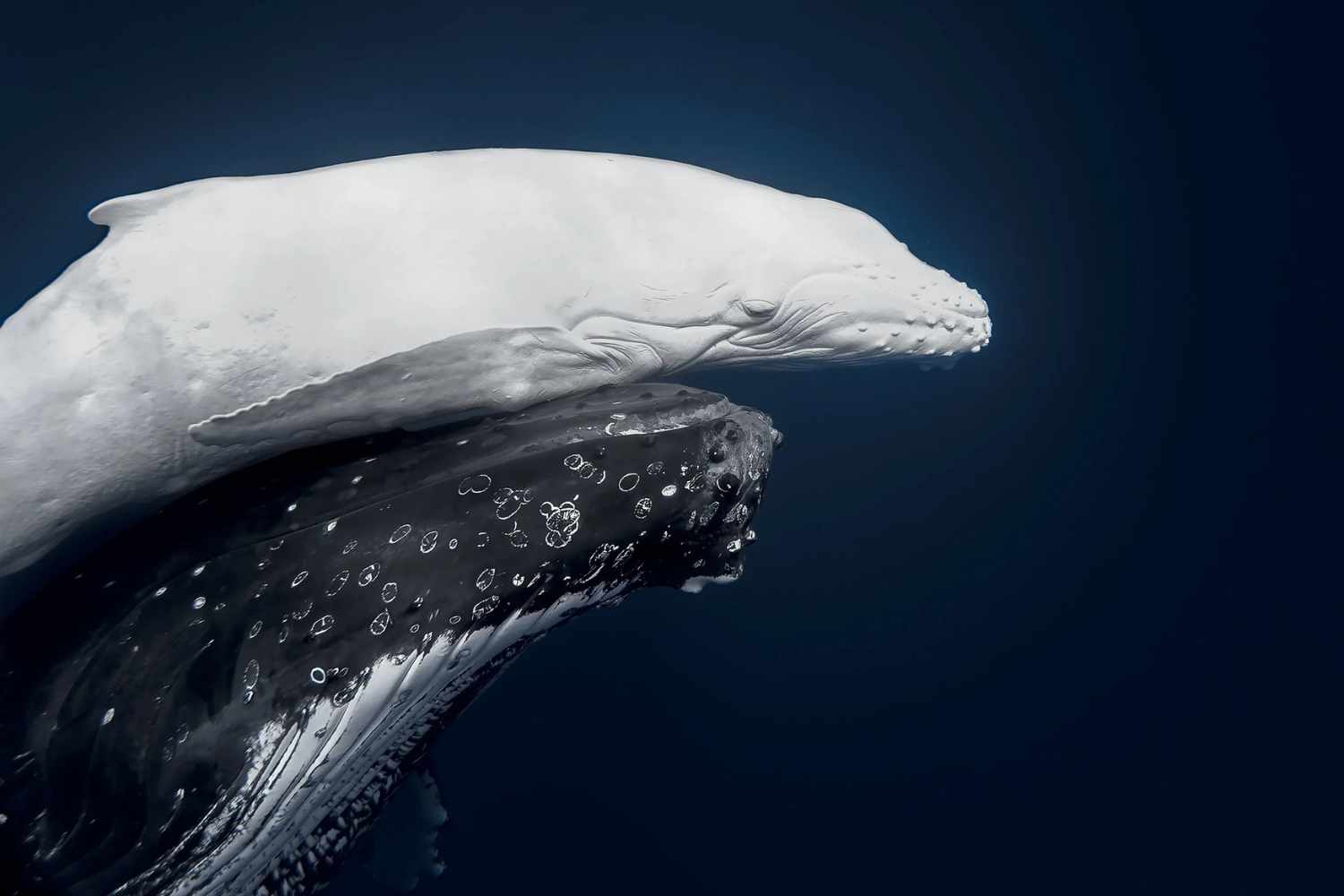
Among forty thousand humpback whales, one is born without pigmentation, only one in forty thousand specimens. Australian photographer Jono Allen was in the waters of Vava’u, Tonga, when he encountered Mãhina — the name means “moon” in Tongan — swimming alongside her mother in the blue depths of the Pacific. This is the shot that was awarded the best nature photography in the world for 2026.
View this post on Instagram
The humpback whale, a species that the whaling trade brought to the brink of extinction, is slowly recovering ground thanks to decades of international protection, and Mãhina, splendid in its white coat that captures every ray of light, is visual proof of that rebirth. Jono Allen, Australian photographer, won the Gold Award in the Underwater category and the title of World Nature Photographer of the Year 2026. The silver goes to the British Matthew Sharp, the bronze to the Australian Aimee Jan.
In the next paragraphs we will discover the winners of the other competing categories.
Animal Portraits – Animal portraits
In the Bwindi forest, Uganda, Mary Schrader (USA) wins first prize by photographing an almost unlikely moment, in which a young gorilla stares at a butterfly hovering around her. Two creatures very distant in the evolutionary scale, linked for an instant by the same curiosity.
Silver to Rich Brooks (USA), bronze to the Taiwanese-American Elizabeth Yicheng Shen.
Behavior, mammals – Behavior, mammals
In the Makgadikgadi Pans National Park, in Botswana, a giraffe finishes drinking at sunset and with a nod of his head releases an arc of water that shimmers in the golden backlight. Vaidehi Chandrasekar (Singapore) captures that fleeting moment and wins the gold.
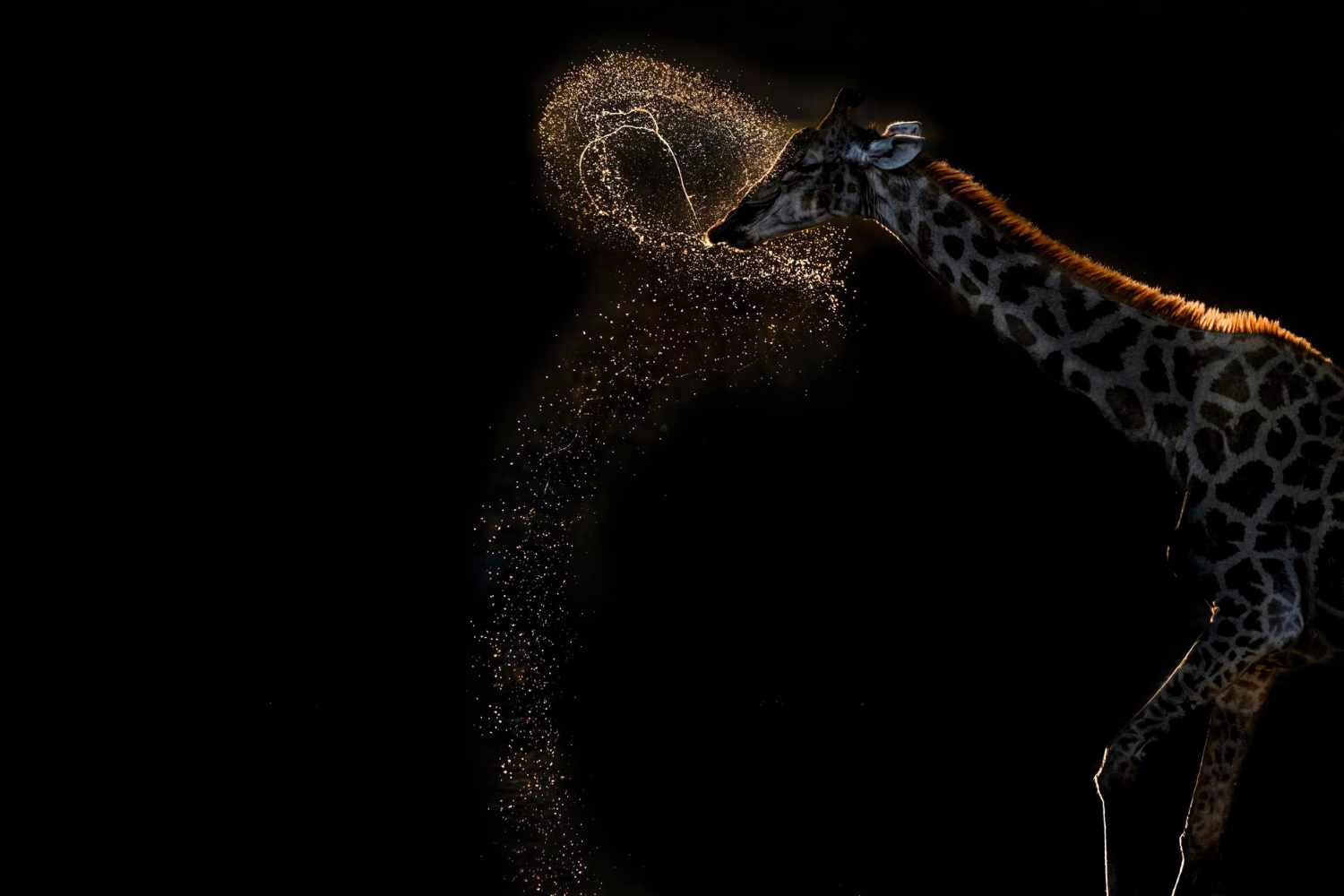
Silver to the Australian Michael Stavrakakis, bronze to the British Paul Goldstein.
Behavior, amphibians and reptiles – Behavior, Amphibians and reptiles
The Namib Desert, characterized by temperatures above 45 degrees and frequent sandstorms, is one of the most extreme environments on the planet. The South African Dewald Tromp photographed a Namaqua chameleon that resists immobile the hail of dust and gravel carried by the wind: stoicism in reptilian form, which deserves first place.
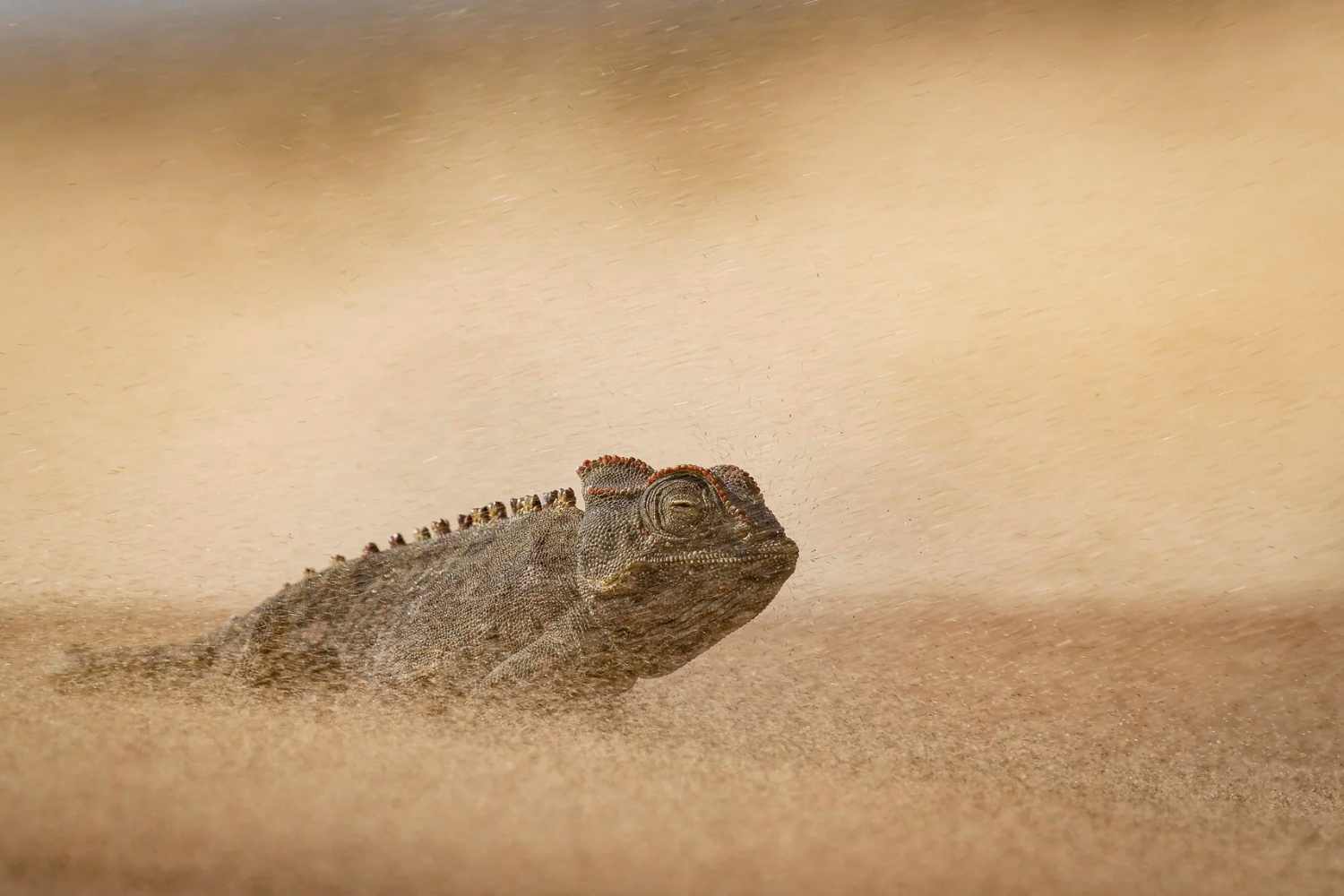
Silver to the Slovakian Roman Balaz, bronze to the Danish Henning Olsen.
Behavior, invertebrates – Behavior, invertebrates
In the Xishuangbanna rainforest, in China, Minghui Yuan documents the larva of a moss moth struggling with a miniature engineering feat, which sees it cut off its own stinging hairs and use them, after having glued them with saliva, to build a net-nest among the leaves.
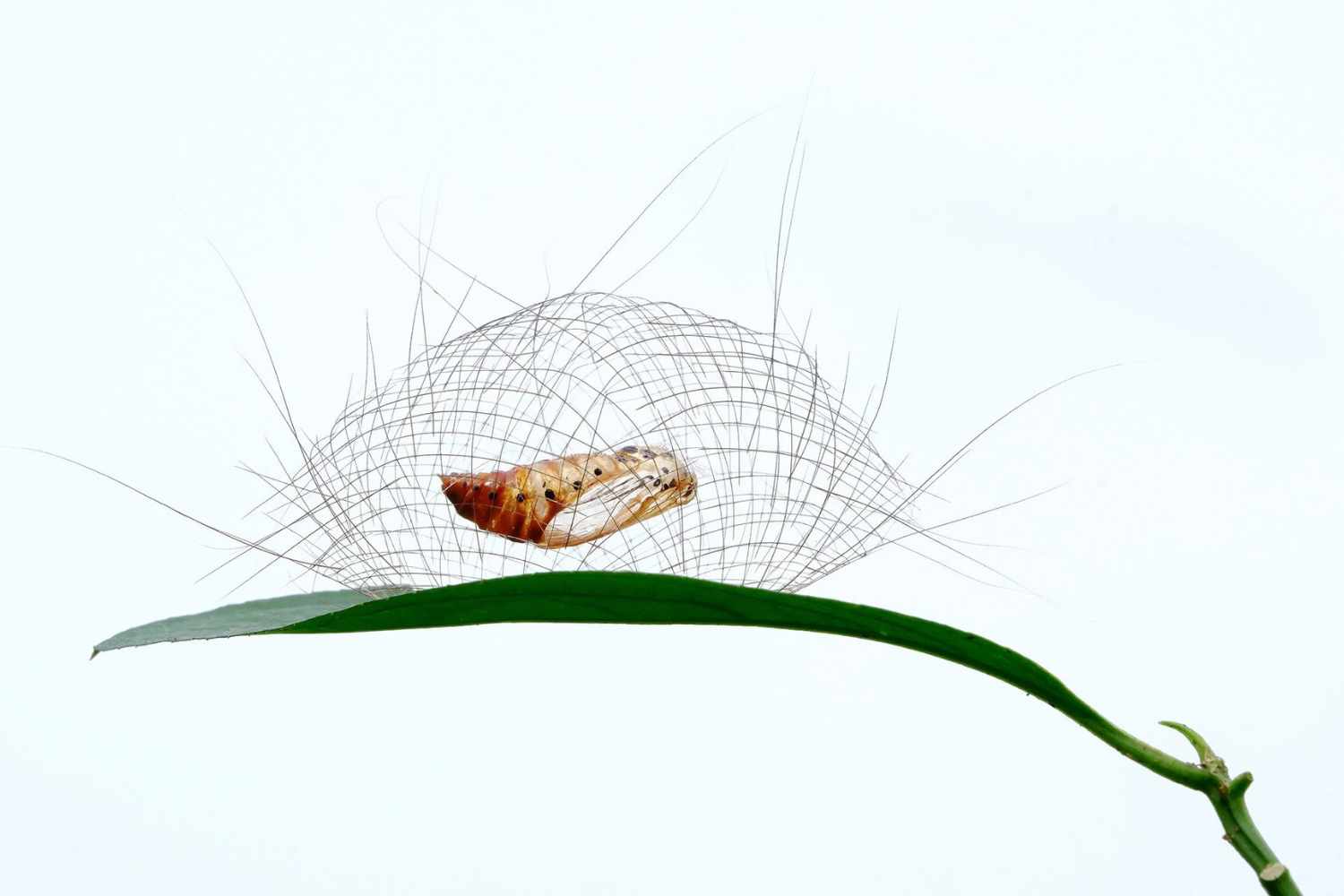
Silver to the Hungarian Reka Baranyi, bronze to the Spaniard Eduardo Salvador Cabrera.
Behavior, birds – Behavior, birds
At dawn on an April morning, in the Kraft Azalea Garden in Florida, Fenqiang Liu (USA) photographs a great white heron in flight, against the light: its wings open like a translucent fan between the treetops and the sun.
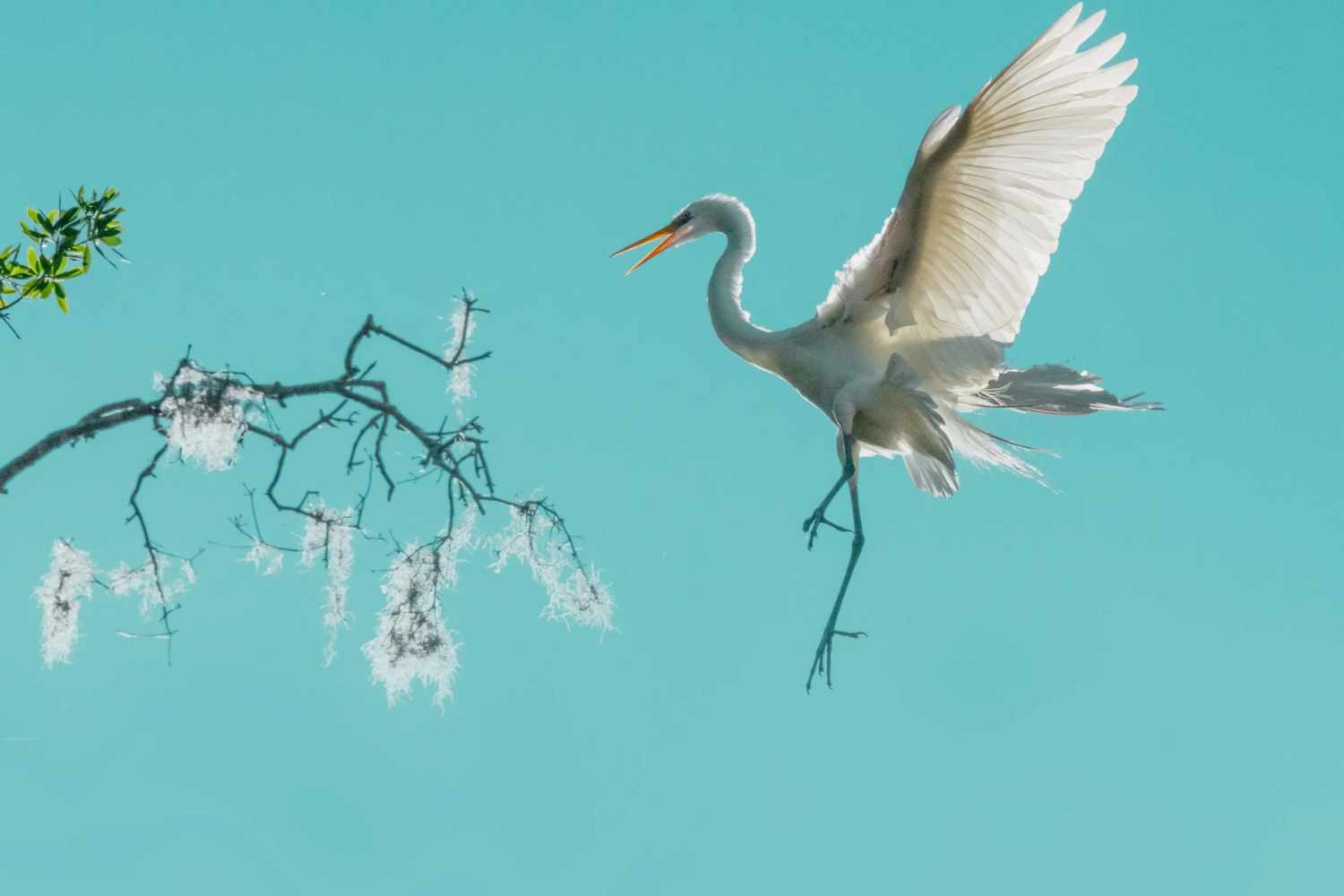
Silver to Britain’s Vince Burton, bronze to India’s Hemin Patel.
People and Nature – People and nature
After an overnight snowfall in Grand Teton National Park, Wyoming, an adult male elk approaches tripods left on the ground by retreating photographers. Deena Sveinsson (USA) still had the camera in her hand when the animal began to sniff the equipment with the same attention it had been inspecting the bushes earlier.
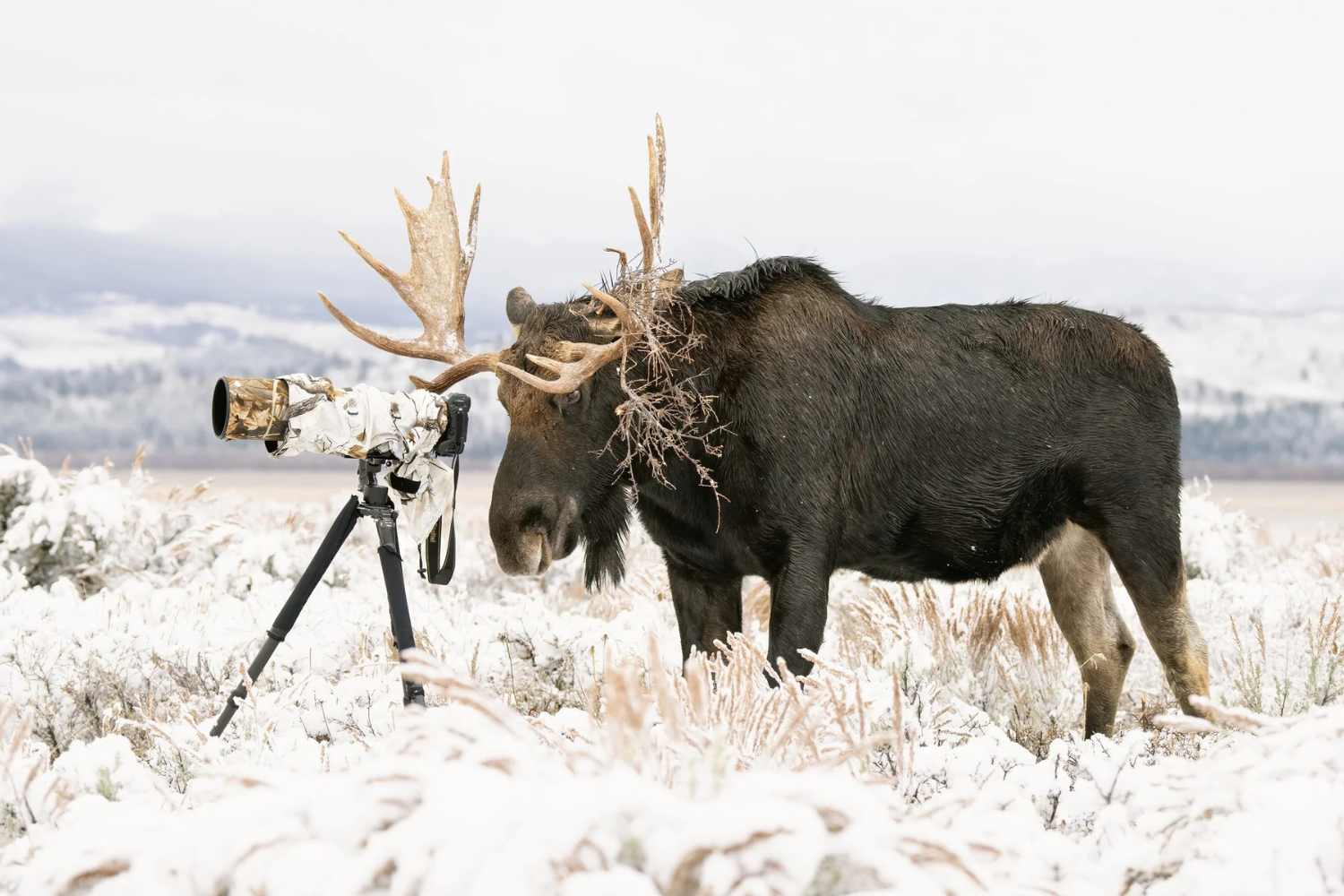
Silver to Bill Klipp (USA), bronze to Zhiyue Shi (China).
Plants and fungi – Plants and fungi
In Glen Affric, in the Scottish Highlands, Duncan Wood (UK) frames a birch tree covered in lichen in the chromatic explosion of autumn: yellows, oranges, bright golds. An intimate portrait of a tree that seems to have character.
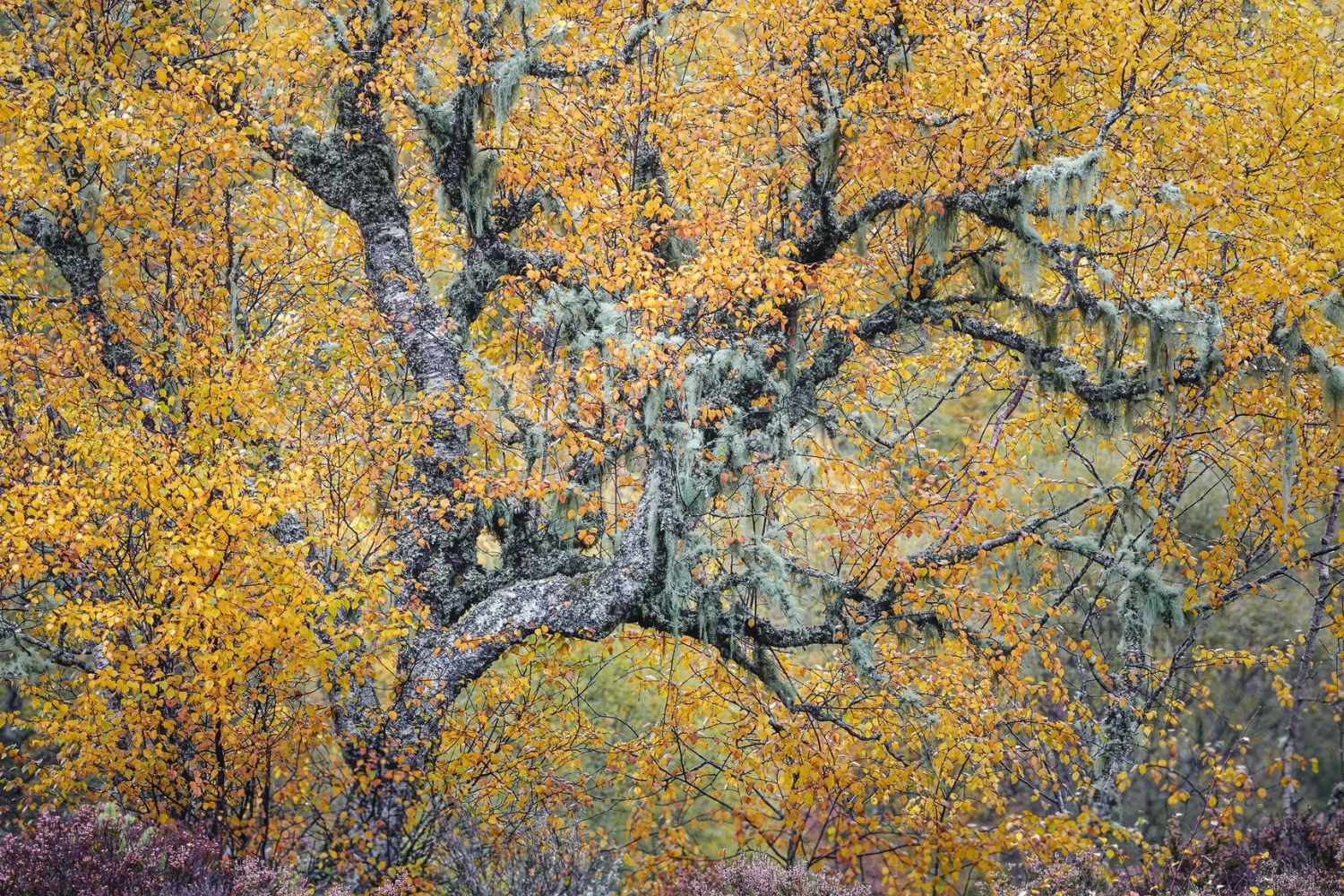
Silver to the Italian Giovanni Vicari, bronze to the Finnish Kai Hypen.
Nature Art – Art of nature
Ghost gobies grow up to two centimeters long and their body is almost completely transparent. Simon Biddie (UK) photographs one of them clinging to coral: to find it in the image you have to look carefully. Gold rewards a shot that is also a lesson in ecology, given that these small cryptic fish make up 70% of the fish biomass of coral reefs.
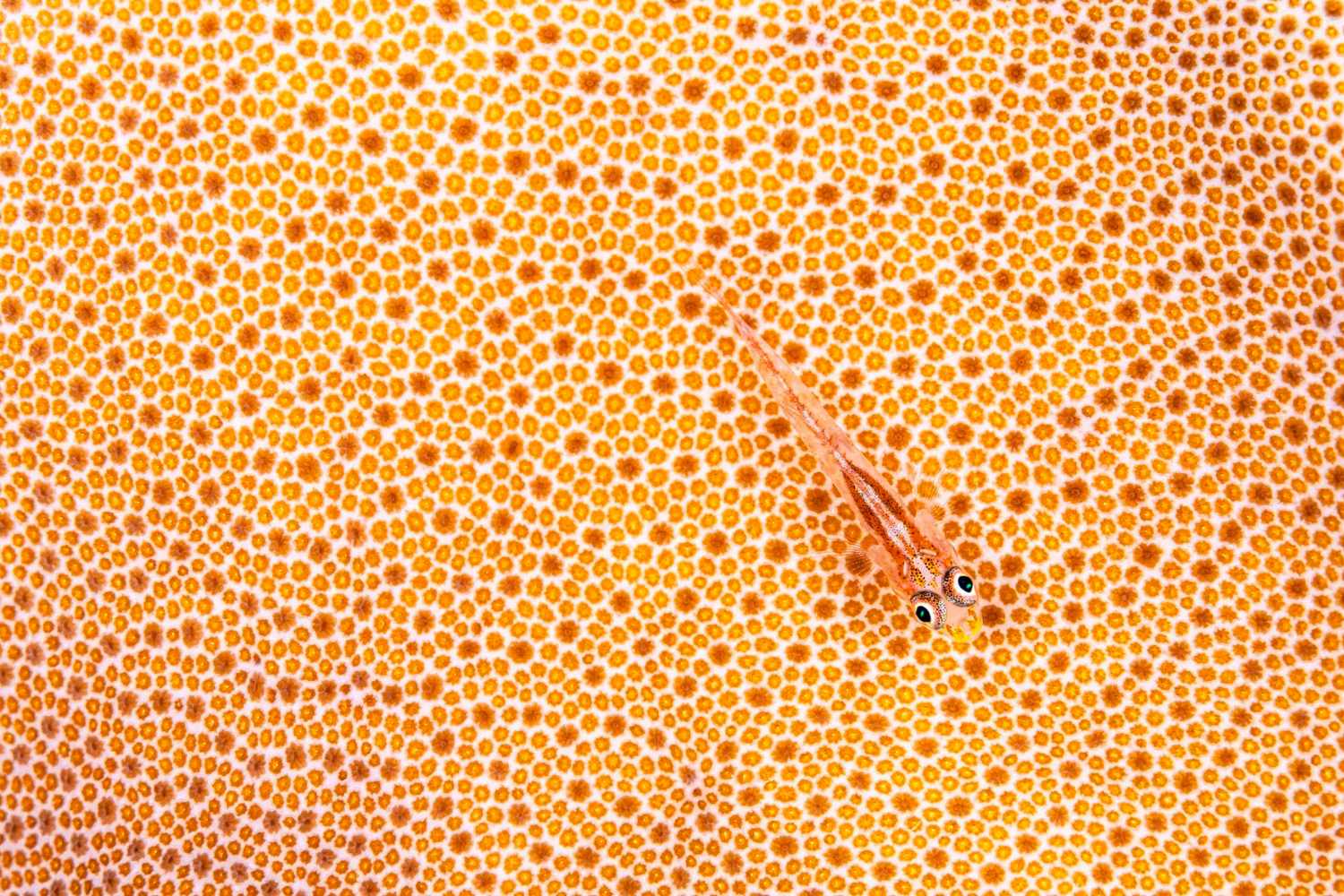
Silver to the Indian Indranil Basu Mallick, bronze to the Canadian Mark Bernards.
Planet Earth’s landscapes and environments – Landscapes and environments of planet Earth
From a drone’s perspective, the Hveravellir geothermal pool in Iceland takes on the shape of a dragon’s eye: the turquoise and deep blue hues of the source alternate with the white edges of the mineral deposits. Miki Spitzer (Israel) wins gold in the category.
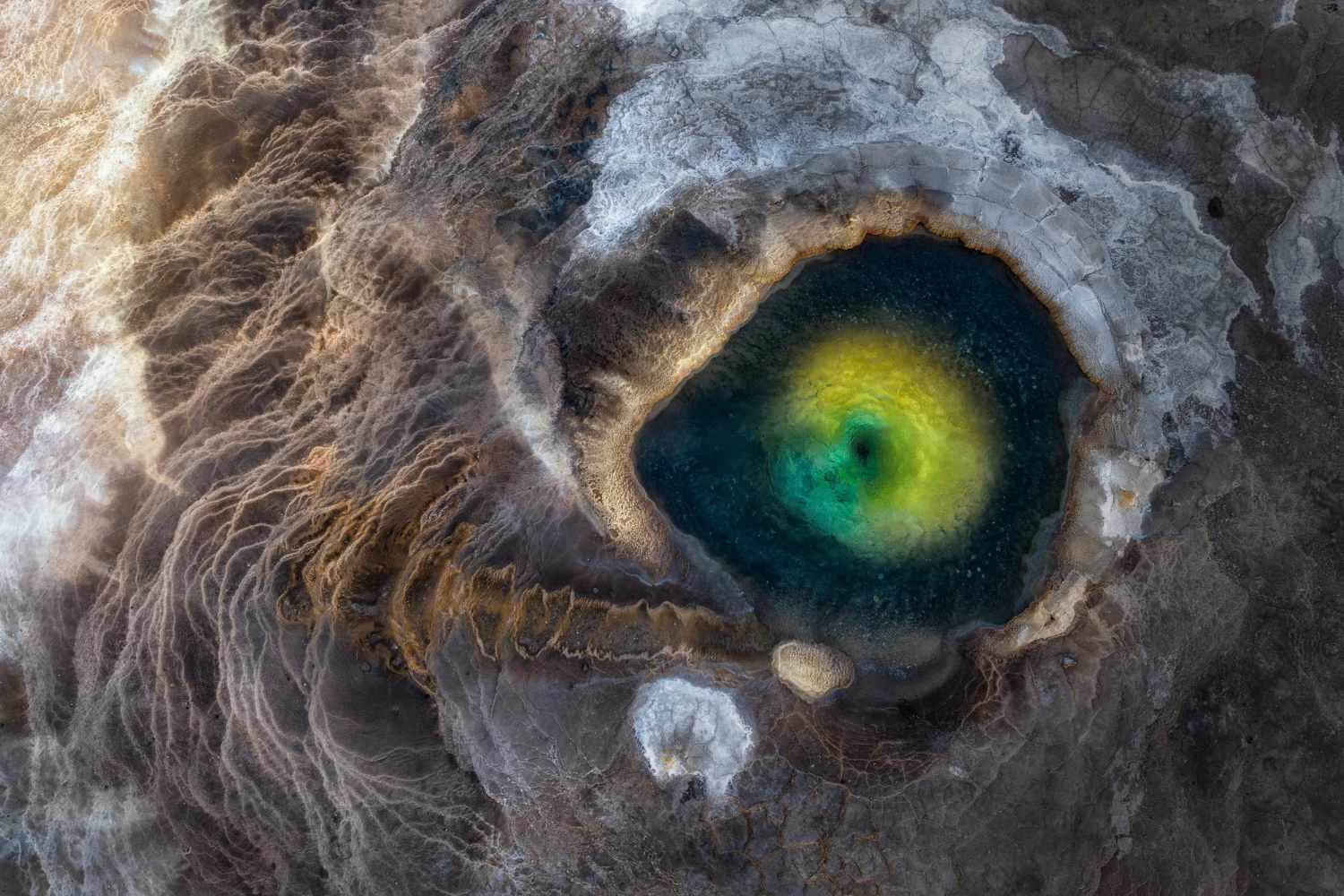
Silver to the Australian Stuart Chape, bronze to the Brazilian Thiago Campi.
Black and white – In black and white
Christopher Baker (USA) lies down on the ground to photograph from below an aquatic turtle perched on a log as it warms itself in the first rays of the morning. The black and white conversion enhances the textures of the carapace and bark.
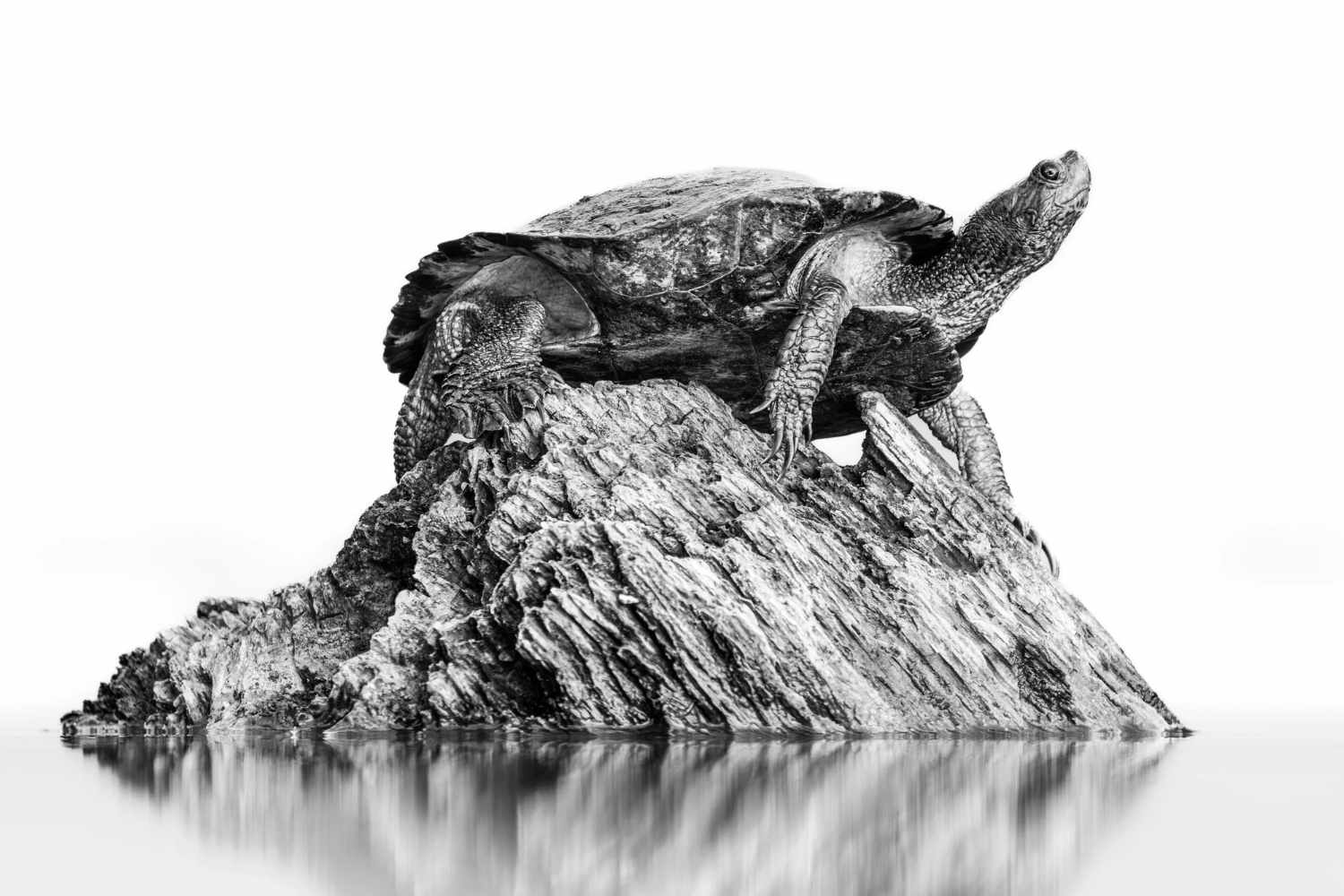
Silver to the British Ross Wheeler, bronze to the Emirates Preeti and Prashant Chacko.
Animals in their habitat – Animals in their habitat
Charlie Wemyss-Dunn (UK) walks two hours from base camp in Katmai National Park, Alaska, to reach a cliff. From there, from above, with a polarizing filter to eliminate reflections, he waits for a brown bear to launch himself into the stream towards the salmon. The shot wins first place.
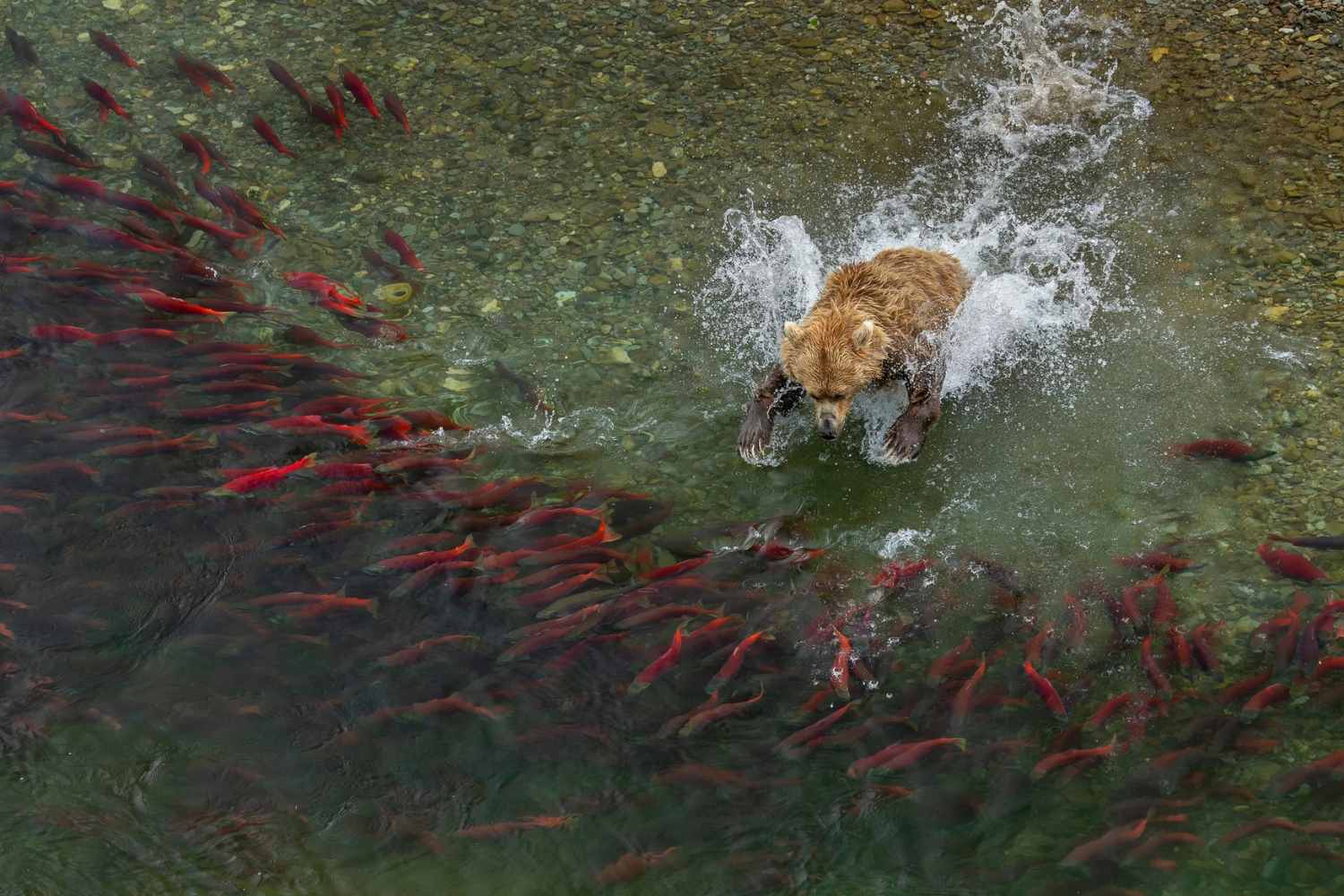
Silver to the British Jonathan Hodgetts, bronze to Harry Skeggs (UK).
Urban Wildlife – Urban wildlife
Near Churchill, Canada, a polar bear rummages through broken televisions, disused appliances and waste of all kinds. In 2024, the city’s main waste disposal center burned down, and bears — which spend more and more time on land due to shrinking sea ice — began to move closer to the fledgling landfills. Robert Gloeckner (USA) transforms this scene into a document on the connection between the climate crisis and human-wildlife conflict, and wins first place in the category.
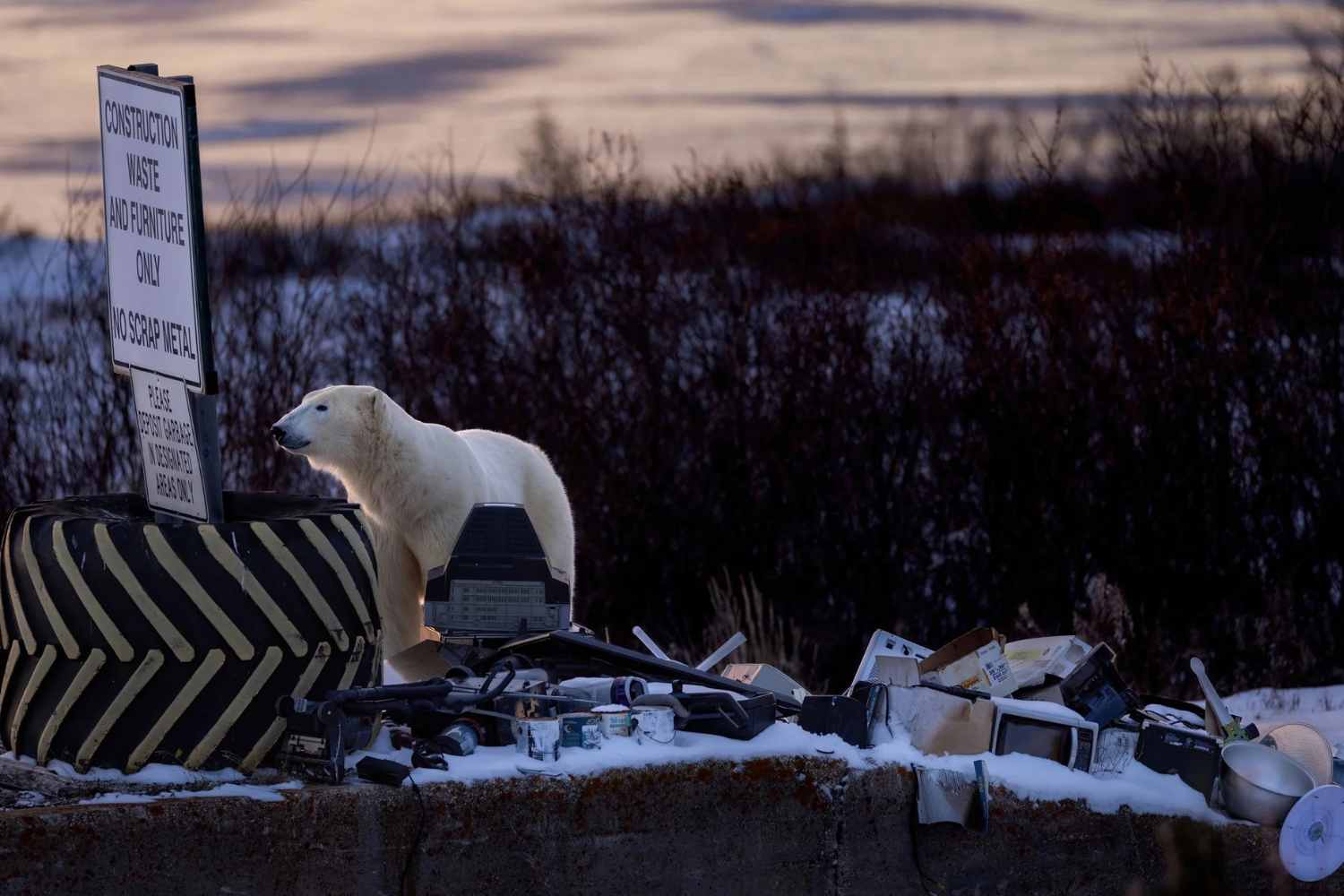
Silver to the Indian Arghya Adhikary, bronze to the Indian Rajarshi Banerji.
Nature Photojournalism – Naturalistic photojournalism
Kayla is a 37-year-old female chimpanzee who lives at the Save the Chimps sanctuary in Florida, the world’s largest private facility for abused captive chimpanzees, with more than 220 animals rescued from laboratories, circuses and television productions. The Belgian Alain Schroeder photographs her during a veterinary visit: her belly shaved for the ultrasound, socks on her extremities, a fur hat to prevent hypothermia. The image wins gold with truly incredible documentary strength
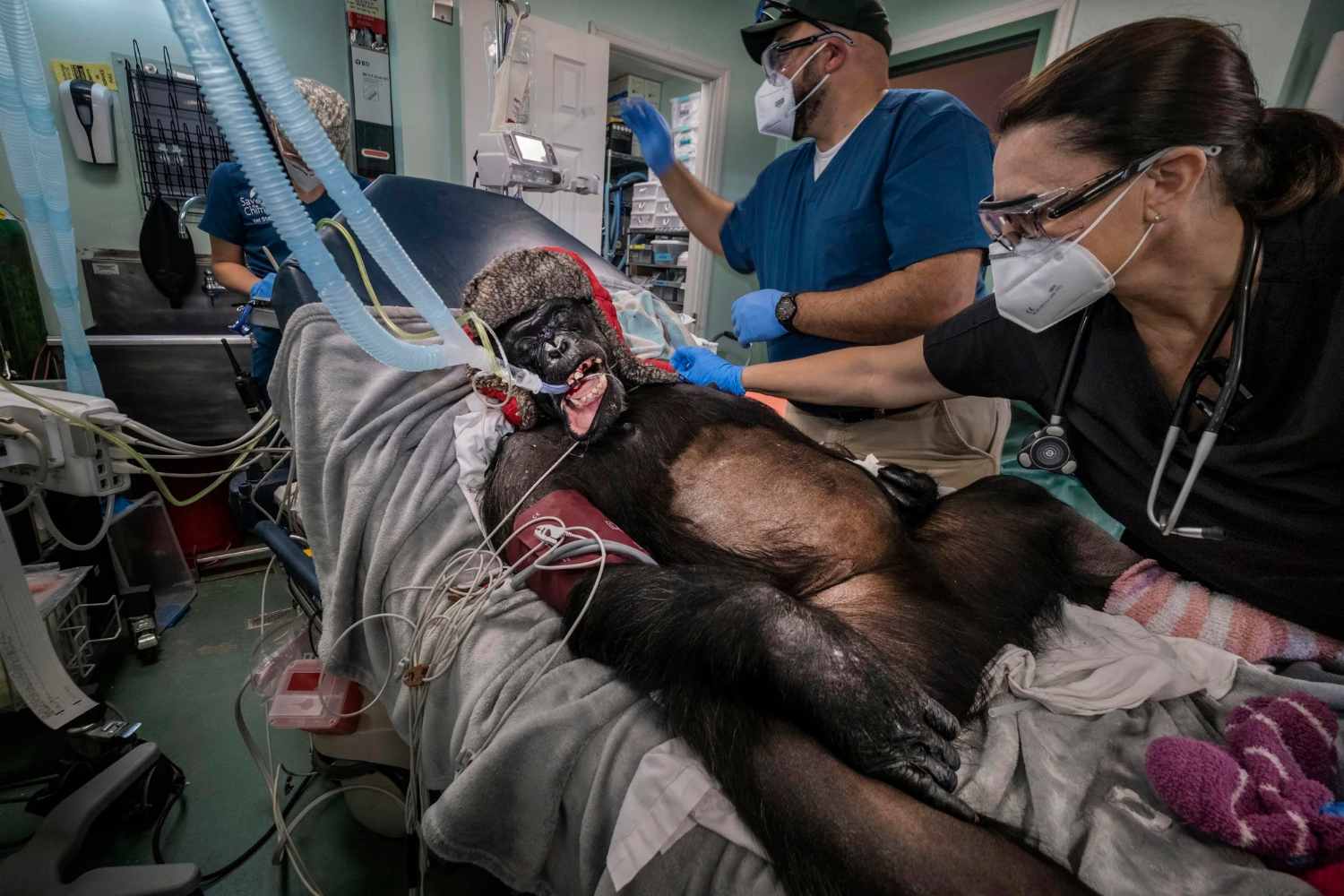
Silver to the Indian Sandesh Kadur, bronze to the Frenchman Jonathan Wosinski
