
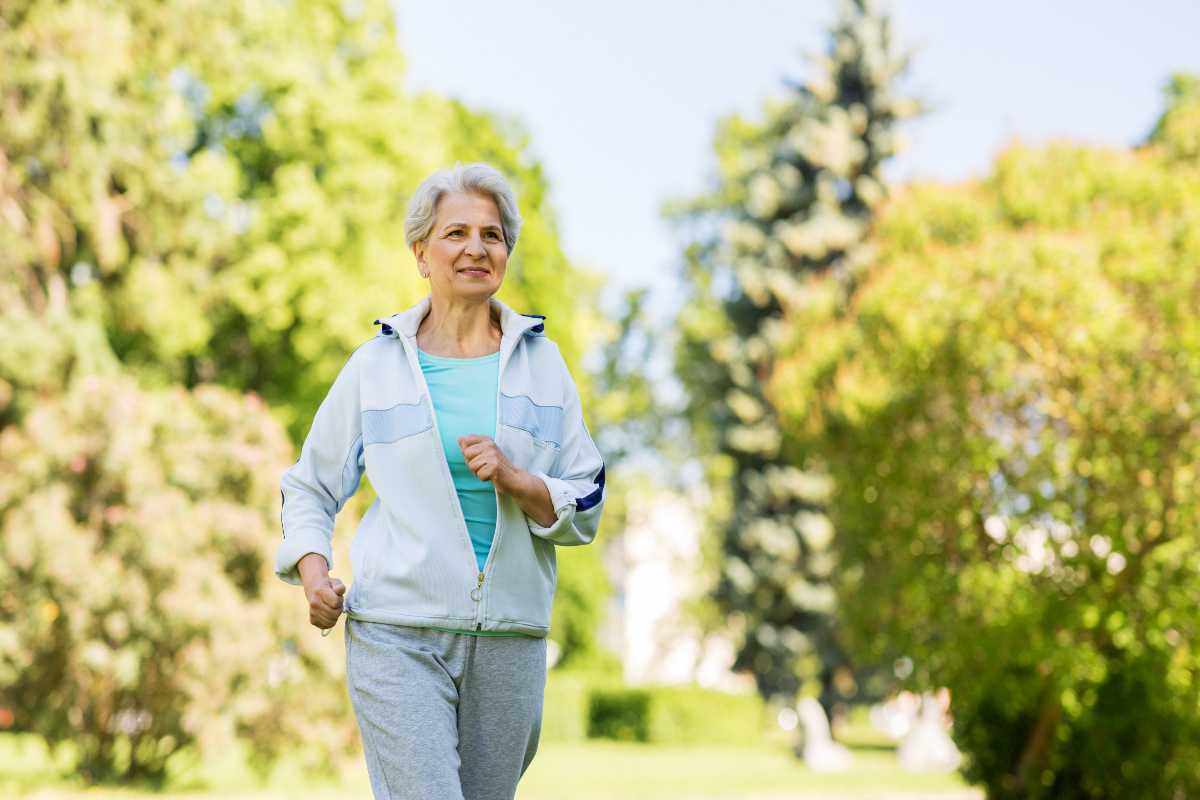
We know well, and we often mention it in our articles, that physical activity is the “secret” to a long and healthy life, and that it is essential to continue moving throughout your life, even when elderly.
Obviously the temper and resistance that we may have at twenty or thirty years old is not the same as that we will have at sixty or seventy years old. As the years pass and the changes our body undergoes, our physical activity must also change.
What is the most suitable type of training to stay healthy when you are over sixty? The researchers asked themselves thisUniversity at Buffaloproving that you don’t need to walk miles every day to feel good.
The study
To reach these results, the researchers selected a sample of almost 6,000 US women aged between 63 and 99.
For each woman, the physical activity performed, the time spent in sedentary activities (such as watching TV or reading) and the risk of heart failure were tracked.
All participants in the study wore an accelerometer on their hip in order to measure the time and type of physical activity performed, which was classified by the researchers into:
As regards the risk of heart failure, however, the study took into account the most common type of disorder, namely heart failure with preserved ejection fraction (HFpEF).
This is a very common disorder, especially in older women, and there are currently few established treatment options – which makes the role of primary prevention even more important for a good quality of life.
During an average follow-up of 7.5 years, 407 cases of heart failure confirmed by clinical diagnosis were identified among the participants.
The results
Comparing the data relating to the type of physical activity performed and those relating to the risk of heart failure, it was seen that this risk was, on average, 12% lower for every 70 minutes per day spent in light intensity activity and 16% lower for every 30 minutes per day spent in moderate to vigorous intensity activity.
In contrast, every hour and a half of sedentary behavior was associated, on average, with a 17% greater risk of suffering from heart failure.
In older women, higher amounts of moderate-intensity activity are associated with a lower risk of developing heart failure with preserved ejection fraction, regardless of demographic and clinical factors associated with heart failure risk – explains Michael LaMonte, one of the authors of the study.
But it’s not enough to encourage people to do physical activity – it’s essential to give them advice on what to do and for how long to do it.
For this reason, researchers have identified a type of physical activity, or rather a number of steps, ideal for lowering the risk of developing heart failure.
Communicating how much activity is always a challenge to incorporate as part of clinical and public health recommendations,” LaMonte further explains.
Daily steps are easily understandable and can be measured by a variety of consumer-level wearables to help people track their physical activity levels.
According to researchers, taking 2,500 steps a day is enough to significantly reduce the risk of developing heart failure.
It is interesting to learn that the intensity of the step does not influence the effectiveness of the walk, which can therefore be carried out profitably even by less trained people or by those who have some walking problems.
2,500 steps a day: easier than you think
The good news is that 2,500 steps doesn’t require a dedicated walk: in most cases, the normal activities of the day are already enough to reach them without even realizing it.
Shopping at the supermarket, walking down the aisles and returning to the car, equates to approximately 800-1,000 steps. Taking the dog out even for just 15 minutes adds another 1,500. Preparing lunch and tidying up the kitchen is worth around 300-400. Going up and down the stairs at home several times during the day contributes another 200-300 steps.
In practice, a normal day at home — even without going out — can get very close to the 2,500 step threshold. Small precautions are enough: parking a little further away, preferring the stairs to the lift, getting up from the sofa during advertising. The goal, in this case, is truly within everyone’s reach.
How to track your steps: the simplest and most reliable tools
Knowing how many steps you take every day is the first step – it should be said – to start improving. Today there are tools for every need and price range.
Smartwatches and fitness trackers such as Fitbit, Garmin or Apple Watch are the most precise and complete: in addition to steps, they measure heart rate, calories and sleep quality. They are ideal for those who want a complete picture of their health, but require some familiarity with technology.
Fitbit Inspire 3 fitness and wellness tracker with up to 10 days of battery life and compatible with Android and iOS, midnight black
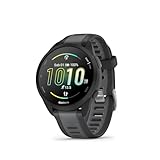
Garmin Forerunner 165, Running Smartwatch, 43mm, GPS, Cardio, VO2max, Morning Report, HRV Status, Free 5K, 10K & 21K Plans, Training Readiness, GarminPay (Black & Slate Gray)
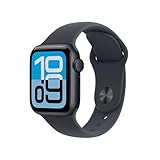
Apple Watch SE 3 GPS, 40 mm midnight aluminum case with midnight Sport Band – S/M
Traditional pedometers are the simplest solution: they clip on your belt or keep in your pocket and count your steps without the need for configurations or smartphones. They cost a few euros and are perfect for those who want an immediate and uncomplicated tool.
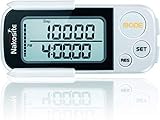
NAKOSITE the best step counter and calorie pedometer for women, men and children with strap and clip. Walking distance calculator (kilometers & miles), exercise mode, daily performance tracking, 30 days memory, built with three-axis technology (sensor-based, white, and easy-to-read digital display
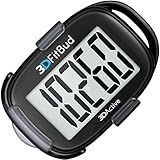
3DFitBud Simple 3D Pedometer by 3Dactive with Clip Lanyard Accurate Step Counter Large Display Easy to Use for Kids Men Women Adults Elderly Step Tracker A420S – Black
3D Digital Pedometer, Mini Portable Daily Monitoring Pedometer with CILP, Daily Target Monitor for Sports Fitness and Training, for Elderly Men and Women
The smartphones that most of us already carry in our pockets often have a pre-installed health app — like Health on iPhone or Google Fit on Android — that automatically counts your steps throughout the day, without you having to do anything. Just check the data at the end of the day.
For those starting out, the advice is to start with the tool you already have available: even an approximate measurement is more useful than no measurement at all.
Light or moderate activity: how to recognize them in everyday life
The study distinguishes two levels of intensity of physical activity, both beneficial for the heart, but with slightly different effects. Understanding the difference helps you organize your day better.
Light physical activity includes everything that makes us move without getting tired: dressing and washing, dusting or vacuuming, watering plants, cooking, shopping, walking slowly. These are movements that do not accelerate breathing perceptibly and that we can carry out comfortably by speaking.
Moderate to vigorous physical activity, on the other hand, requires a little more effort: walking at a brisk pace (about 5-6 km/h), climbing stairs, active gardening such as digging or raking, dancing, cycling on flat paths, swimming slowly. The sign that you are in the moderate zone is simple: your breathing becomes more frequent, but you can still speak without too much difficulty.
According to the study, even just 30 minutes a day of moderate activity reduces the risk of heart failure by 16%. You don’t need a gym: a brisk walk after lunch, or half an hour of gardening in the afternoon, already produces measurable results on heart health.
Sources: JAMA Cardiology / University at Buffalo
We also recommend:
