
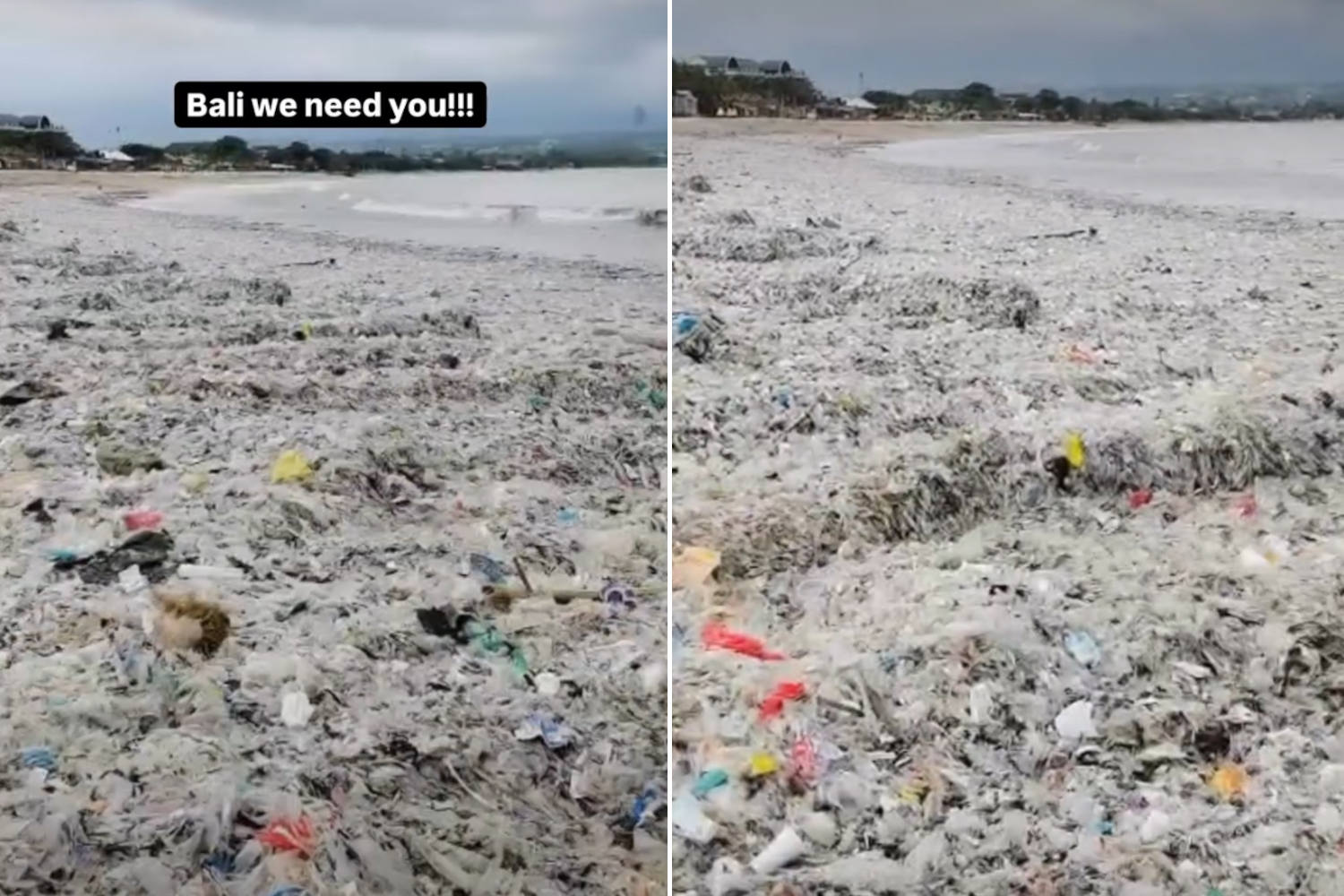
In recent months, Kedonganan beach in Bali has become the symbol of an extraordinary environmental mobilization. Every week, at dawn, hundreds of people showed up on the sand at seven in the morning to participate in the cleanup operations. Not tourists looking for spectacular photographs, but volunteers determined to protect the ocean and defend the island’s ecosystem.
This wave of solidarity was led by Sungai Watch, the environmental organization founded in 2020 by brothers Gary, Kelly and Sam Bencheghib, who grew up in Bali. Their idea was as simple as it was revolutionary: install floating barriers in rivers to intercept waste before it reaches the sea.
View this post on Instagram
An enormous job that lasted months
Thanks to the commitment of the volunteers and their team, Sungai Watch managed to remove an impressive amount of waste. Over 115,000 kilograms of plastic were collected on Kedonganan beach alone in just three months. A result that almost seems like a victory. The beach slowly began to breathe again, while the local community demonstrated how collaboration can become a concrete force against pollution.
A single storm changed everything
But nature, together with the structural problems linked to waste management, has reminded us of how fragile this balance is. A strong sea storm brought a new wave of plastic back to the coast, erasing in a few hours part of the work carried out with difficulty in the previous months.
A single series of more intense waves was enough to drag tons of debris from rivers and sea currents onto the beach. A scene that brought the emergency back before everyone’s eyes. However, the Sungai Watch team immediately mobilized. Volunteers and operators returned to the field to manage the environmental emergency, monitor the situation and organize new cleaning operations.
Their mission is not limited to collecting waste. The goal is to change the system, stopping plastic before it reaches the ocean thanks to barriers installed in waterways and constant awareness-raising work. The Kedonganan story demonstrates how the fight against pollution requires continuous commitment and collective collaboration. But it also demonstrates something else: when a community decides to take action, it can transform a beach into a global symbol of environmental resistance.
View this post on Instagram
The marathon to save Indonesia’s rivers
Faced with this situation, Sungai Watch does not stop. The organization announced a great environmental marathon across Indonesia, an ambitious project designed to expand activities along the most polluted rivers in the country. The initiative provides 25 kilometers a day for 57 days, with the aim of raising one million dollars to install new barriers and strengthen cleaning operations. The project was prepared for over three years, but the team has decided to move forward: pollution is not slowing down and the response must be immediate. The countdown has already begun. This long race through Indonesia will begin on March 28th. It will not just be a sporting challenge, but a symbolic journey to save rivers, beaches and oceans from plastic.
View this post on Instagram
You might also be interested in:
