
The day Japan stopped was March 11, 2011. At 2:46 pm, the country was hit by the country’s most powerful earthquake ever recorded: magnitude 9 in the Pacific Ocean, off the northeastern coast. Forty minutes later the second wave of tragedy arrived. A tsunami with walls of water over ten meters high – in some places almost forty – overwhelmed coastal cities and infrastructure.
Among these was the Fukushima Daiichi nuclear power plant. The reactors automatically shut down after the earthquake, as foreseen by the safety systems. But the water swamped the diesel generators that were supposed to power emergency cooling. Without electricity, the plant went into total blackout: the most feared condition in a nuclear reactor.
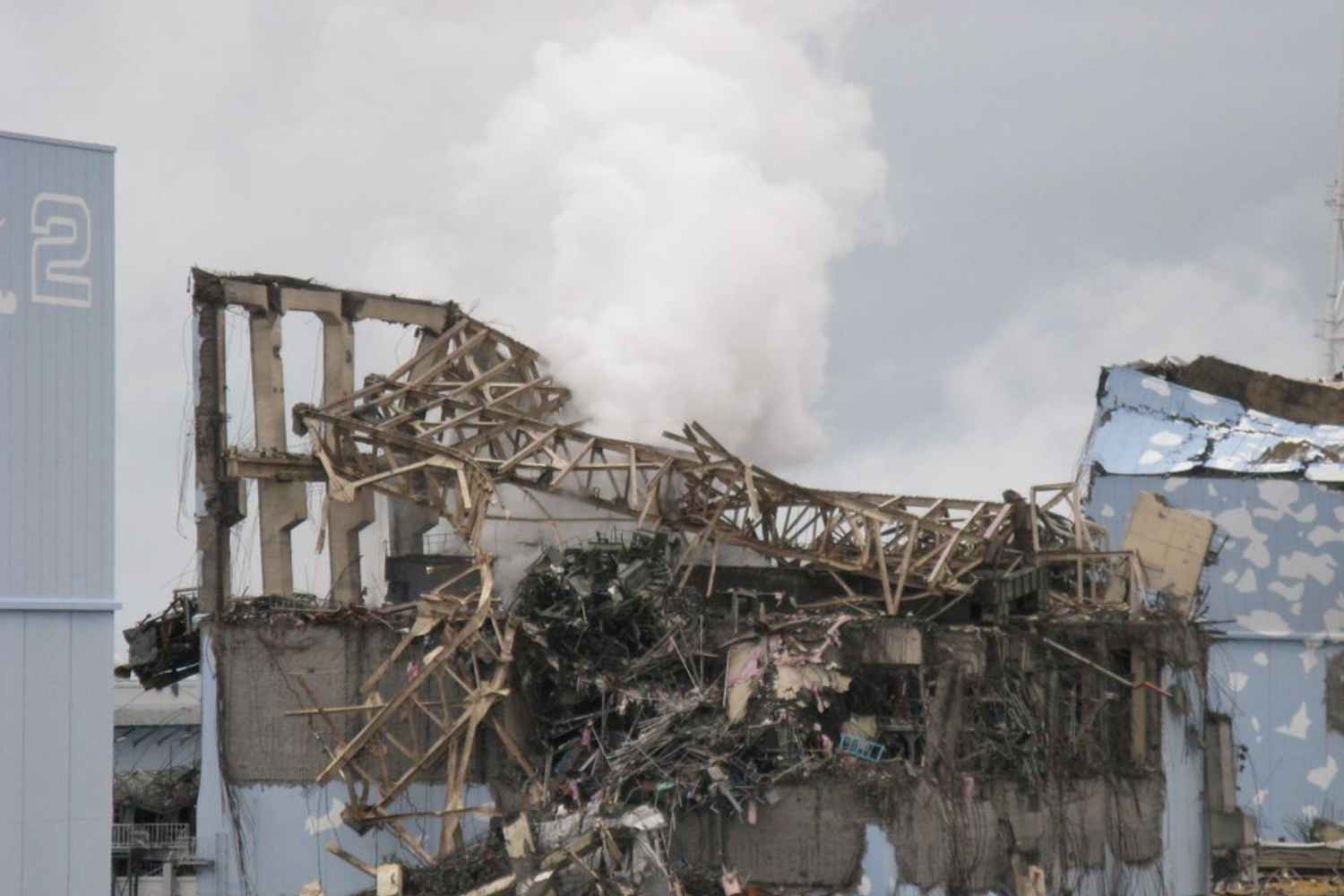
In the following days, between March 12 and 15, the fuel in reactors 1, 2 and 3 overheated until the core melted. The so-called meltdown. The accumulation of hydrogen then caused four explosions which uncovered part of the plant’s buildings. The images went around the world.
The release of radioactive material forced authorities to evacuate a 20 kilometer area around the plant. More than 160 thousand people left their homes in the space of a few days. Many never returned.
Even today, fifteen years later, over 24 thousand residents are unable to return permanently to the most contaminated areas. Entire neighborhoods remain suspended in a kind of stopped time: abandoned schools with books on the desks, rusty bicycles in the courtyards, houses that are slowly being swallowed up by vegetation.
The decontamination mainly involved inhabited areas: an immense effort that produced approximately 15 million cubic meters of radioactive soil removed and accumulated in temporary deposits. The forests that cover much of the region, however, have remained largely intact. And that’s where radioactive cesium continues to circulate in soil, leaves and wild animals.
Nature returning
With humans almost extinct, wildlife has reconquered many spaces. Wild boars, raccoons and even black bears move freely among abandoned streets and gardens. Some studies suggest that animal populations have not only not collapsed, but in several cases have increased.
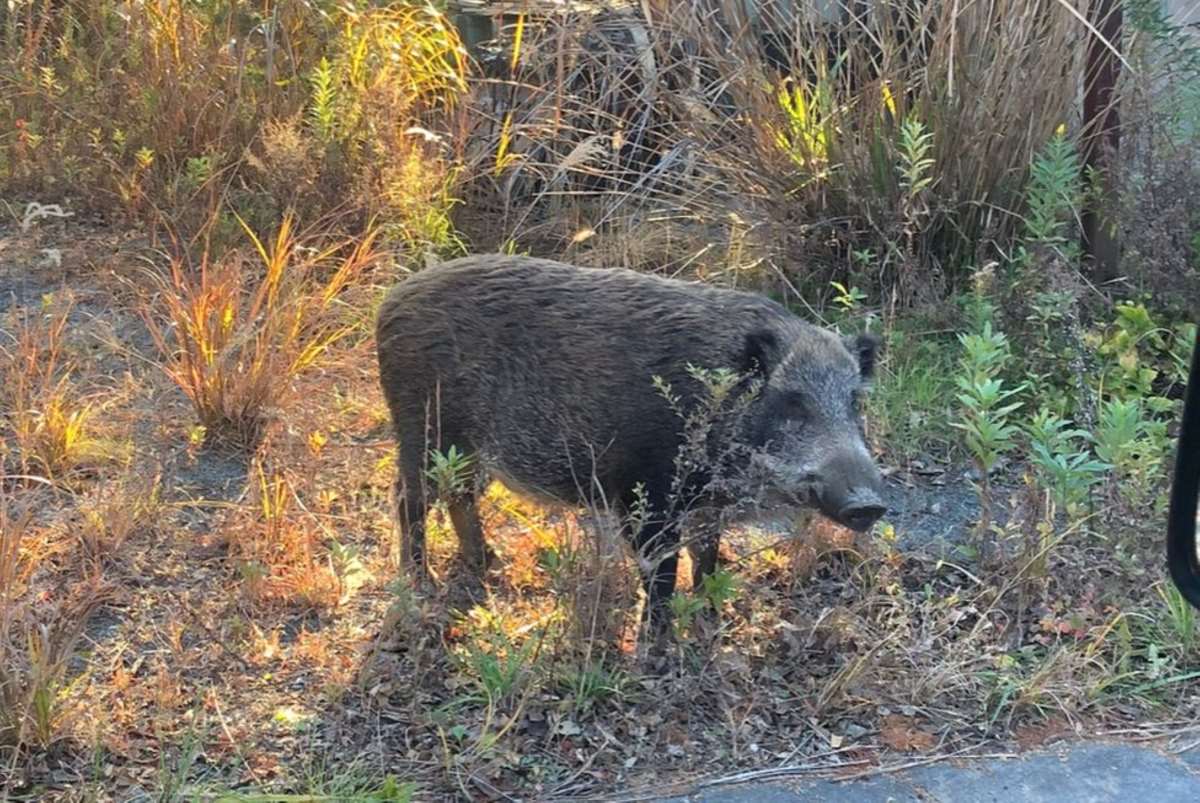
It is a paradox typical of territories affected by nuclear accidents: the human presence is drastically reduced and nature takes advantage of this unexpected respite. But the phenomenon also opens up a political and social question. What to do with these lands when – and if – they become habitable again?
The 880 tons of radioactive debris that remain
The real challenge, however, is inside the power plant. Approximately 880 tons of molten fuel and highly radioactive debris remain in the destroyed reactors. It is the unresolved center of the disaster.
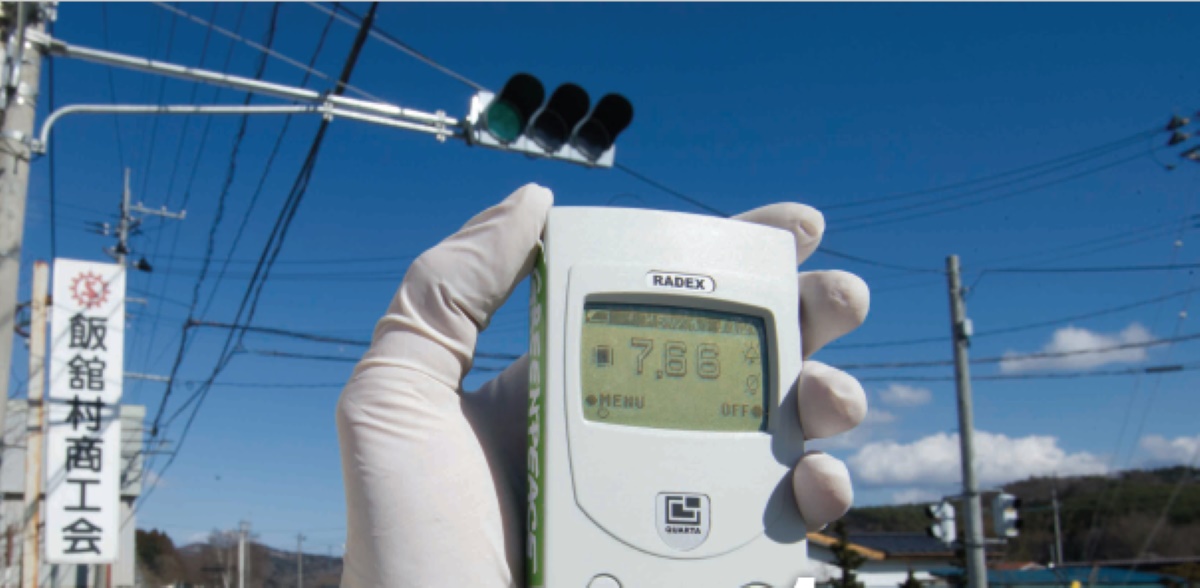
Removing that material is a technologically unprecedented operation. Radiation levels are so high that direct human intervention is impossible: cleanup depends on robots and machines designed to withstand extreme environments.
The dismantling process is expected to take decades. According to the most optimistic estimates, it could take at least thirty years to complete the removal of the most dangerous materials.
A legacy that still weighs heavily
Meanwhile, Fukushima continues to shape the Japanese energy debate. After the disaster the country had shut down almost all nuclear power plants. But in recent years, thanks to the global energy crisis, the government has begun to gradually reactivate some reactors.
The memory of 2011, however, remains very vivid. In statistics and technical reports, as well as in the stories of those who have lost loved ones, homes and jobs. It is a part of one’s identity.
Fifteen years later, Fukushima is a contaminated place to be cleaned up and, at the same time, an involuntary laboratory on the relationship between technology, risk and environment. A permanent reminder of how long the shadow of a nuclear accident can be.
You might also be interested in:
