
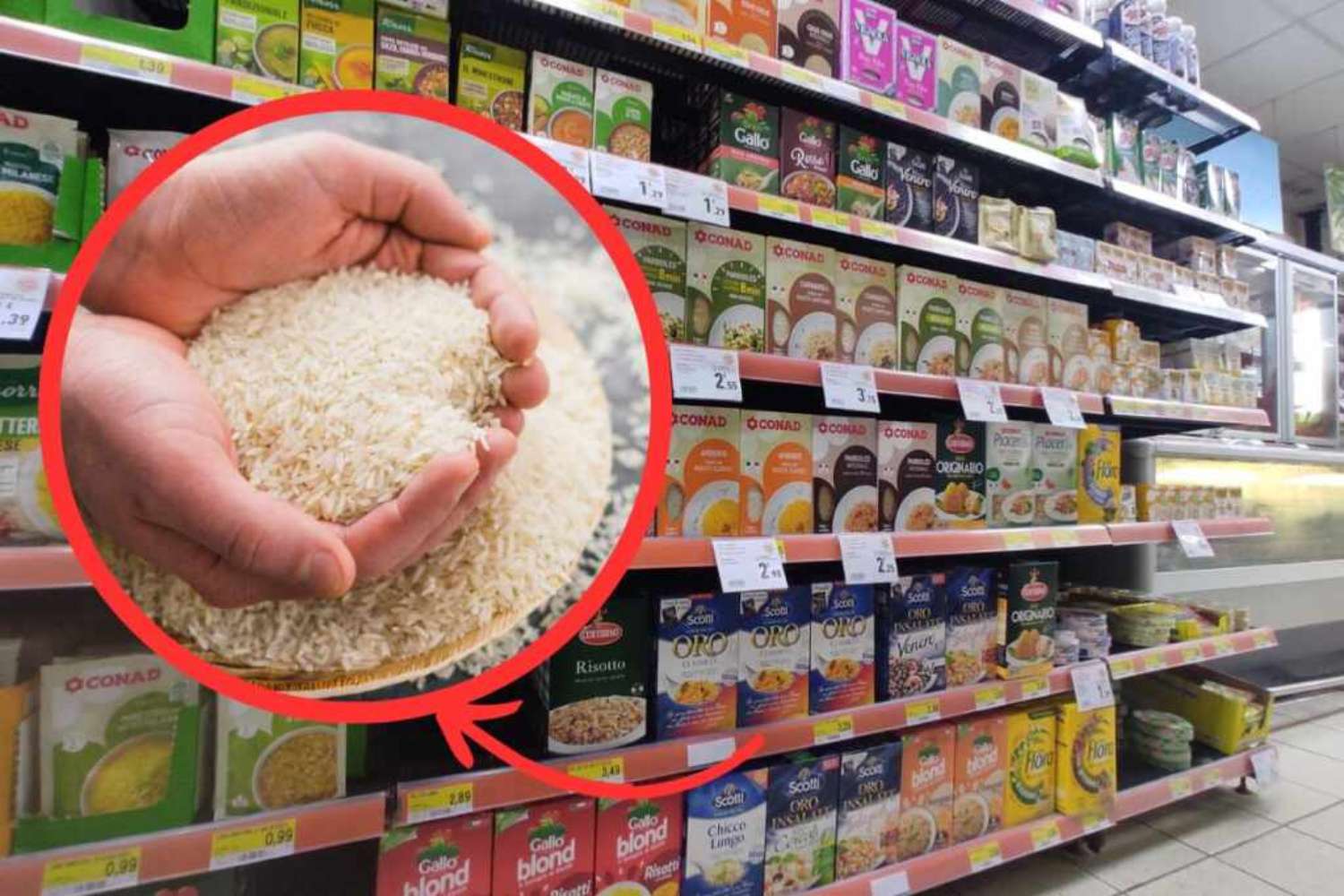
Italy is the leading producer of rice in Europe, with a variety of cultivars that is the envy of many: Carnaroli, Arborio, Vialone Nano, just to name a few. Yet, also thanks to the growing popularity of Asian restaurants, basmati remains one of the most loved rices in our country too. And here comes the problem: we can’t produce it, so we are forced to import it.
Basmati almost always comes from Pakistan and India, with all that this entails. Starting from the use of pesticides, which in those countries follows very different rules from those in Europe. In 2024, out of 191 unsafe alerts issued for rice imports, 60% concerned shipments from these two countries, with irregularities mainly linked to substances banned in the European Union.
Added to all this is the environmental impact of a product that travels thousands of kilometers before arriving on our tables: long-distance shipping by ship contributes significantly to CO₂ emissions, making imported basmati anything but light from an ecological point of view.
But why can’t we grow it in Italy? And are there local alternatives? Let’s try to clarify. But first let’s understand what basmati is.
Basmati rice
Basmati is a rice of the Indica variety, famous for its long, thin and slightly tapered grains. It grows in tropical and subtropical climates, fundamental conditions for developing its delicate and persistent aroma.
In Europe, commercialized basmati mainly includes nine Indica varieties, grown almost exclusively in the plains at the foot of the Himalayas, between the Indus and Ganges rivers. Here the climate, humidity, precipitation and the unique composition of the alluvial soils create the optimal conditions to obtain the aromatic profile and distinctive texture of the product. Centuries of agricultural tradition and consolidated cultivation methods have also contributed to perfecting these varieties, making them appreciated throughout the world.
Basmati is considered the aromatic rice par excellence. During cooking, the grains stretch almost double in length without swelling in width, remain al dente and shelled, and do not stick together, characteristics that make it perfect for dishes such as pilaf, curry and biryani.
Because basmati is not grown in Italy
The answer is all in the environment. True basmati grows well only in very specific conditions, which are found almost exclusively in the plains at the foot of the Himalayas. All the factors that make this rice what it is are concentrated there: a tropical climate with well-distributed rainfall, a strong temperature range between day and night which is fundamental for the development of aromas, alluvial soils with a completely peculiar mineral composition, and the water of the Himalayan basins, rich in specific minerals. Added to all this are centuries of cultivation techniques and traditions handed down from generation to generation.
In Italy almost all these conditions are missing. Our climate is temperate, not tropical, and even in the hottest rice-growing areas of Piedmont and Lombardy temperatures and humidity do not reach the necessary values. Consequently, it is not cultivated in our country simply due to a question of latitude and different ecosystem.
The Italian alternatives to basmati
In recent decades, Italian agronomic research has not stood still and watched. Knowing that the market increasingly required long-grain aromatic rices, some hybrid varieties were developed, born from the cross between Asian rices and consolidated Italian varieties. The result is the so-called Italian aromatic rices, which are often found on the market with evocative names such as Apollo, Asia, Brezza, Elettra and Gange, but generally labeled simply as “aromatic rice”.
These are varieties of the Chicco Lungo B category which represents a generic category including the rices mentioned above. Similar to Basmati in shape and cooking yield, they are easily found in supermarkets and discount stores. And although they are not true Basmati, they still offer a practical and zero kilometer alternative for those looking for an aromatic Italian rice.
These varieties share some interesting characteristics with basmati: the long and thin grain, an aromatic scent and a good cooking resistance with the grains remaining shelled and not sticking together. But the differences remain evident. They elongate less during cooking, the aroma is generally less intense and persistent, and the beans are slightly larger and less thin.
For this reason these varieties cannot be marketed with the name “basmati”: despite having characteristics that bring them closer to Asian rice, they do not reach its organoleptic qualities. As the National Rice Authority also recognises, excellent aromatic rices are grown in Italy, but they are not the same thing. The market for these varieties remains niche, even if some companies are investing to make it grow.
Sources: National Rice Agency
