
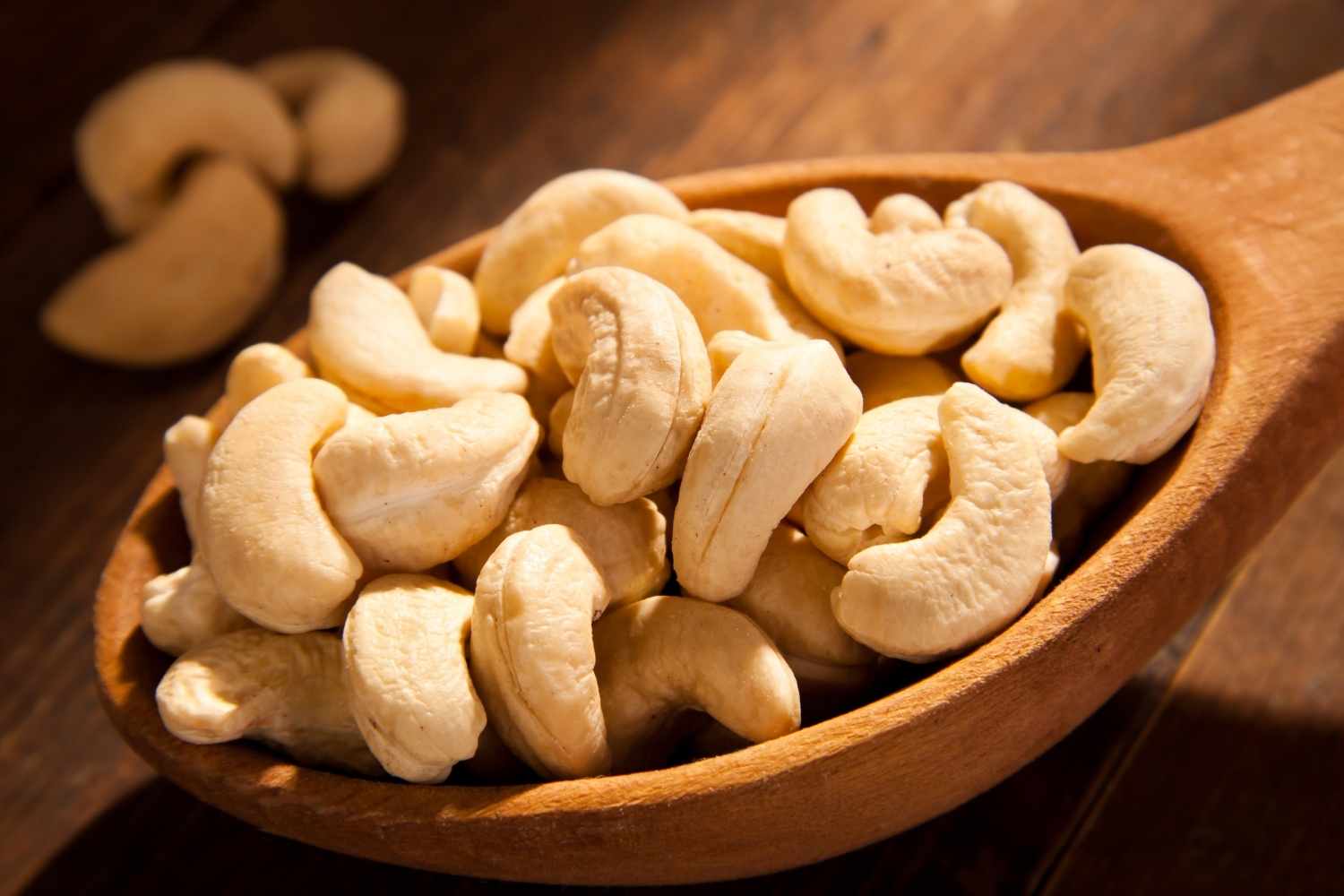
Finding the right balance between health, well-being and adequate energy levels seems like a difficult goal to achieve, especially if you want to respect a rigorous diet, away from processed and genetically modified foods. Luckily we have nutrition specialists, always ready to find the latest discoveries in terms of efficiency and quality, who, in recent times, have rediscovered one, bringing attention to an oily seed with exceptional properties, namely cashews. A food that has been consumed for centuries all over the world and which is too often underestimated, despite being a real superfood in terms of versatility and beneficial properties, capable of providing an energy boost comparable to that of coffee, rich in proteins, vitamins, mineral salts and more, and which could represent a valid alternative to cocoa in the preparation of drinks and snacks.
How foods gain notoriety over time
The history of nutrition teaches us that many foods have existed for millennia before man discovered their real potential. Coffee represents perhaps the most emblematic example: the Coffea arabica plant grew spontaneously in Ethiopia well before, according to legend, the shepherd Kaldi noticed the energizing effect of its red berries on goats. The Ethiopians were among the first populations to consume raw beans, appreciating their stimulating properties, and only later, thanks to trade and colonial expansions, did coffee reach first Yemen and then the West, where it conquered the entire world.
Likewise, cashews have been used by humans for a long time. Native to the Amazon forests of Brazil, cashew seeds were introduced to India and Africa by Portuguese navigators in the 16th century. Since then, cultivation has spread to numerous tropical regions, where they are appreciated both for their delicate taste and nutritional properties.
Cashews: a superfood rediscovered by nutritionists
Cashews – the scientific name of the plant is Anacardium Occidentale, belonging to the family of Anacardiaceaethe same as, among others, pistachio and mango – are experiencing a true renaissance in the panorama of modern nutrition. Experts underline how these oil seeds can offer a prolonged energy supply, similar to that of coffee but without the side effects linked to caffeine. For years, cashews were appreciated primarily for their flavor, while today the scientific community recognizes their value as a natural energy source.
The nutritional profile of cashews
To fully understand the energy potential of these seeds, it is necessary to analyze their composition. Cashews are rich in monounsaturated fats (mainly oleic acid), plant proteins, B vitamins and essential minerals.
According to a study published in NCBI, cashews provide important quantities of magnesium and copper, minerals essential for cellular energy production and energy metabolism:
The aforementioned research even demonstrated how the metabolizable energy provided by cashews was lower than previously thought, a fact that makes them even more interesting from a nutritional point of view. Unlike caffeine, which causes a rapid energy spike followed by an equally sharp drop, cashews release energy gradually and steadily, a phenomenon possible thanks to the combination of healthy fats, proteins and complex carbohydrates that are slowly digested by the body.
How to integrate cashews into your daily diet
The versatility of cashews makes them easy to incorporate at different times of the day. They can be added to hot drinks as an alternative to cocoa, given that cashew milk represents a creamy and nutritious base for hot chocolates and cappuccinos, or blended with banana and vegetable milk to make energetic smoothies, perfect for breakfast or as a post-workout snack.
Cashews are also suitable for the preparation of energy mixes with other dried fruit and seeds, ideal to take with you during the day. Coarsely chopped, they enrich salads and sautéed dishes, while if reduced to cream they can even become a creamy condiment for pasta and vegetables.
The recommended portion? About 30 grams per day (more or less 18-20 cashews), sufficient quantity to provide energy without weighing you down.
A nutritious alternative to cocoa and coffee
Cashews are emerging as a winter superfood for several reasons, among which we can, again, mention the following:
Scientific studies have highlighted how cashews and dried fruit in general represent an excellent source of minerals often lacking in the modern diet, in particular magnesium and zinc. This nutritional richness makes them particularly suitable for those seeking optimal physical and mental performance.
Cashews have now surpassed the status of a simple snack and are a candidate to become a fundamental food for anyone who wants constant energy, mental concentration and general well-being. The nutritional profile of cashews, combined with their ability to provide gradual and prolonged energy, places them in a prominent position among modern functional foods. Whether it is a question of completely replacing cocoa and coffee or simply alongside them, cashews really deserve to be definitively present among people’s eating habits and occupy a permanent place in the pantry of anyone who wants to pursue a healthy and balanced lifestyle.
WARNING: if you are allergic to nickel, it is better not to abuse it because cashews are among the foods that contain the most nickel
