
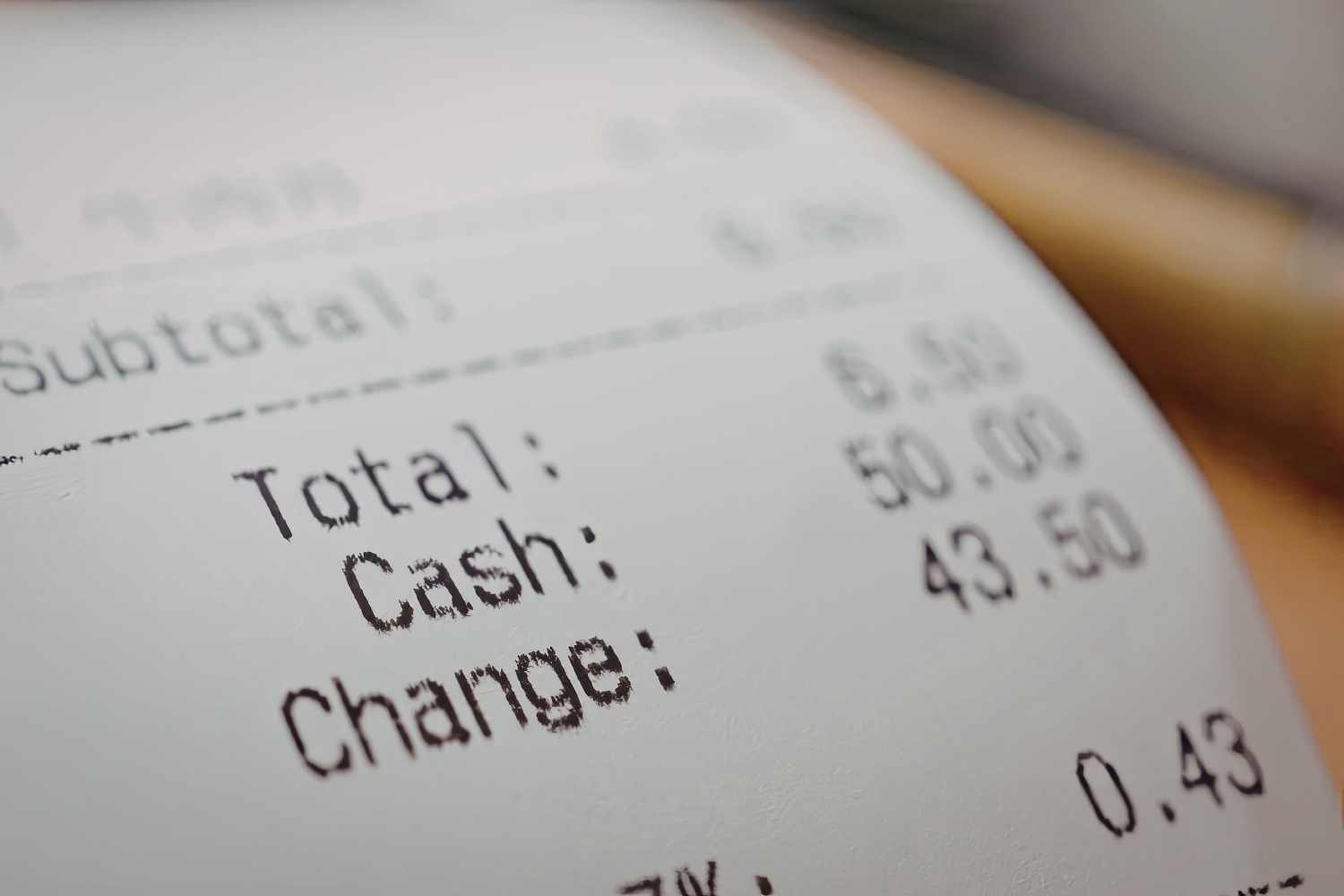
From March 2026, that piece of thermal paper that slowly fades, lost in the depths of your wallet, no longer has mandatory legal value. The PNRR decree (Legislative Decree 19/2026), approved by the Council of Ministers on 29 January and published in the Official Journal on 19 February 2026, effectively canceled the obligation to keep paper receipts for electronic payments for ten years.
What does article 8 of the decree establish
Article 8 establishes that it is no longer necessary to keep the paper document certifying the electronic payment; instead, communications sent to customers and the documentation provided, including in digital format, by banks and financial intermediaries can be used. Dematerialized account statements and notifications of outgoing movements can therefore replace the receipt issued by terminals for payments with credit, debit, prepaid or app cards. On one condition: that those documents contain the data relating to each individual operation and are kept in such a way that they can be exhibited in the event of an inspection.
Those who paid by card will already find an indication of the traceable payment method on the receipt. For deductions in 730, therefore, it will be enough to keep the shop receipt, without also keeping the POS one. A double document that for years has clogged up drawers and folders without adding anything.
Payments to the PA: the proof is no longer up to the citizen
News also on the public administration front. For payments to public bodies made via electronic channels such as PagoPA, the administration is required to verify the payment by consulting its IT flows, without being able to require the citizen to show the receipt, not even for tax and deduction purposes. A significant change in logic: the burden of proof shifts from the user to the system.
POS and cash registers: the connection is already active
Since March, the digital matching function between POS and cash registers has been fully operational in the reserved area of the Revenue Agency website. From 1 January 2026, the obligation for a logical connection between terminals and telematic recorders had already come into force, with automatic transmission of sales and payment data. The measure on receipts is part of this process, it does not anticipate it.
The roadmap towards the digital receipt
With a resolution approved last June by the Finance Committee of the Chamber of Deputies, Parliament committed the government to gradually introducing the obligation of digital receipts: from 1 January 2027 for large-scale retail trade companies, from 2028 for merchants with turnover above a certain threshold, from 2029 for all the others. For now, this is a non-binding political guideline.
As reported by Il Sole 24 Ore, there is an amendment currently being examined, signed by Gianluca Caramanna (Fratelli d’Italia), which aims to anticipate the times with an amendment to the Consolidated VAT Act (Legislative Decree 10/2026) which would come into force from 1 January 2027: the receipt should be issued digitally for both cash and electronic purchases, unless the consumer explicitly requests to receive the paper copy. The customer will still be able to ask for a paper receipt, but increasingly he will have to ask for it, not the merchant who will have to give it.
