
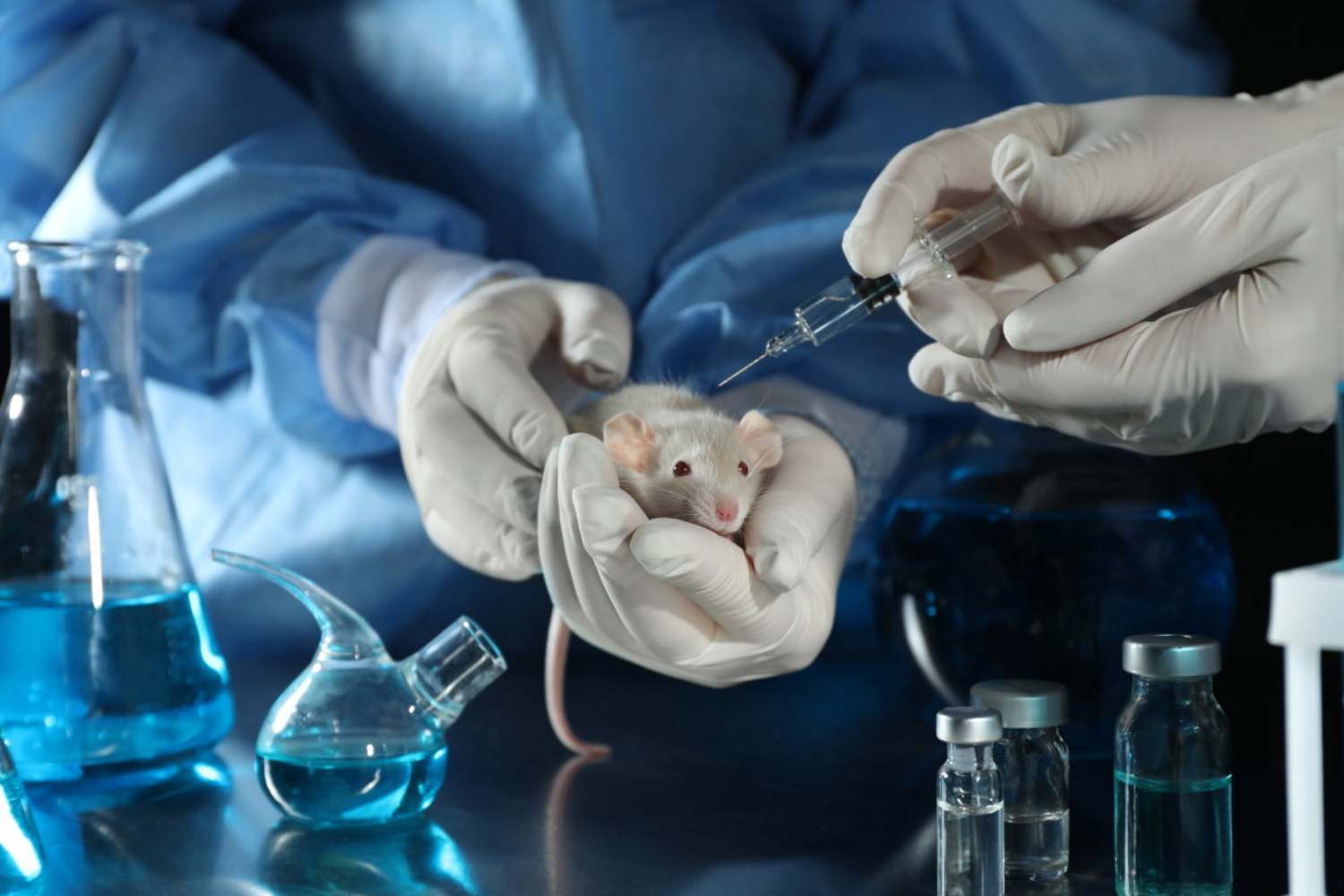
The European Union takes a significant step in the fight against animal testing. With the revision of the legislation on detergents, a ban on using animals to test new products intended for domestic and industrial cleaning is introduced. A decision that concerns everyday items, such as detergents and dishwashing liquids, present in millions of European homes. This is the first measure of its kind since the 2013 cosmetics ban and marks an important moment in the journey towards more ethical and innovative research.
What really changes with the new law
The legislation establishes that both ingredients and finished products can no longer be developed through tests on animals. Companies will therefore have to rely on alternative methods, such as cellular models, digital simulations and other advanced technologies. It is expected to come into force in 2026, while full implementation will start in July 2029. In the meantime, the sector will have to adapt to a system that aims to make testing not only more ethical, but also more modern and scientifically reliable.
The cracks in the legislation
Despite the enthusiasm, the picture is not without its shadows. The ban only concerns tests carried out under the detergent legislation. This means that some chemicals used in products may still be subject to animal testing under other European laws, such as the REACH regulation.
Furthermore, unlike what happens with cosmetics, a restriction has not been introduced on the sale of products tested on animals outside the EU. A gap that risks reducing the real impact of the measure.
The role of associations and public pressure
Organizations such as PETA and One Voice have played a decisive role in bringing the issue to the attention of institutions. Through investigations, campaigns and political pressure, they have contributed to highlighting the critical issues of a system still linked to practices considered outdated. The mobilization of citizens had an equally significant impact. European initiatives and awareness campaigns have demonstrated how the demand for cruelty-free products is now widespread and deep-rooted.
A journey that is still incomplete
Although great progress has been made, the definitive end of animal testing is still far away. The planned exceptions and parallel regulations leave open the possibility that some testing will continue. The new law therefore represents a starting point rather than a goal. The declared objective remains to completely eliminate the use of animals in chemical research, promoting alternative and reliable methods. A change that, step by step, could radically transform the way in which the products we use every day are developed.
You might also be interested in:
