
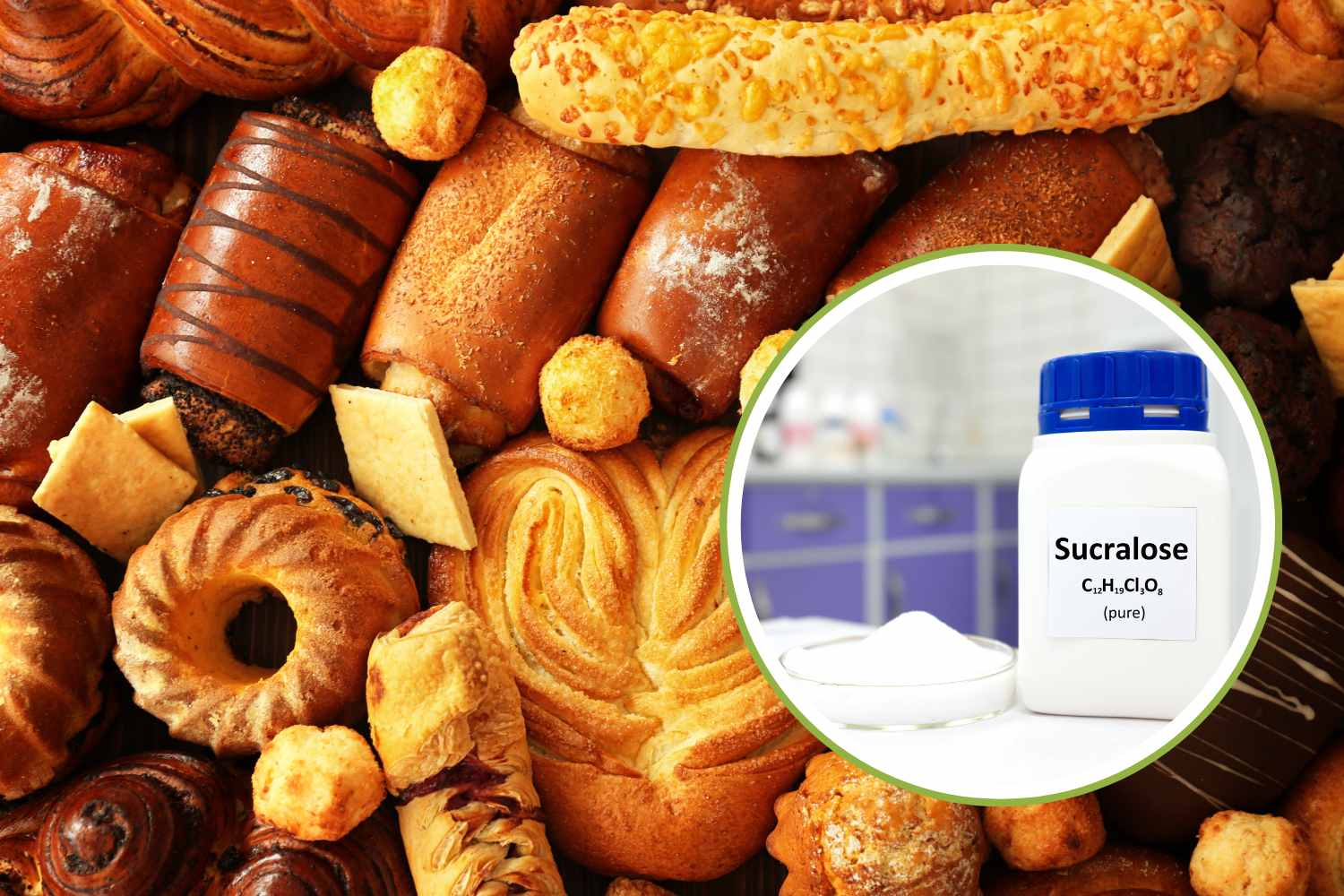
EFSA has published the conclusions of its review on sucralose, the E 955 sweetener present in many light and sugar-free products.
It all started from the food industry’s request to extend the use of this additive to baked products such as bread, biscuits and cakes without added sugar. The scientific evaluation that followed, however, revealed something important to know: exposed to high temperatures for prolonged periods, sucralose can undergo a chemical transformation during which the chlorine that composes it migrates and could form chlorinated compounds.
The effects of these substances on human health are still unknown, and this uncertainty has pushed European experts not to give the green light.
What is sucralose and why is it so popular
Sucralose is a truly effective synthetic sweetener (it is approximately 600 times sweeter than sugar), present in many “zero sugar” or reduced calorie products: soft drinks, yogurt, packaged sweets, chewing gum. In the European Union it is authorized as a food additive and can be found on the label with the abbreviation E 955.
Until recently, sucralose was considered an established ingredient among sugar substitutes, but the new EFSA review highlights uncertainties related to its behavior when exposed to high temperatures.
The heat problem
The risk identified by EFSA concerns two distinct levels. The first is the industrial one: some production processes for the new uses required already involve high temperatures, conditions in which sucralose can decompose and form chlorinated compounds with still unknown effects. However, this risk can be managed with short heat treatments during production.
The second level, however, is the one that made it impossible to give the green light: if sucralose were authorized in baked goods, these would end up in domestic kitchens, where further heating, in the oven or in the pan, takes place in conditions that are impossible to standardise. Variable temperatures, different cooking times, imprecise quantities of sweetener: too many factors out of control to be able to exclude the formation of those same potentially harmful substances.
What is “safe” and what is not
EFSA confirmed that the currently authorized uses of sucralose – in drinks, in some ready-made desserts, in ice cream cones – remain safe, and reiterated the acceptable daily dose of 15 mg per kilo of body weight. But he recommended that the European Commission address the open question: what to do with sucralose in home preparations that require intense heat, such as frying or baking?
In the meantime, the message that emerges from the review is to pay attention to the use of sucralose in the kitchen, avoiding adding it to home preparations that require cooking at high temperatures.
However, sucralose is a story in the making. The European Commission and Member States will now have to discuss how to proceed in light of this assessment.
