
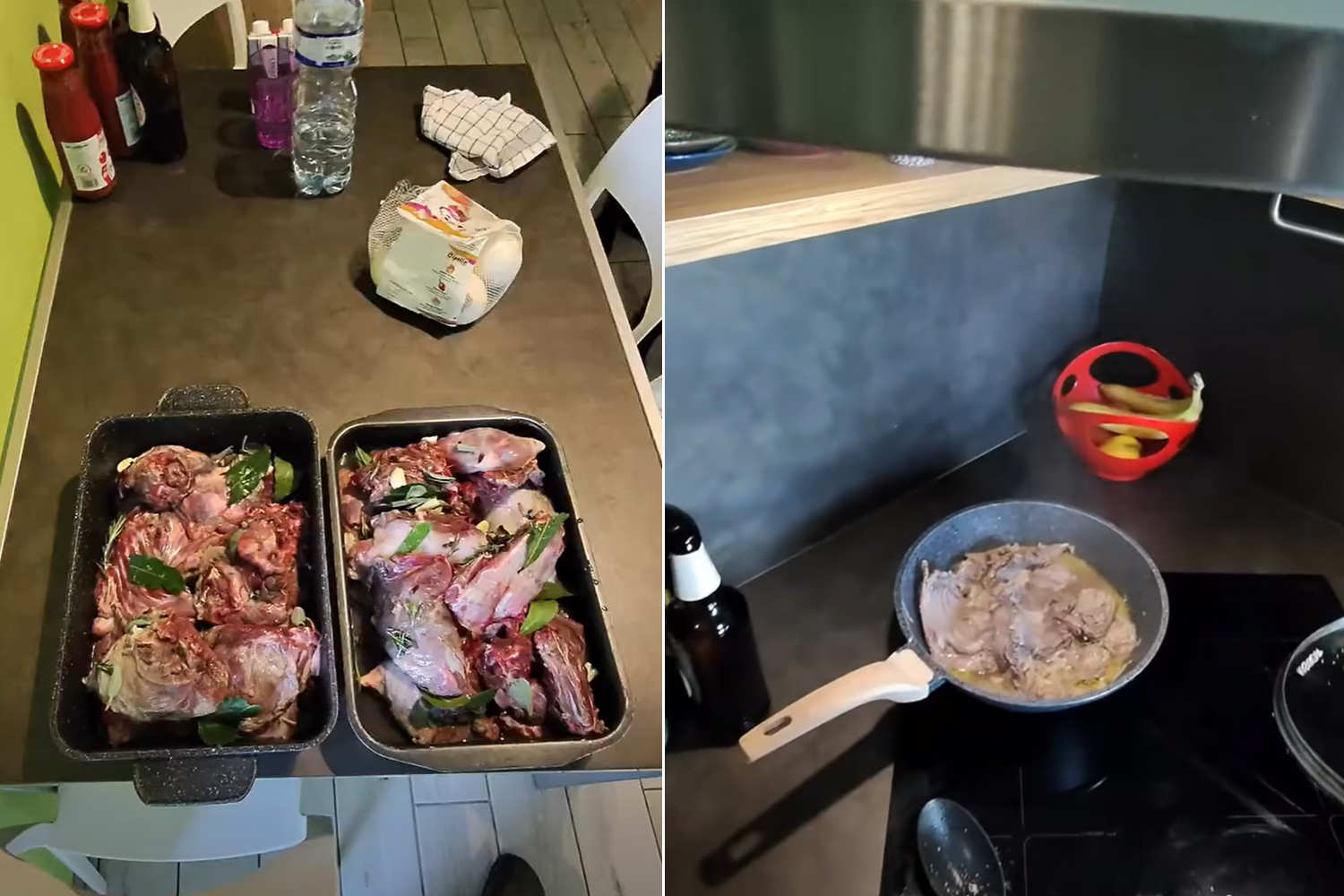
In Gerre de’ Caprioli, a small town in the Cremona area, mayor Michel Marchi is back in the news with a chilling gesture to say the least: a nutria-based lunch, documented and shared on social media. A video that, in the space of a few hours, turns into a media detonator. And unfortunately it is not a simple prank or an impromptu exit.
In fact, Marchi has been pursuing a clear position for years: the proliferation of nutria is a real problem and must also be addressed in an unconventional way. His idea is to transform the emergency into a resource, bringing this rodent to the table. So, as if nothing had happened, he decided to put into practice what he preaches by posting a menu on his Facebook profile with tagliatelle with nutria ragù and marinated nutria roast.
Criticism explodes on social media
The public reaction is immediate. If on the one hand there are those who read the gesture as a provocation to turn the spotlight on an often ignored topic, on the other hand indignation and disdain prevail, especially among those who consider it unacceptable to transform a wild animal into social content.
There is no shortage of direct attacks: there are those who accuse the mayor of seeking visibility instead of dealing with the concrete problems of the area, such as the maintenance of urban greenery. A true “digital diss”, which transforms a domestic kitchen into a public arena.
View this post on Instagram
The mayor’s response
Marchi does not remain silent. While declaring that he does not like online controversies, he responds by claiming his role and the freedom to address administrative issues in different ways. For him, talking about nutria means addressing a question of environmental management and land protection. On the maintenance of the town, however, he replies with concrete data: contracts already awarded and imminent interventions.
A debate that goes beyond the local case
But beyond the vulgar political controversy, it quickly went beyond the borders of the small town. Reducing the presence of nutria to a gastronomic issue means ignoring the complexity of the problem. The proliferation of a species is not addressed with slogans or recipes, but with structured, ethical and scientifically based policies.
Transforming a wild animal into media content and a dish to be exhibited risks legitimizing a utilitarian and violent vision of nature. The idea that “eating them” could be a solution appears to be a shortcut as simple as it is morally questionable to say the least.
Alternatives exist, but they are ignored
The associations that deal with animal protection have been repeating it for years: there are non-cruel methods to manage the presence of otters, such as fertility control programs and targeted interventions in the area. Solutions that require time, investments and skills, but which respect a fundamental principle: coexistence with wildlife. Ignoring these paths to pursue a provocative narrative means giving up modern and responsible management of the territory.
In light of this story, a central question remains: what idea of the relationship between man and nature do we want to promote? The case of Gerre de’ Caprioli is not just a local episode, but the symptom of a vision that considers animals expendable and instrumental. And it is precisely on this ground that the most important game is being played: not between those in favor and against a dish, but between those who defend the value of animal life and those who reduce it to viral content.
You might also be interested in:
