
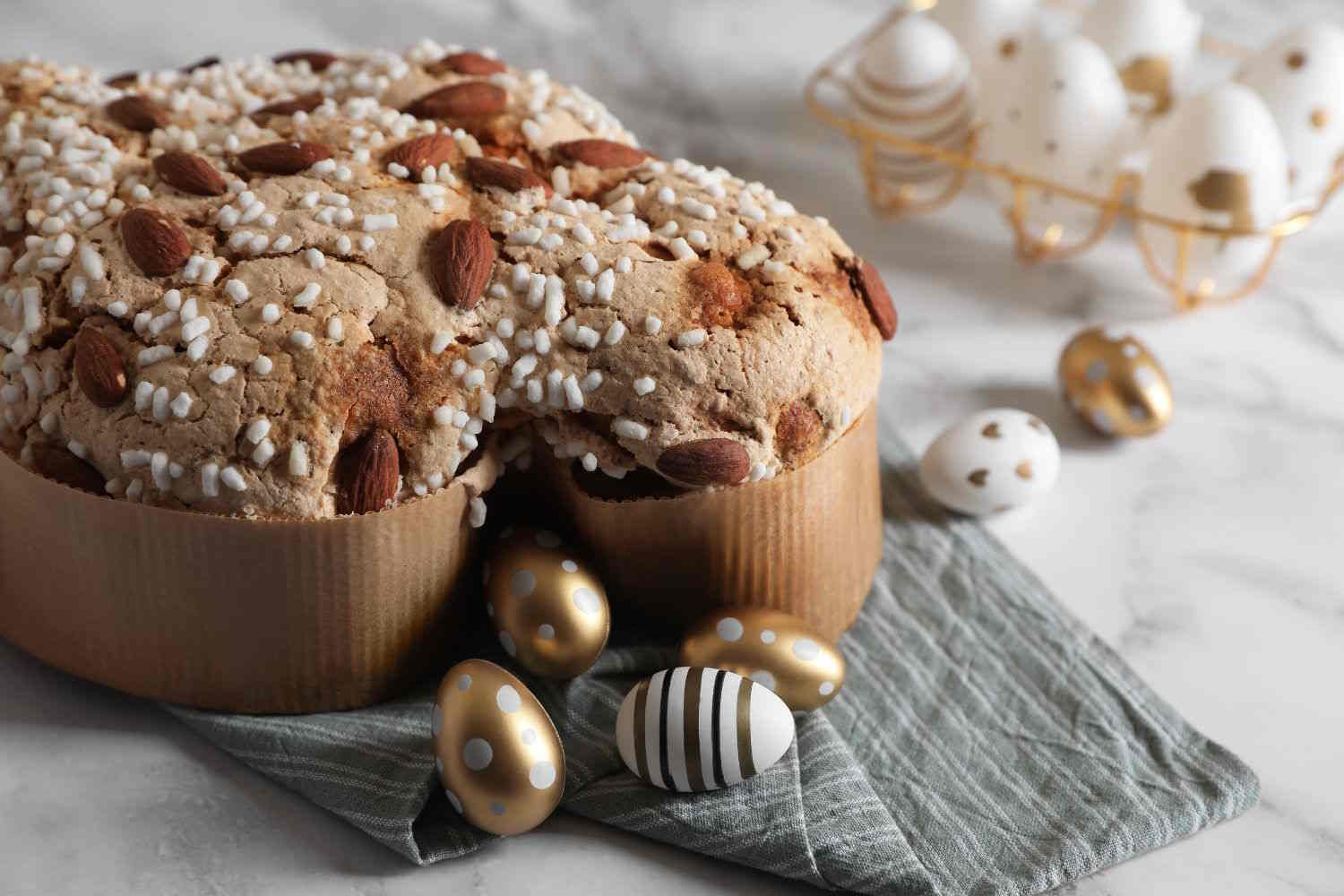
The problem is that they are not all the same, indeed, the distance between a supermarket dove and a truly artisanal one is often abysmal, even when the packaging tries to tell another story. Words like “traditional”, “artisanal” and “like once upon a time” appear everywhere, on products which then have very long ingredient lists and a shelf life of three months.
Finding the right one requires a bit of orientation. In recent years the Easter dove has become a crowded terrain, where industrial products disguised as artisanal and leavened products truly constructed with time, technique and recognizable ingredients coexist. You can often tell the difference from the first cut, from the color of the dough, from the consistency, from how it smells before even tasting it.
These are the best artisanal doves chosen by the editorial staff. It is not a ranking, and does not claim to be exhaustive. It is simply a list of doves that convinced us, each for different reasons.
Casa Priolo – Classic Colomba
The Classic Colomba by Casa Priolo, designed by Stefano Priolo, is the type of product that puts a now overused word back at the center: artisanal. It is not a declaration as an end in itself, but this dove really is one due to the real structure of the process.
We are talking about a family laboratory active since 1900, in Molise, where processing still takes a long time: around 70 hours in total, of which 48 are dedicated to leavening. A fact that is not a technical detail, but the point from which everything else arises, because it is precisely slowness that builds digestibility, aromatic development and consistency.
The mother yeast is alive and refreshed daily, and the use of Matese water is not a folkloristic element, but contributes to the cleanliness of the final profile. It is clearly perceived: the dove has no acidic or unbalanced notes, but a controlled roundness.
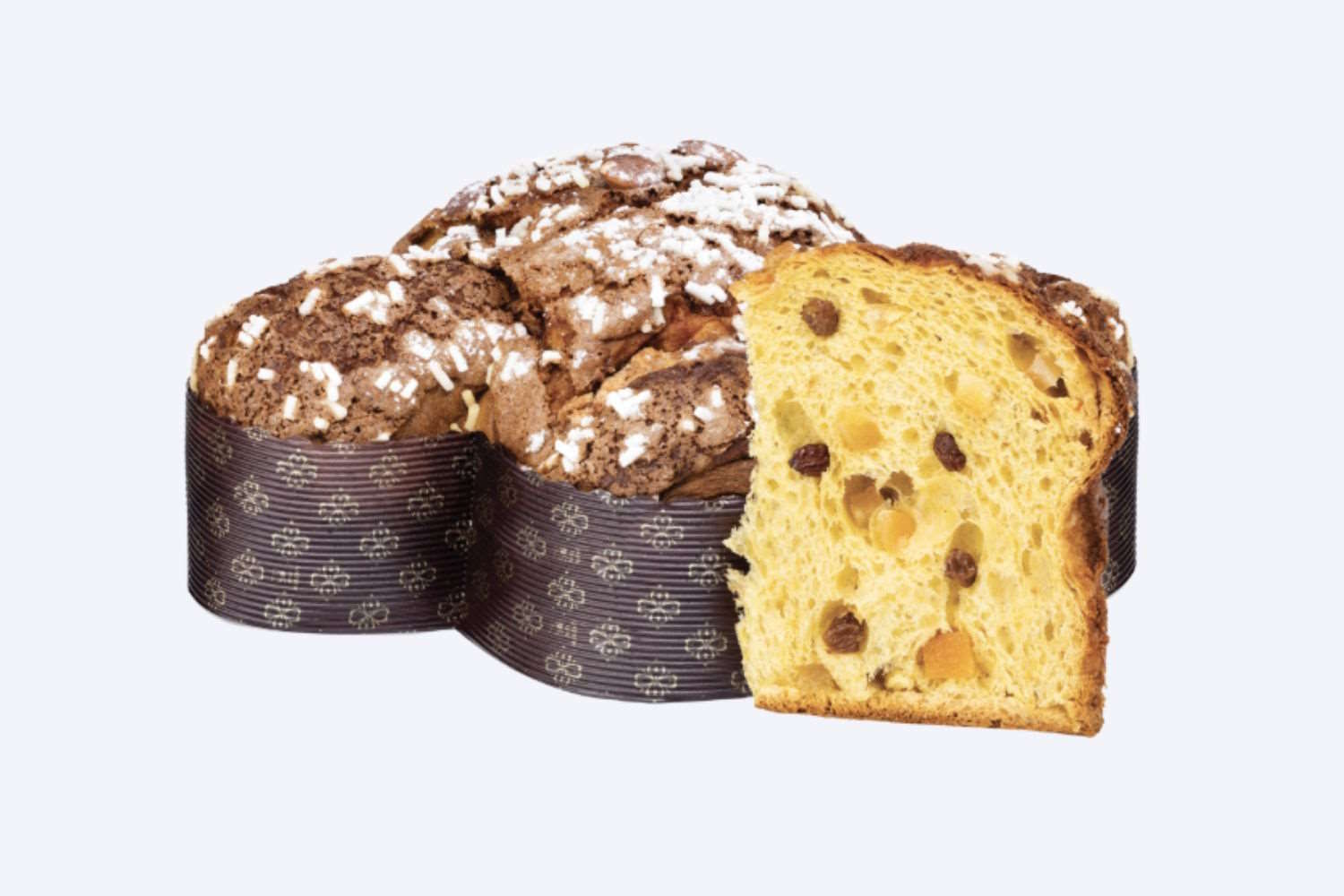
At first glance, it is exactly what you expect from a great leavened product: well-distributed icing, uniform browning and a regular internal structure, without collapse or forced alveoli. The warm yellow color of the dough already tells a lot about the quality of the eggs and the processing.
The flavor profile is precisely constructed. The vanilla (Tahiti and Madagascar) does not invade, the butter is clean and never heavy, while the candied orange – Calabrian navel – is recognisable, not anonymous as often happens in standardized products. The mix of local honeys adds depth without turning the dessert into something cloying.
It is not a dove for those looking for immediate and sugary dessert. But it’s exactly what you remember after Easter, when you think about what you would like to buy again next year.
Please note: for those wishing to purchase it online, an exclusive discount code is active. By entering EASTER10 when purchasing on the Casa Priolo website you get a 10% discount. It’s worth taking advantage of.
Classic Colomba Brisa
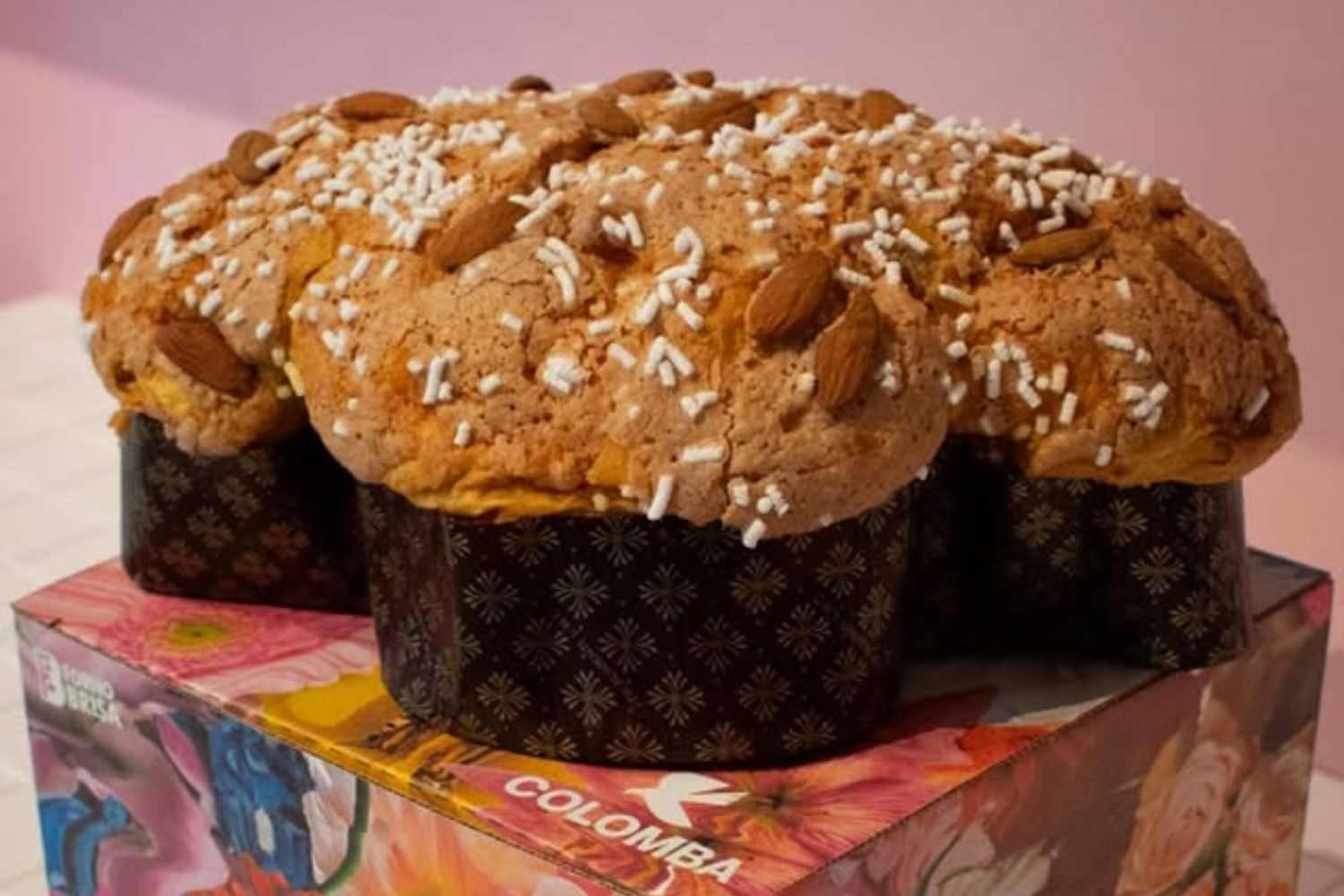
The Brisa proposal moves on a more linear terrain, but with a clear choice: simple, declared ingredients without preservatives.
Organic flours, sourdough, Brittany butter, fresh organic eggs and whole cane sugar build a clean base, while the artisanal orange and lemon candied fruit give a balanced aromatic note, without excess.
It is a dove that does not focus on complexity, but on coherence: those looking for a traditional, readable product without questionable ingredients will find a sensible choice here, even if less characterized than others.
Pandilò – Classic Colomba
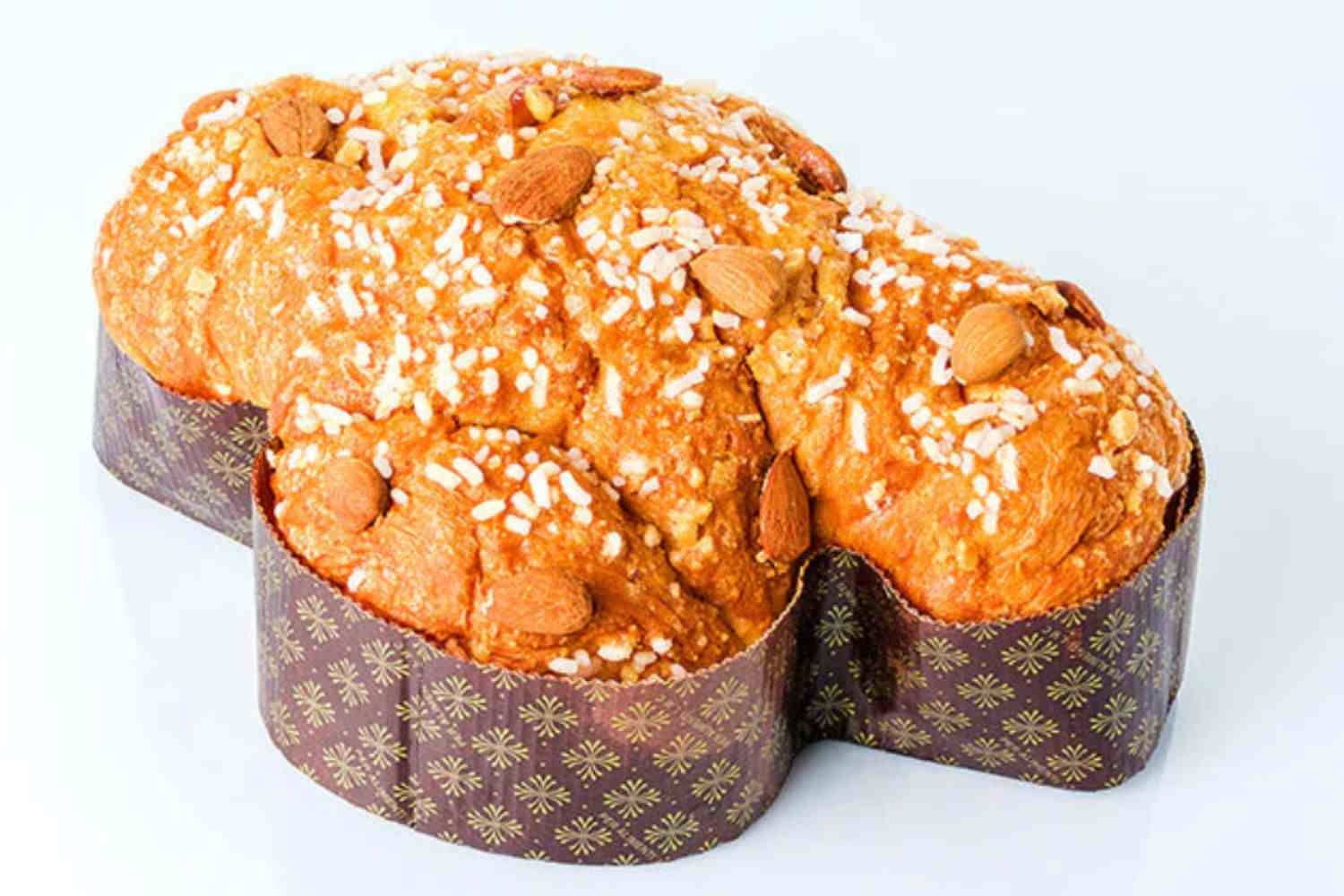
The Pandilò colomba revolves around a specific element: the artisanal candied orange, which here is not a simple complement but the true gustatory axis of the product.
The result is a leavened product with a clear citrus boost, more pronounced than average, which makes every bite recognisable. The icing with whole almonds adds a crunchy component that balances the softness of the dough.
It is not a “neutral” dove: it works very well for those who appreciate authentic candied fruit, less so for those who prefer more delicate profiles.
Pasticceria Max – Classic Colomba
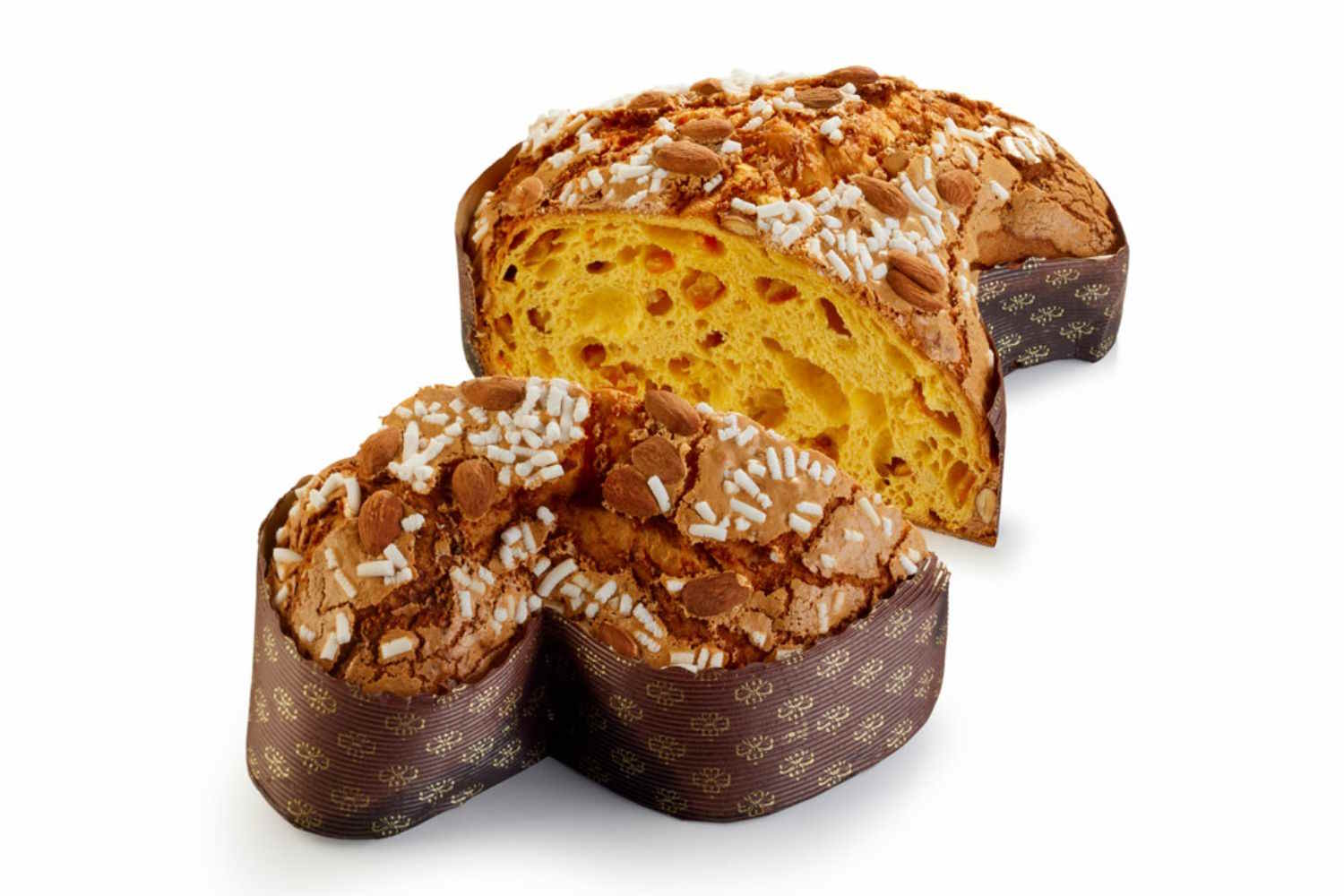
Here we remain within the perimeter of the most classic tradition, with particular attention to the quality of the basic raw materials, which is often what really makes the difference.
Flour, butter, egg yolk, honey, Tahitian vanilla and sourdough create a solid, well-developed and soft dough, without aromatic excesses. The icing with almonds and kernels adds a slightly more rustic note.
It is a reliable dove, less identifying but well executed, which focuses on balance and technique rather than strong characterizations.
Pietro Macellaro – Artisan doves
Pietro Macellaro’s work follows a precise philosophy: short supply chain and local ingredients, often self-produced.
His doves reflect this approach, with aromatic profiles that emerge from the neutrality of large-scale production and return a more marked identity. They are not “easy” products, but consistent with an idea of craftsmanship that favors the raw material over standardization.
How to choose a quality dove
First of all, it is useful to clarify what is really meant by “dove”. In fact, there is a precise reference:
A production specification sanctioned by the Decree of 22 July 2005 establishes the minimum mandatory ingredients: wheat flour, sugar, fresh eggs (at least 4%), mother yeast, butter (minimum 16%), candied citrus peel (minimum 15%), as well as honey and often vanilla.
This means that if we find ingredients such as margarine instead of butter or pasteurized eggs instead of fresh ones, that product should not even be called “colomba”, even if it is often sold as such anyway.
In recent years, variations filled, glazed or enriched with creams have become widespread: in most cases these are lower quality products, where the coverings serve to mask less refined mixtures and where vegetable or hydrogenated fats are often used, which are decidedly less interesting from a nutritional point of view.
The first thing to do, even before looking at the price, is to read the list of ingredients. A well-made dove has few and all recognisable: flour, butter, eggs, sugar, sourdough, candied fruit, vanilla. If the list takes up three lines full of acronyms and names that are difficult to pronounce, that’s already a sign. Pay particular attention to preservatives in candied fruit, especially sorbates, and any type of coloring: they are of no use if the basic ingredients are good.
There are no compromises on fat: it must be butter, and only butter. If vegetable oils or, worse, hydrogenated fats appear, the product is not worth the money, regardless of how well packaged it is.
Even the expiration date tells something. A real artisanal Colomba doesn’t last long – a few weeks at most, because it doesn’t need additives to survive on the shelf. An expiration in June, on a product purchased in March, should give pause for thought.
Visually, a good dove has a regular shape, well developed, with a uniform golden color. Too dark a color is not just an aesthetic defect: it can indicate excessive cooking and the presence of acrylamide, a substance that forms when starches are exposed to too high temperatures. The icing follows the same logic, it must be homogeneous, without burning at the edges or uneven areas.
Bottom line: If it seems too good to be true and lasts until summer, there’s probably a reason.
In the end, choosing a handcrafted dove is a small gesture against the grain. It costs more, lasts less and is not found everywhere. But it is also the only way to remember how it is really made, not a packaged dessert, but a leavened product built with patience, real ingredients and a care that can be felt from the first bite to the last.
Easter happens once a year, it’s worth spending a little extra to bring something to the table that’s really worth it.
