
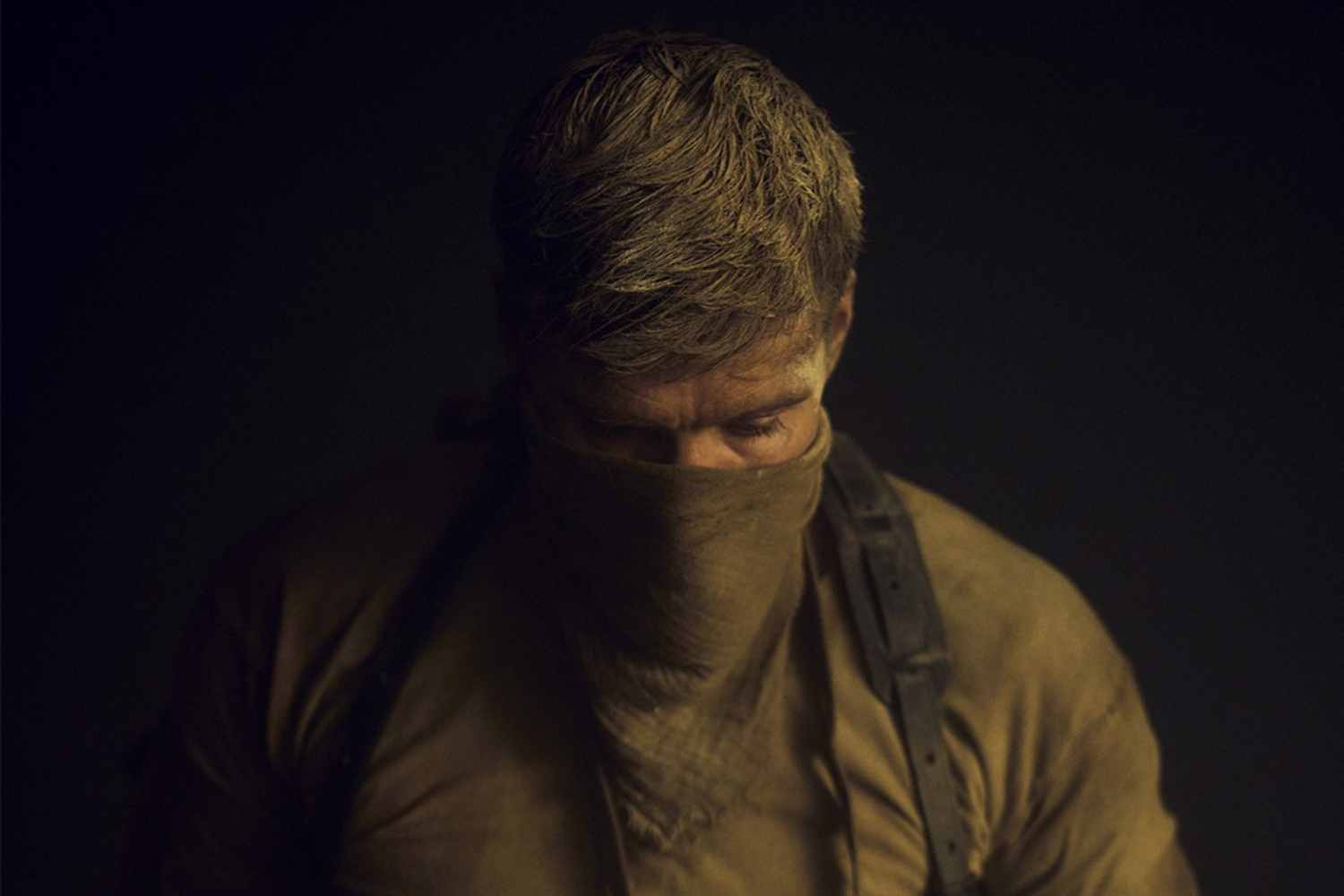
After 36 episodes and six seasons the series has come to an end, even if Tommy Shelby’s story is not over yet. Peaky Blinders: The Immortal Mandirected by Tom Harper and written by Steven Knight, arrived on Netflix on March 20, 2026.
View this post on Instagram
Birmingham, 1940: war calls Shelby back from exile
We are in Birmingham, 1940. Luftwaffe bombings pound the city and the chaos of war forces the infamous gangster to interrupt his self-imposed exile to face a potentially devastating showdown – not only the future of his family, but that of the entire country.
A stellar cast for the final chapter
In the cast, alongside Cillian Murphy, stand out Rebecca Ferguson, Tim Roth and Barry Keoghan in the role of Erasmus “Duke” Shelby, Tommy’s son. Stephen Graham, Sophie Rundle and Ned Dennehy reprise their roles from the original series. The film premiered at Birmingham’s Symphony Hall on 3 March 2026, and was released in select theaters on 6 March.
On Rotten Tomatoes it has received 92% positive ratings out of 77 reviews – the critical consensus speaks of a “worthy conclusion to the saga, capable of standing up as an independent work”. Metacritic is more cautious, stopping at 59/100. Netflix has already made official a sequel series in two seasons of six episodes each, set in 1953 Great Britain, in the midst of Birmingham’s post-war reconstruction.
The True Story: Who the Peaky Blinders Really Were
The Peaky Blinders emerged from the Small Heath neighborhood of Birmingham, and the first documented activity dates back to a newspaper article from March 1890, which described a brutal attack committed by a gang already known as the “Peaky Blinders”. This was not a structured criminal organization — the term was used broadly to refer to various small groups operating in the city. The activities included street fights, illegal betting, pickpocketing and extortion.
The name remains shrouded in mystery. One theory has it that it derives from the barbaric practice of sewing razor blades into the visor of hats – a hypothesis, however, considered fanciful, since razor blades were luxury items at the time. Another theory is that they used the hat to hide the victims’ faces.
Screenwriter Steven Knight said he was inspired by his father’s tales of Birmingham gangsters: “Historians and books can say what they want, but every uncle, aunt and grandfather in my family confirmed to me that the term was still alive and well in the 1930s.”
The real criminals who inspired the characters
Tommy Shelby is a fictional character, and the most likely historical counterpart is Thomas Gilbert, known as Kevin Mooney — the most prominent gang leader of the real Peaky Blinders at the height of their power.
Billy Kimber, leader of the Birmingham Boys, was a real person: probably the biggest organized crime boss in England. In the series he is presented as a Londoner, but in reality he was born in Aston, a suburb of Birmingham — and according to historian Carl Chinn, was at one time a Peaky Blinder himself.
Alfie Solomons, the Jewish gangster played by Tom Hardy, is also based on a real character, Alfred Solomon. The accent, however, is Hardy’s pure invention. Darby Sabini, the Italian-English boss played by Noah Taylor, really controlled the betting on the racecourses of southern England and was a historical rival of Kimber. Oswald Mosley, the founder of the British Union of Fascists, really existed.
The big lie of the series: time
The real Peaky Blinders weren’t on at all in the 1920s. Historical evidence indicates that they emerged around the 1890s. By the 1920s they had already retreated to the Midlands countryside, supplanted by the Birmingham Boys. The decline began in 1910, when Billy Kimber’s band took over, so by the early 1920s the group was gone.
