
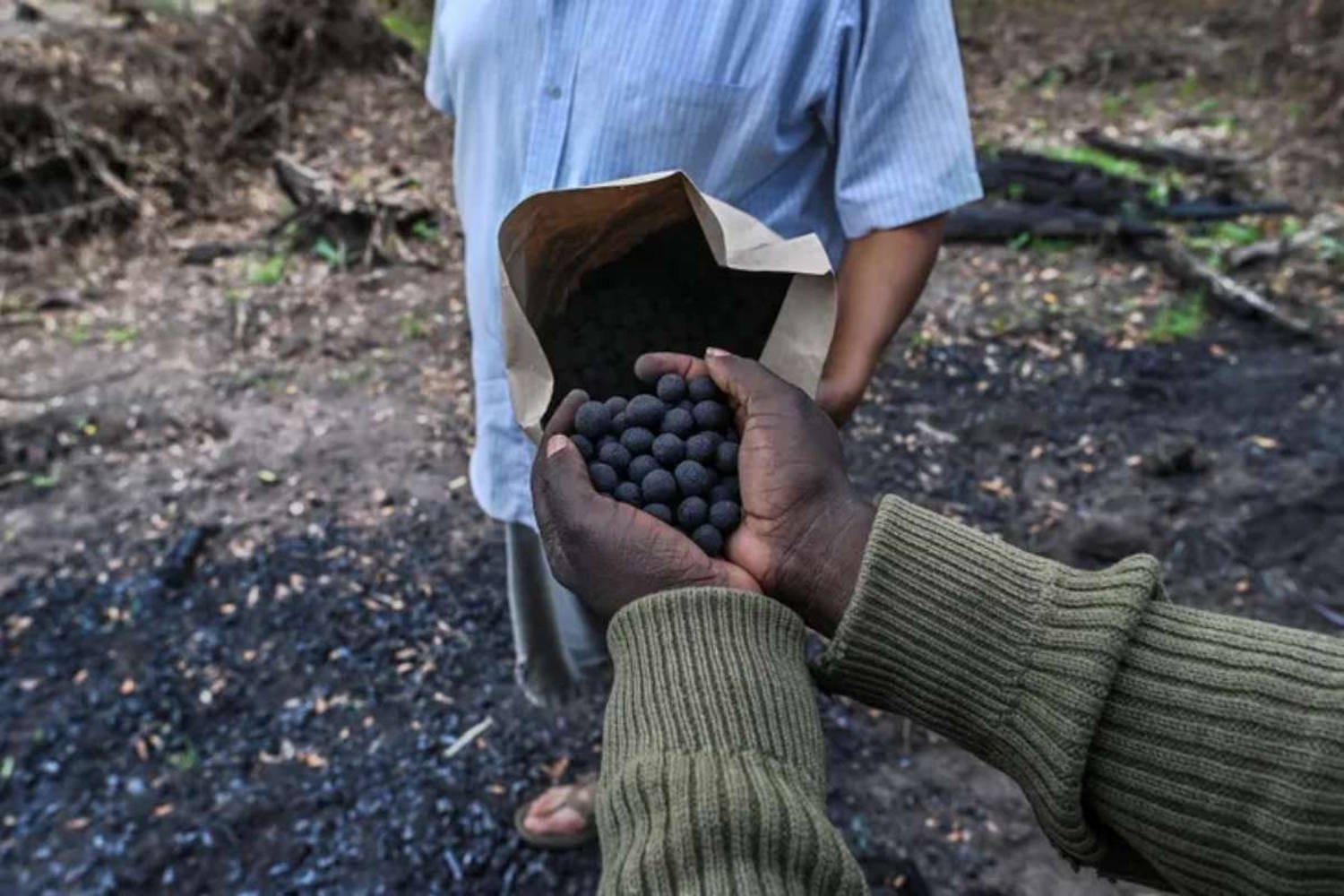
In Kenya, saving, exchanging and selling traditional seeds can no longer be considered a crime. In a decision described as “historic” by United Nations experts, the High Court of Kenya declared unconstitutional some provisions of the national law on seeds and plant varieties, which criminalized ancestral agricultural practices fundamental for the survival of rural communities.
According to the court, the legislation violated fundamental rights such as the right to life, food and livelihood, imposing a system that favored large seed companies and commercial property rights to the detriment of small farmers.
The contested law granted exclusive marketing and ownership rights on seeds to “improvers” and companies in the sector. In fact, farmers who saved or shared self-produced seeds risked sentences of up to two years in prison.
A measure that especially affected small producers, indigenous communities and peasant networks who for centuries have safeguarded and passed down local agricultural varieties, adapted to the territories and fundamental for biodiversity.
The High Court recognized that these very practices represent “the backbone of Kenya’s food security and cultural heritage”.
UN experts from the Working Group on the Rights of Farmers and People Working in Rural Areas welcomed the ruling, calling it a milestone in the protection of rural rights.
Seed sharing is not a crime, but a fundamental element of farmers’ identity, resilience and contribution to national food systems, they said.
According to experts, the decision reaffirms a crucial principle: human rights, food safety and the protection of biodiversity must prevail over excessively restrictive intellectual property regimes.
The crux of the laws inspired by UPOV 1991
The Kenyan case has also put a spotlight on a global problem. Many national legislations, in fact, were inspired by the 1991 UPOV convention (International Union for the Protection of New Varieties of Plants), which strengthens the rights of plant breeders and severely limits the free use of seeds by farmers.
According to the UN group, these regulations have often ended up criminalizing traditional agricultural practices passed down for generations.
“Kenya’s ruling sends a clear and timely message: human rights obligations cannot be subordinated to seed trade monopolies,” the experts stressed.
The right to seeds recognized by the UN
The High Court’s decision is consistent with the United Nations Declaration on the Rights of Peasants and People Working in Rural Areas (UNDROP), in particular Article 19, which recognizes the right to seeds.
This includes the right to:
Behind this sentence there was a long mobilization of peasant movements, indigenous communities and Kenyan civil society organizations.
According to UN experts, their efforts set an example for the rest of the world: when courts uphold human rights, they also protect the future of more resilient, diverse and sovereign food systems. The decision could now become an important precedent for other countries too, especially in a global context in which seed control is increasingly concentrated in the hands of a few multinationals.
And as the climate crisis, biodiversity loss and food insecurity advance, the recognition of farmers’ right to safeguard and share traditional seeds appears increasingly central to ensuring sustainable and truly independent agriculture.
