
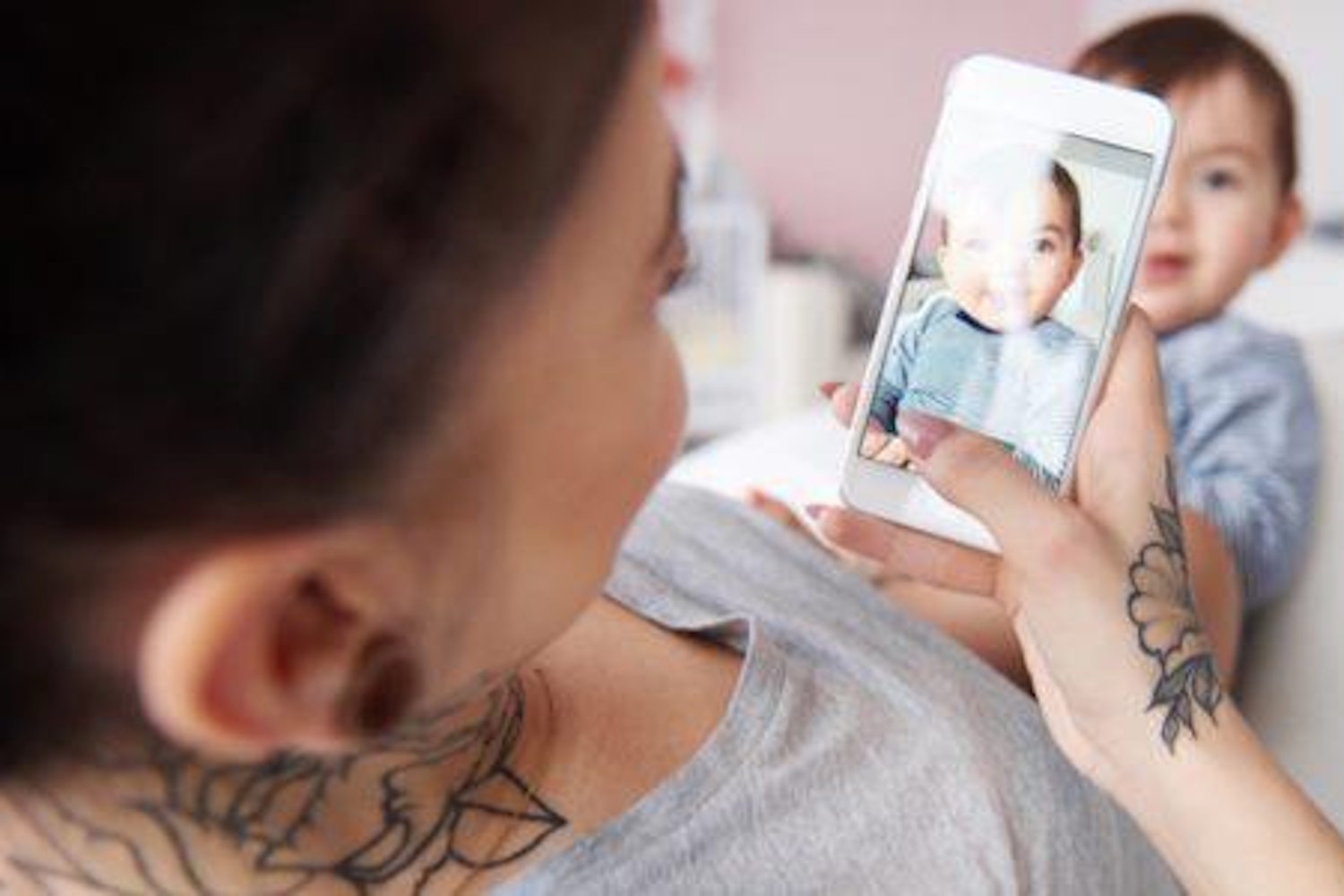
Posting a photo of your children on social media is not a harmless gesture nor a choice that can be made by a single parent. The Guarantor for the protection of personal data reiterated this, establishing that images of children under 14 can only be shared online with the prior consent of both parents.
The recall comes after the complaint of a father who had contested the publication by his ex-wife of photographs of his minor children on their social profiles, in particular on Facebook.
According to the father, that repeated sharing represented a form of sharentingthe increasingly widespread phenomenon in which mothers and fathers talk about their children’s lives online through photos, videos and personal details.
What is sharenting
The term comes from the union of English words share (share) e parenting (parenting). In recent years it has become the subject of increasing attention from psychologists, digital security experts and privacy authorities.
In fact, every image published online contributes to building the digital identity of the minor, often without the latter having had the opportunity to express conscious consent. Furthermore, once shared, contents can be copied, downloaded, relaunched by other users or end up in unwanted contexts.
Precisely for this reason the Guarantor recalled that minors deserve strengthened protection and that the publication of their images constitutes in all respects the processing of personal data.
One of the most relevant aspects of what the Guarantor underlines concerns a very widespread belief: that according to which a private profile would automatically guarantee the security of shared images. In fact, this is not the case: content uploaded online can always be saved, forwarded or disseminated further.
What changes after the age of 14
Italian legislation provides for an important distinction. Up to the age of 14, it is the holders of parental responsibility who must authorize the processing of the minor’s personal data. After turning 14, however, boys and girls can decide independently whether or not to allow the diffusion of their images online. This does not mean that every publication is automatically legal or risk-free, but it does give the minor greater decision-making ability over their digital identity.
And in other countries?
In Francein 2023, a specific law was approved that protects the image rights of minors and reminds parents of responsibility when publishing online content.
French legislation expressly recognizes that the child’s right to privacy must be taken into consideration by parents and even provides that a judge can intervene in the most serious cases, limiting parents’ ability to publish images of their children when this is contrary to the interests of the minor.
In Germany privacy protection is very rigorous and several courts have repeatedly underlined that the rights of the minor must prevail over the parents’ needs for visibility. German experts have for years recommended avoiding the publication of easily identifiable photographs of children.
In the United Kingdom, however, the debate is particularly heated on the issue of the digital footprint created by parents before their children are even old enough to understand the consequences of sharing online. Child protection organizations and data protection authorities urge families to limit the dissemination of images and personal information about children.
What the Authority underlined today recalls a fundamental principle: photos of children do not belong only to the parents. Behind every image there is a person who will grow up and who one day may not want to find moments of their childhood shared online without their consent.
The protection of minors also passes from here: from the right to build their own digital identity without others doing it for them.
