
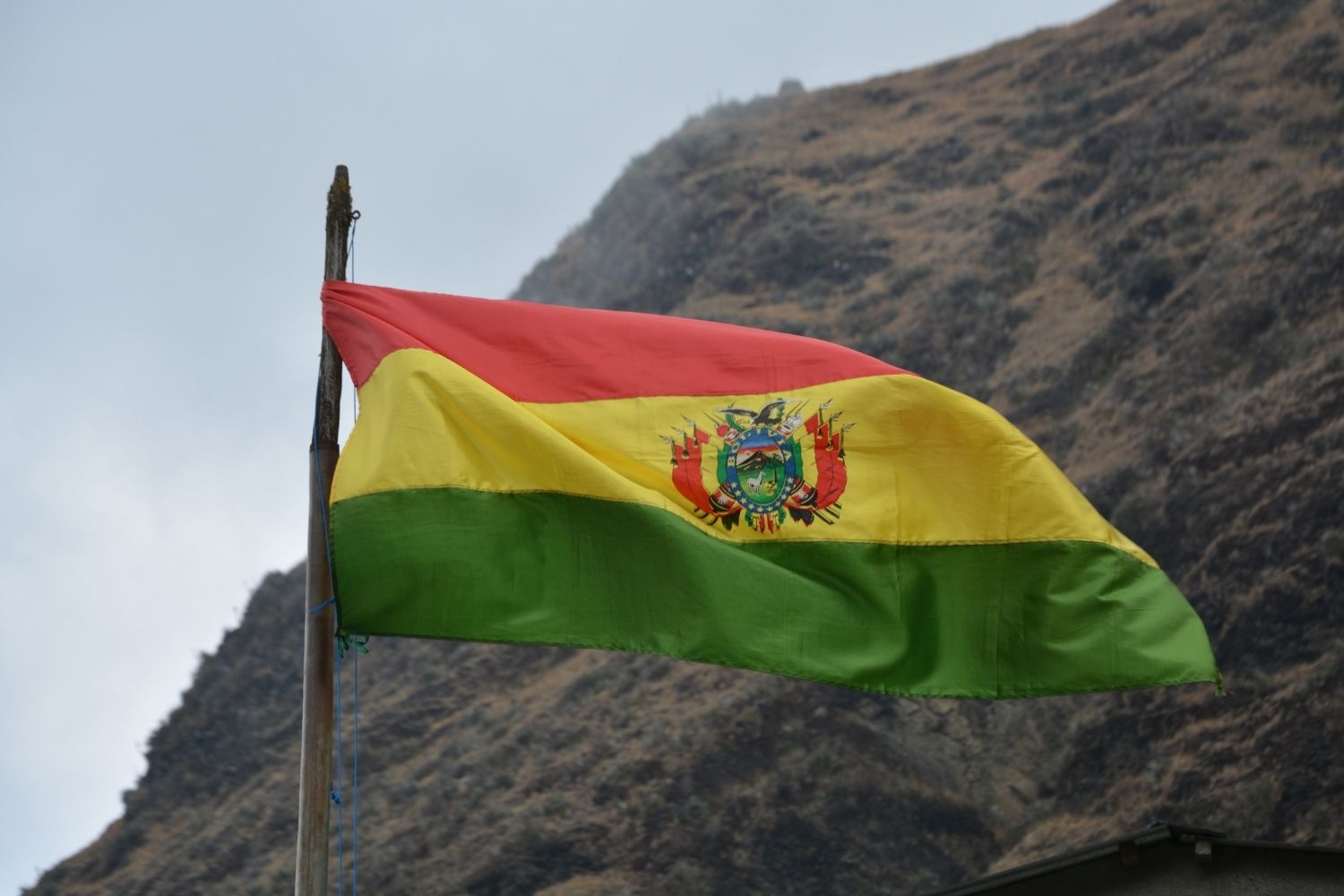
First they took away his own ministry. Now they have moved it under one roof of manufacturing, agriculture and industrialization. In Bolivia the environment is making a kind of reverse career.
Rodrigo Paz’s government approved Supreme Decree 5675, which reduces the ministries from 14 to 12 and cancels that of Development Planning and the Environment. Its responsibilities are distributed between the Presidency, Economy and Education, while the environmental ones end up in the new Ministry of Sustainable Production, Environment and Water. The Deputy Ministry of the Environment, Climate Change, Forestry Development and Biodiversity is also located here.
Paz presents the reorganization as part of his “reduction of the state”: fewer ministries, less bureaucracy, less spending. For forests, biodiversity and climate the result is more concrete: in less than a year the environment has moved twice and now shares the new one with the sectors that need to increase production and competitiveness. An interesting coexistence to say the least.
Second move in nine months
When Paz took office in November 2025, he had already eliminated the old Ministry of Environment and Water. The environmental skills had ended up in Planning, which for the occasion became the Ministry of Development Planning and the Environment. Supreme Decree 5488 left operational management to the Deputy Ministry of the Environment, Biodiversity, Climate Change and Forestry Management and Development.
A box on the organizational chart that deals with things much less ornamental than the name. The National Environmental Information System indicates it as the competent national environmental authority: environmental licenses, assessments, biodiversity, forests, biosecurity and controls related to environmental legislation pass through there.
Now change address again. The ministry that absorbs it has production diversification, industrialization and market expansion among its institutional tasks. It also manages agro-pecuary development, trade, water resources and production policies. The ministry portal itself says so.
Environmental regulations do not disappear nor are controls canceled by decree. However, the political place in which they will have to be defended changes. The structure called upon to push production and agriculture will also be the one within which forests, biodiversity and environmental impacts must be evaluated. The distance between accelerator and brake has become decidedly short.
The minister comes from the heart of the agribusiness
Then there’s the name on the door. Leading the new ministry is Óscar Mario Justiniano, who before entering the government presided over the Federación de Empresarios Privados de Santa Cruz and the Cámara Agropecuaria del Oriente, one of the main organizations in the Bolivian agropecuary sector. In 2021, the CAO itself presented him as its president while asking to put production among the national priorities.
Until his ministerial appointment Justiniano also led the Federación de Empresarios Privados de Santa Cruz. The same organization announced the handover, explaining that it was leaving the presidency just after joining the government.
The curriculum, of course, does not allow us to predict which decisions he will make nor does it authorize us to transform a possible conflict of priorities into a certainty. However, it makes the merger difficult to consider a bureaucratic detail: those who come from the top of the production and agro-pecuary organizations now also lead the ministry that hosts the highest environmental structure in the country.
Within that structure are skills that concern forests, biodiversity, climate change and protected areas. And they arrive in a country where land use, agricultural expansion and forest conservation very often meet on the same piece of territory.
Planning disappears, the environment ends with production
Decree 5675 also resolved the mess that remained open after the announcement of August 3. Law 777 on the State Comprehensive Planning System in fact indicated the Ministry of Development Planning as the governing body of the national system. The reference still appears in the official documents of the old ministry.
With the new organization, those skills are unpacked: Strategic planning and modernization pass to the Presidency, public investments to the Economy and part of the scientific skills to Education. The old ministry, therefore, no longer exists in the new executive structure. The environment however remains, at least in name. The new department is in fact called the Ministry of Sustainable Production, Environment and Water. A lexical choice that saves the word and changes the neighborhood a lot.
In November 2025, environmental policies had lost an autonomous ministry. In August 2026 they made another move and ended up together with production and agriculture, under a minister from the top of business and agropecuary organizations. Paz calls it the reduction of the state. For the environment, the trajectory is easier to read: less and less separate space and more and more production in the same office. Perhaps the bureaucracy is shortened. Also the distance between those who have to produce and those who have to control.
