
With the arrival of the first cold weather, there are those who are already thinking about turning on the radiators. But before turning the knob, there is a small operation that we often forget to do. In fact, after months of non-use, dust, hair and other residues can accumulate inside the radiators which, when heating resumes, risk circulating again in domestic environments. The problem is that cleaning the radiators inside is not at all simple: the cracks are narrow, some points are difficult to reach and the idea of dismantling something discourages even the most willing.
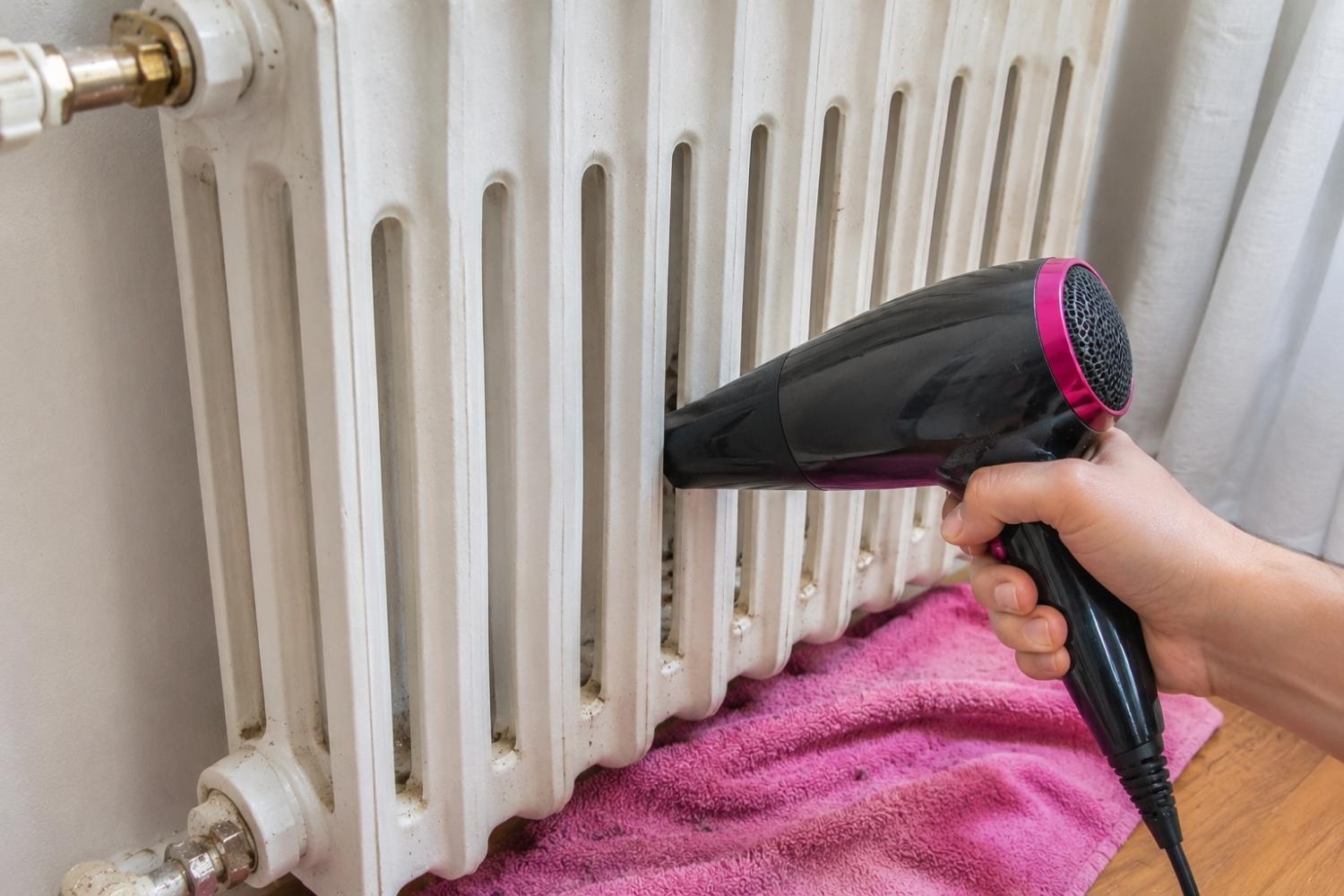
Yet there is a very simple (but little used) trick that allows you to reach the hidden dust using an object that we all have at home: the hairdryer. A few minutes and some care are enough to clean the radiators effortlessly.
Why you should clean radiators before turning them on
During spring and summer, even if they are turned off, radiators continue to collect dust. This is deposited on the external surfaces, but above all in the spaces between the elements and in the internal parts, where the normal cleaning cloth often does not reach. When we turn on the heating, the air near the radiator warms up and tends to rise, creating a natural movement that promotes air circulation in the room. This phenomenon, called convection, can help recirculate some of the accumulated dust. A situation to avoid, especially for those who suffer from allergies to dust mites or are particularly sensitive to irritants present in the domestic air. Cleaning the radiators before the first seasonal switch-on is therefore a good habit to limit the accumulation of dirt and keep the rooms cleaner.
The hairdryer trick to remove dust
The most interesting part of this method is that it does not require specific products or special tools. All you will need is a hairdryer, a slightly damp towel, a vacuum cleaner (or broom) and a microfibre cloth.
First, place a slightly damp towel on the floor, right under the turned off radiator: it will help retain some of the dust that will fall during cleaning. At this point take the hairdryer and set it exclusively to cold air, choosing a moderate speed. Direct the jet from top to bottom, through the radiator openings. The air will help move the dust deposited in the least accessible places, making it come out of the cracks and fall towards the floor.
Proceed slowly, moving along the entire surface of the radiator and being careful not to direct the jet towards furniture or other objects. Once finished, collect the dust that has fallen with the vacuum cleaner, also passing along the skirting board and under the radiator.
Warning: the hairdryer can also disperse some of the dust into the environment, so it is better to use a jet that is not too powerful. Those suffering from allergies or respiratory problems should prefer direct suction with a thin nozzle, possibly using a vacuum cleaner equipped with a HEPA filter.
Don’t forget about external cleaning
After removing the dust from the internal parts, it remains to clean the external surface. In this case, no aggressive detergents or expensive products are needed. A simple microfiber cloth lightly dampened with warm water is generally sufficient to remove dust and surface dirt. Pass it delicately along the elements of the radiator, paying particular attention to the edges and areas where dirt accumulates more easily. If you find any stubborn stains, you can use a small amount of neutral soap, making sure it is compatible with the radiator’s finish. Instead, avoid abrasive sponges and overly aggressive detergents, which could damage the protective paint.
Before turning the heating back on, make sure the surfaces are completely dry. Also remember not to pour water into openings or near electrical components, especially in the case of electric radiators.
