
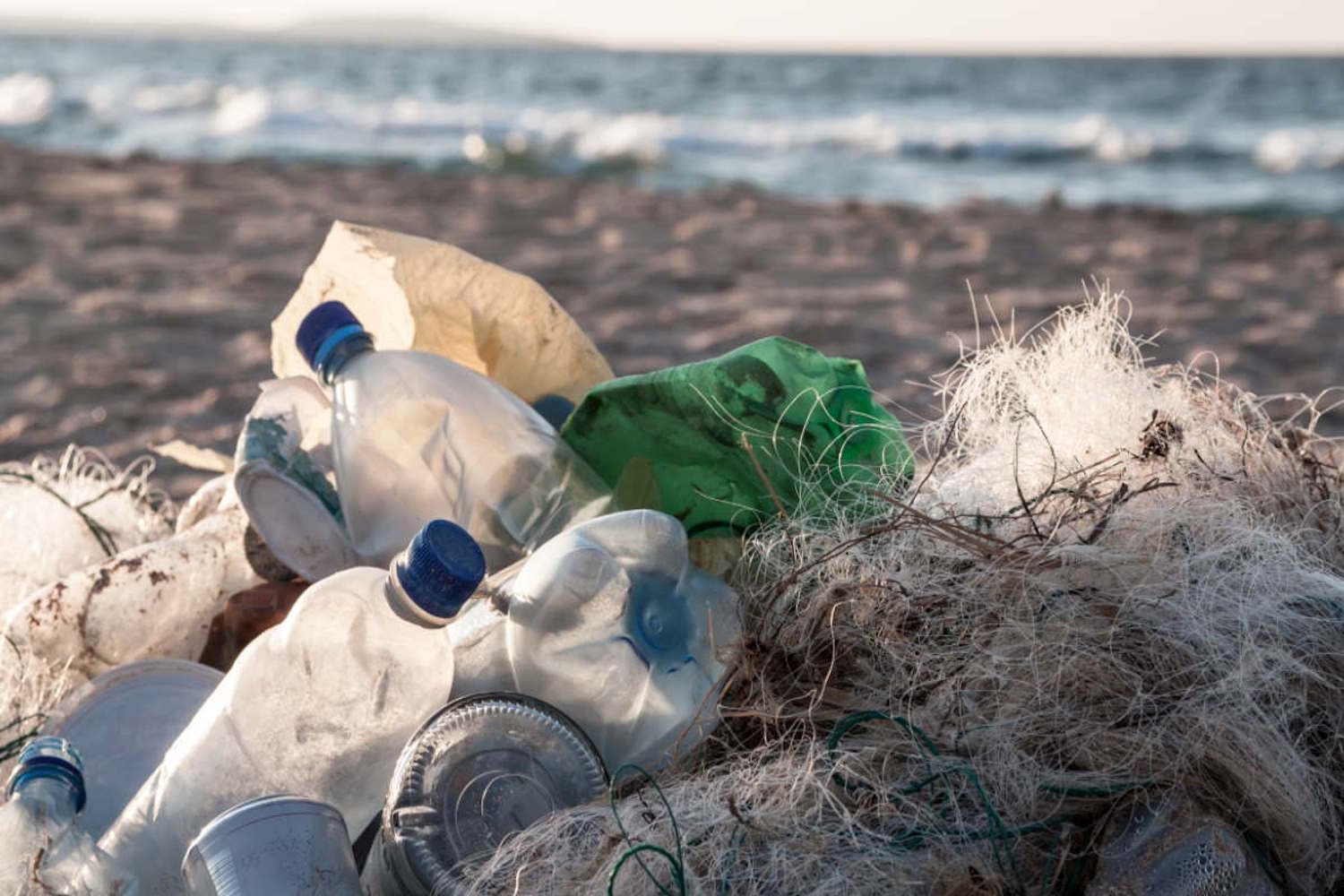
Plastic bottles, tyres, bags, pieces of iron. They end up in the nets of a fishing boat together with the fish, are pulled on board and at that point the fisherman must decide what to do with them. The answer should be very simple: take them ashore and deliver them to a collection center. Yet, in Italy, this too can turn into a problem.
Four years after the approval of the Salvamare law, fishermen who recover waste during fishing activities may still encounter obstacles that expose them to the risk of sanctions. And the reason is that several small ports lack the necessary structures to deliver it in compliance with the rules.
A paradox that turns the clock back to May 2022, when Parliament definitively approved a law hailed as a historic achievement in the fight against marine pollution. A rule that should have made fishermen protagonists in cleaning the Mediterranean, eliminating the bureaucratic obstacles that until then made it problematic to bring waste that ended up in the nets back to land.
Four years later, that promise has only been partially realized.
What did the Salvamare law provide?
Definitively approved on 11 May 2022 and entered into force on 25 June of the same year, law no. 60/2022 was born from a proposal by the then Minister of the Environment Sergio Costa. The objective was to correct a contradiction in previous waste management: fishermen who recovered plastic and other materials during normal fishing trips risked finding themselves responsible for their transport and disposal, with related costs and possible legal consequences.
The law introduced an important principle: accidentally caught waste must be able to be disposed of free of charge in the appropriate port collection facilities, without this activity requiring registration in the National Register of Environmental Managers.
The rule concerns not only the sea, but also lakes, rivers and lagoons. In ports outside the competence of the port system authorities, the Municipalities have to set up collection structures, even temporary, near the moorings. A solution which, at least on paper, should have put an end to the absurdity of having to choose between bringing waste back to land or leaving it in the water.
Why do fishermen still risk a fine today?
As reported by Ogyre, a company committed to the recovery of marine waste through the Fishing for Litterthe situation varies considerably from port to port. In major airports, where adequate structures are available, the disposal can take place regularly. In smaller marinas, however, there is often a lack of equipped collection points and an organized service for collecting materials. And the absence of an authorized disposal point can expose fishermen to legal risks, even when they have simply tried to prevent the waste from returning to the sea.
The risk arises above all after disembarkation: if a fisherman decides to independently transport the materials to another disposal site, outside of the established procedures, he could run into disputes relating to the transport of waste. If, however, he leaves them on the dock, in an unauthorized area, an unlawful abandonment could be contested.
It does not mean that anyone who brings plastic ashore will automatically be fined: the law expressly allows the recovery and disposal of waste accidentally caught. But when infrastructure and operational procedures are lacking, complying with those provisions can become complicated.
Furthermore, not all the planned measures remained on paper. In 2023, for example, a ministerial decree was adopted on reward measures aimed at commanders of fishing vessels who deliver accidentally caught waste.
Added to all this is another issue: cleaning the sea involves additional work for the crews. Separating the catch from the waste takes time, while materials such as tyres, drums and scrap metal can damage the nets and cause repair costs. A valuable activity for the environment which, in most cases, is not directly remunerated.
Four years later, the sea still waits
When the Salvamare law was approved in May 2022, the enthusiasm was great. Italy finally recognized the role of fishermen in the fight against plastic pollution, giving an answer to a problem that has been reported for years.
Today, however, that regulatory achievement clashes with a much more complicated reality. Meanwhile, one passage is clear: it is not enough to write in a law that fishermen can bring waste back to land if they are not guaranteed a place to deliver it. What is needed are collection points even in smaller ports, simple procedures, tracking systems and resources to support those who concretely contribute to cleaning up the sea.
