
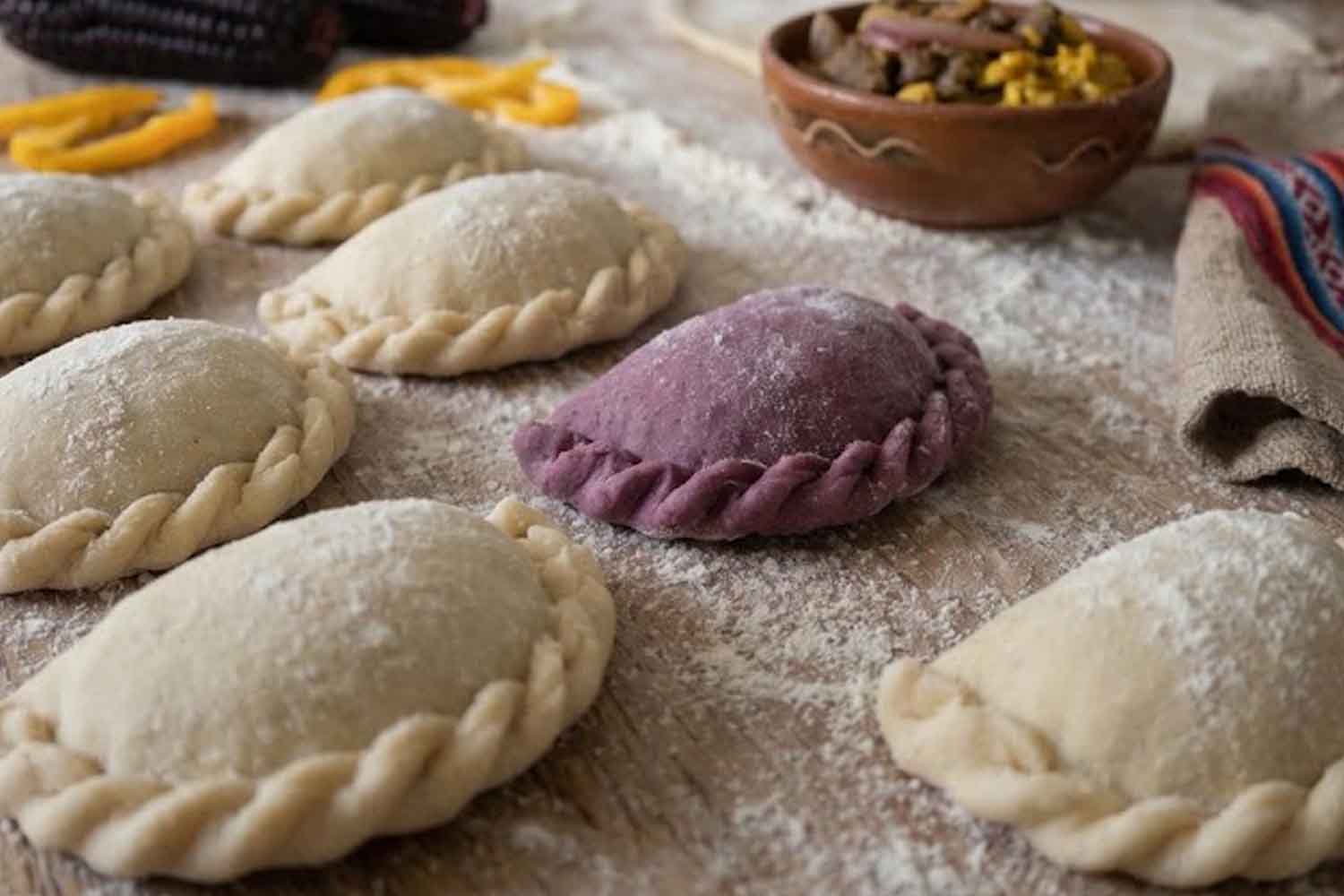
Purple corn becomes a puff pastry filled with cheese, chicken meets yellow pepper from the Andes and a Chinese-inspired sauce ends up inside an empanada. From 13 to 15 November 2026, Peruvian cuisine arrives at Eataly Roma Ostiense for the second weekend of Ravioli from the Worldthe festival dedicated to the different traditions of stuffed pasta.
For three days, between Chinese ravioli, Japanese gyoza and Argentine empanadas, there will also be space for some recipes that tell the story of a lesser-known Peru. That of the varieties of corn grown in the Andes, of the Creole traditions and of the encounter with Chinese culture, which has left an important mark on the gastronomy of the South American country.
The initiative involves the Embassy of Peru in Italy, with a space dedicated to national specialties. On Friday 13th November we begin with tastings, while on Saturday 14th there are meetings dedicated to the preparation of traditional dishes.
From China to Peru, passing through an empanada
Among the preparations announced is an empanada with pulled chicken and ají amarillo, the yellow chili pepper used in numerous Peruvian recipes. The filling recalls theají de henone of the best-known dishes of Creole cuisine, in which the chicken is accompanied by a creamy chili sauce.
Another empanada has a curious name: oriental chanchito. The preparation recalls Chifa cuisine, born from the meeting between Chinese and Peruvian gastronomic traditions. Its history begins in the 19th century, when thousands of Chinese workers arrived in Peru, bringing with them ingredients, eating habits and cooking techniques. Many also ended up working in catering, adapting their recipes to available products and local tastes.
In Lima, especially in the area of calle Capón, in the Chinese quarter, places called chifa began to spread. Here dishes took shape that became part of daily Peruvian cuisine, such asarroz chaufathe fried rice of Chinese origin, and the the salted lomoprepared with sautéed meat and vegetables.
This contamination has also found its way into cookbooks. In February 2026, the Peruvian Ministry of Culture declared nine historical recipe books as national cultural heritage, including a 1954 volume dedicated to chifa cuisine. From the kitchens of Chinese immigrants to the restaurants of Lima, up to an empanada served in Rome. The recipe has traveled a lot, even before arriving in Ostiense.
The purple corn that comes from the Andes
Then there is maíz morado, a variety of purple corn grown in different regions of Peru, including the Andes. The intense color of the cobs depends on anthocyanins, natural pigments also present in other plant foods. This corn has long been used in Peruvian cuisine, especially to prepare chicha moradaa drink obtained by boiling corn together with fruit and spices, and the mazamorra moradaa dessert with a pudding-like consistency.
They are two very popular preparations, also linked to the gastronomic tradition of Lima. The regional government of Cajamarca recalls how purple corn is grown in various areas of the country and is mainly used for the preparation of these specialties. In Rome, however, the purple corn will end up in a savory recipe: a vegetarian empanada filled with cheese.
The preliminary menu also includes Maracumangoa dessert prepared with mango and passion fruit. Ingredients different from those we are used to associating with stuffed pasta, even if the idea of enclosing a filling in a flour casing is common to many cuisines around the world.
From ceviche to empanadas: what’s happening this weekend in Rome
The Roman program also includes some meetings dedicated to traditional recipes. A show cooking with Javier Manrique, chef of the Embassy of Peru, dedicated to ceviche is scheduled for Saturday 14 November. The dish is prepared with raw fish marinated in citrus juice, seasoned with chilli pepper and accompanied by ingredients that change according to the regions. In Peru it is consumed in daily life, during holidays and celebrations linked to coastal communities.
In 2023, UNESCO recognized the practices and meanings associated with the preparation and consumption of ceviche as an intangible cultural heritage of humanity. The recognition also includes the work of artisanal fishermen, the knowledge passed down in families, the cultivation of local ingredients and the role of traditional cooks. Because behind an apparently simple preparation there are different territories, seasons and ways of processing the fish.
Also on Saturday, a meeting is scheduled with the chefs of Nina Killa, the gastronomic reality that will take care of the Peruvian proposals during this second weekend. The tastings will continue until Sunday 15 November.
The festival takes place on the second floor of Eataly Roma Ostiense, in Piazzale XII Ottobre 1492. Entrance is free, while tastings are paid through a token system. The official program shows the appointments and availability for the meetings. On Friday 13th November the festival will be open from 7pm to 11pm, Saturday 14th from 12pm to 4pm and from 7pm to 11pm, Sunday 15th from 12pm to 4pm and from 7pm to 10pm.
Among the preparations to be tasted there will therefore be recipes born in the Andes and others that took shape in the neighborhoods of Lima, after the arrival of communities from the other side of the Pacific. In Rome they will find themselves in the same space, next to ravioli and dumplings from other traditions. The ingredients and stories change, sometimes even the color of the pasta.
