
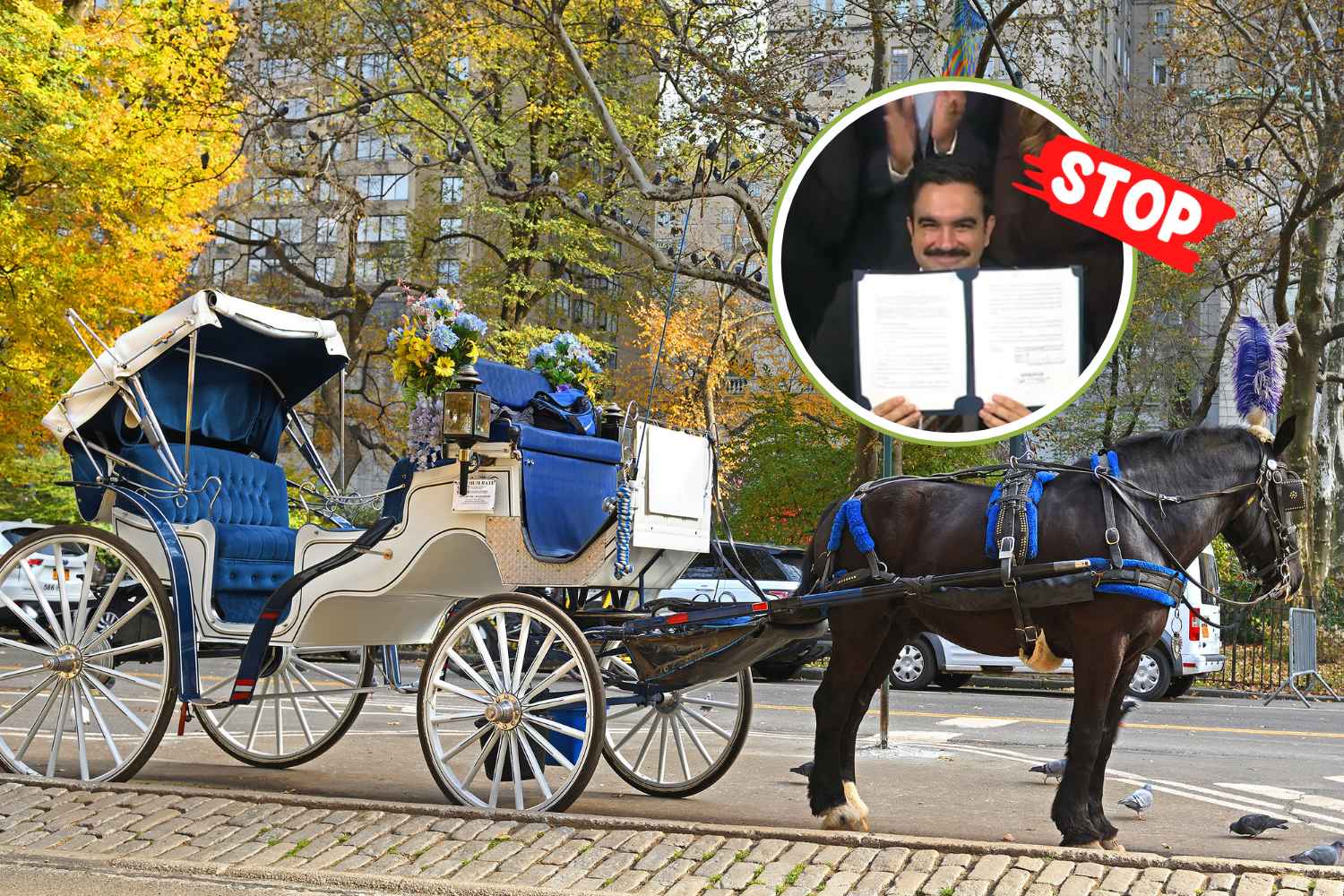
On Thursday, November 19, in the Blue Room of New York City Hall, Mayor Zohran Mamdani signed Intro 934, known as Romanch’s Law, finally putting an end to horse-drawn carriages in all 5 city boroughs starting June 1, 2028. Approved on October 22 by the City Council with 40 votes in favor and 7 against at the instigation of President Julie Menin and Councilor Chris Marte, the law closes a business present in Central Park from 1858-1863 and at the center of political battles since 2007, the year in which the ASPCA was founded precisely to protect these animals.
Mayor Mamdani Signs Intro 934, Romanch’s Law https://t.co/As0s6uvsdk
— Mayor Zohran Kwame Mamdani (@NYCMayor) November 19, 2026
Romanch Mahajan’s sacrifice and the presence of his parents in the town hall
The law bears the name of Romanch Mahajan, the 18-year-old Indian tourist who died last June in Central Park after a frightened horse ran away: the boy had thrown himself out of the carriage in an attempt to save his falling mother. Present at both the classroom vote and Thursday’s ceremony, the parents listened to the public thanks from Julie Menin, who, despite the accusations made in the classroom by some opposing councilors on the alleged exploitation of mourning, underlined the family’s commitment:
He did not die in vain. And we really want to thank you and your family for your compassion and courage in working with us on this measure.
The protection of horses by 2027 and the transition plan for 200 workers
With the operational cessation set for 31 May 2028, owners will have to certify by 1 June 2027 that no animals are sent for slaughter or transferred to other transport activities, relying on sanctuaries and shelters identified by the Office of Animal Welfare led by Allie Taylor, which has ensured the availability of loving and permanent homes for all horses.
On the employment front, a support program will be defined by April 2027 for around 200 workers including drivers, grooms and owners, including training, orientation, studies on electric carriages or pedal-assisted bicycles and the repurchase of the 68 active licenses, the value of which reaches up to 400,000 dollars each with many mortgages still open. Mamdani promised that the administration will not leave behind the workers who have built careers in this sector, to whom they have a responsibility.
The Transit Workers Union’s immediate appeal to the federal court
However, a few minutes after the signing, the Transit Workers Union (TWU) and some owners filed an appeal in federal court contesting the legitimacy of the ban and the fact that financial compensation was not written directly into the text of the law. TWU leader John Samuelsen attacked both the lack of immediate guarantees and the ban on moving businesses to other cities where carriages are legal, calling the rule a “unconstitutional abomination“.
NYC’s bill to abolish the entire horse-carriage industry, taking away the livelihoods of hundreds of blue-collar workers, is met with anger, disappointment, and a federal lawsuit to invalidate it as unconstitutional.
“I never imagined…that people who champion labor would take… pic.twitter.com/OGHcmMcowL— TWU (@transportworker) November 20, 2026
