
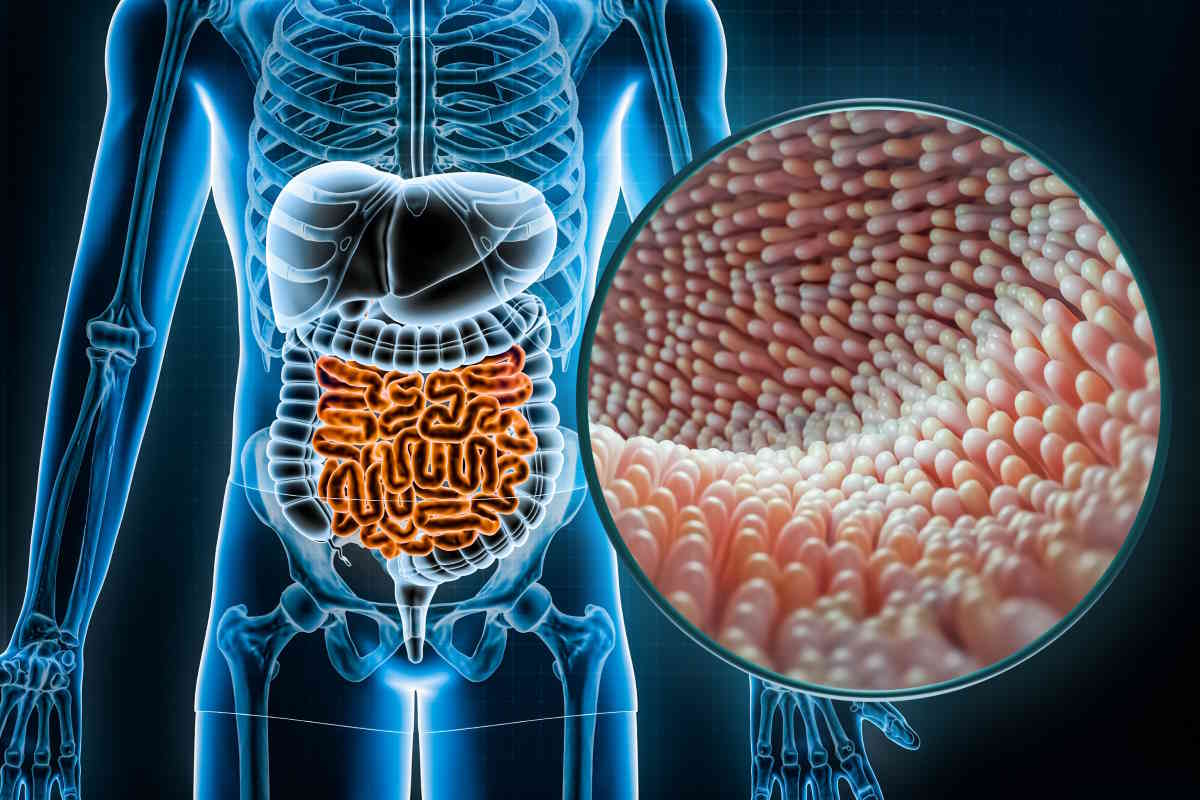
Vegan, vegetarian and omnivorous diets influence intestinal microorganisms, but excluding certain foods can have both favorable and unfavorable complex effects on overall well-being. The confirmation comes from an international study coordinated by the Cibio Department.
A varied diet rich in vegetables, it is known, is healthy for the well-being of the body. Excessive meat consumption – especially red meat – poses risks of chronic and cardiovascular diseases. This is because diet shapes the intestinal microbiome.
At the same time, excluding certain foods such as dairy products or animal derivatives is not necessarily a general solution for an internal microbial balance.
But can we identify which foods are at the basis of any differences in the intestinal microbiome? Starting from this question, a group of researchers has analyzed the biological samples of 21,561 participants (split into vegans, vegetarians and omnivores) living across the US, UK and Italy and found that dietary pattern has a strong influence on the gut microbiome and specific gut microbes that are associated with better health.
The study
The intestinal microbiome, i.e. the set of microorganisms that populate the intestinehas a crucial role in determining a person’s health, influencing many aspects, from digestion to the immune response. So far, few large-scale studies have examined how different diets impact the composition of intestinal bacteria.
The research, also supported by European funds, investigated in particular the differences and consequences of different diets each other on the microbiome. And it revealed how diet can shape the gut microbiome, not only by selecting microbes for digestion, but also by acquiring microbes directly from the foods themselves.
The first author of this work, Gloria Fackelmann, researcher at the Cibio Department, explains:
As more and more people adopt vegan and vegetarian diets, we wanted to know how different their microbiomes might be and which microorganisms are responsible for these differences.
The group that collaborated on this research, which also includes scholars from King’s College London, was coordinated by Nicola Segata, professor of Genetics and head of the computational metagenomics laboratory of the Cibio Department.
The results of the analyses, conducted in the Metagenomics laboratory of the Cibio Department, revealed that, on average, i Vegans had the healthiest diets, followed by vegetarians and omnivores. However, the most interesting data emerged from studying the diversity of the gut microbiome, or the measure of the variety of bacteria present in the gut.
Although diversity was lower in vegetarians and vegans than in omnivores, the scientists point out that diversity alone is not a reliable measure for determining the health of the microbiome, as it does not take into account the quality and functions of the bacteria present.
A crucial aspect of the study was to analyze the differences between gut microbiomes; we have thus seen how each dietary model leads to a unique microbial “signature”. Microbiomes in omnivorous subjects show a greater presence of bacteria associated with the digestion of meat, such asAlistipes putredinisinvolved in the fermentation of proteins. But they have more “negative” bacteria, such as Ruminococcus torques and the Bilophila wadsworthiaassociated with inflammatory bowel disease and an increased risk of colon cancer.
THE microbiomes of vegan ones differ in a greater number of bacteria involved in the fermentation of fibers, such as Bacteroides hey Firmicuteswhich help produce short-chain fatty acids, such as butyrate. These compounds have beneficial effects on intestinal health, reducing inflammation and maintaining a better homeostatic balance with our metabolism and immune system. Finally, among vegetarian people, the main difference compared to vegan ones is the presence of Streptococcus thermophilusa bacterium found primarily in dairy products and used in the production of yogurt.
Diet quality and microbiome health
The study highlighted how the quality of the diet – rather than the dietary pattern itself – influences the composition of the microbiome. People with healthier diets, whether vegan, vegetarian or omnivorous, showed more favorable microbiome composition. This suggests that, Regardless of diet type, including more plant foods and fewer animal-based foods, especially highly processed ones, can support optimal gut health.
Another innovative aspect of the research was the study of the transfer of bacteria from food to the microbiome. The scientists found that vegans had the fewest food-associated bacteria in their microbiome, with the exception of those from fruits and vegetables, which were more present. Vegetarians and omnivores, however, showed a greater abundance of bacteria linked to dairy products, especially fermented ones.
Nicola Segata underlined:
What we have observed is that the quantity and diversity of plant-based foods has a very positive impact on the microbiome. The single fact of avoiding meat or dairy products does not necessarily have a favorable effect if not accompanied by diversity and quality of food and plant-based products. From a microbiome point of view, what we can generally recommend is that it is important to eat lots of plant foods, especially ones rich in fibre. And that the diversity of food is important.
The research is part of a broader study project that tends to identify the benefits of a certain diet based on the specific microbiome of each person or each group of people, in particular for cardiometabolic health. The so-called precision nutrition.
You might be interested in:
