
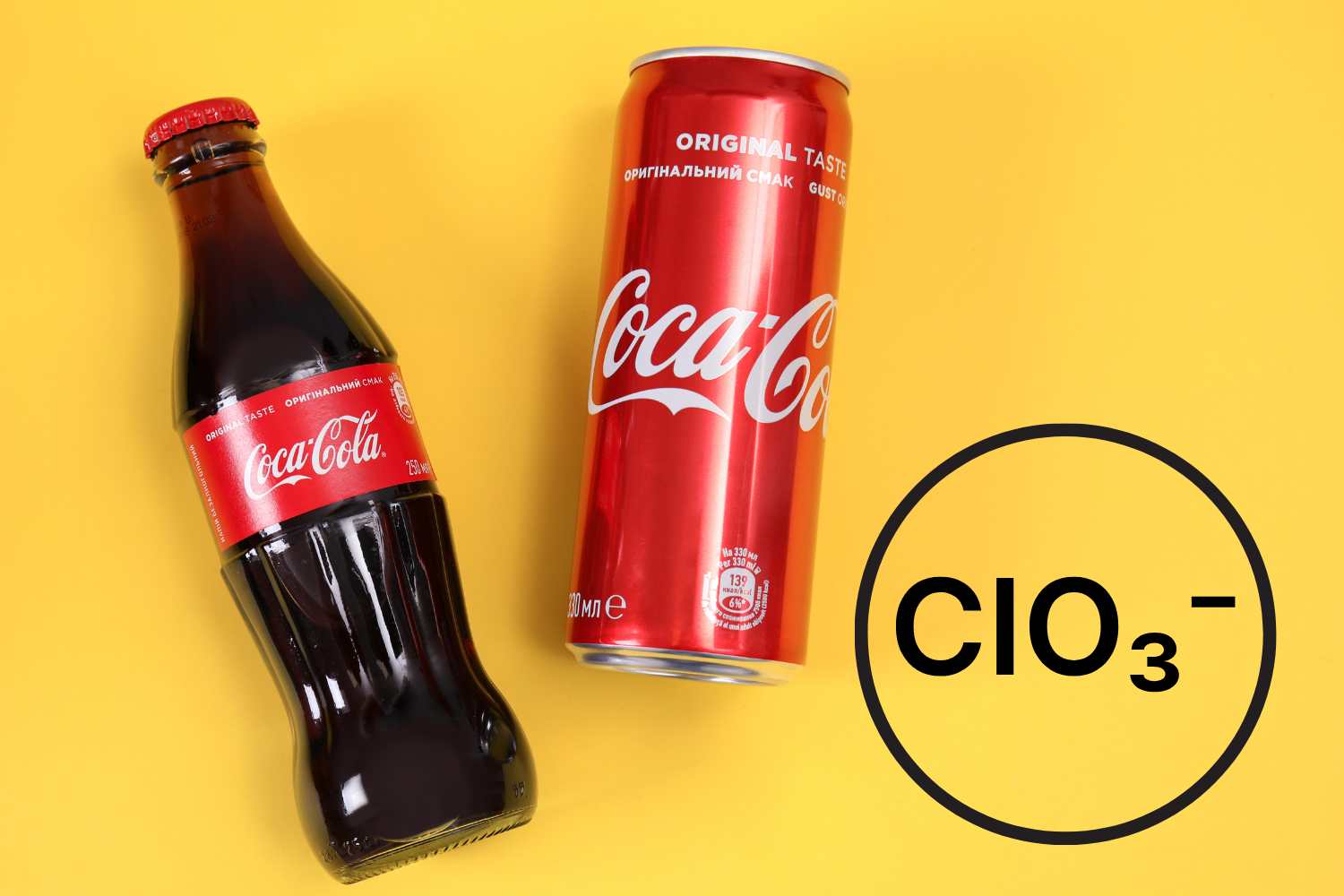
Coca-Cola has started a call of drinks in Europe due to the presence of chlorate in quantities higher than the limits allowed. But what exactly is it about? And what are the health risks?
Yesterday we told you about the Maxi call that affected some Coca-Cola brand drinks in Europe. An important operation, which led to the retreat from the market of millions of cans and glass bottles and involved several lots of products, including Coca-Cola, Sprite, Fanta, Fuze Tea, Minute Maid, Nalu, Royal Bliss and Tropico .
The withdrawal of the drinks was the withdrawal of Coca-Cola Europacific Partners that spread the alert in different European countries, including Belgium, Netherlands, Great Britain, Germany, France and Luxembourg (fortunately Italy is not involved) .
The reason for this call was the discovery, reported by a Coca Cola factory in Belgium, of presence of chlorate in quantities higher than the limited limits.
But what exactly is the chlorate and what effects can he have on health?
What is chlorate
Chloriums are derived from chloric acid. These compounds can be present in food mainly due to the use of chlorine -based disinfectantscommonly used in the water used during the production and transformation of food.
According to theEuropean Food Safety Authority (EFSA)the chlorate can derive from the chlorined water used in the processing of food and, in particular, in sanitizing industrial plants. This chemical is formed when chlorine, used to disinfect the water, reacts with other substances present, such as the organic or compound subjects present in the water itself.
In particular, the chlorate can significantly accumulate in the products that undergo an intensive treatment with chlorinated water, as in the case of cleaning fruit and vegetables that are the foods most subject to the presence of this substance, especially the frozen varieties, which often have the highest concentrations.
According to European regulations, Exposure to the chlorate must be maintained from certain safety limitssince the intake of high quantities can have negative health effects, in particular for the thyroid. For this reason, the presence of chlorate in food is carefully monitored by the health authorities, to ensure that it does not exceed the levels considered safe for human consumption.
The risks to health
A scientific opinion of EFSA has shown that exposure to the chlorate through food and drinking water can take place in two forms: chronic (long -term) and acute (in the short term).
In the case of chronic exposure, The prolonged intake of chlorate can interfere with the absorption of iodinean essential mineral for the correct functioning of the thyroid. This reduction in the absorption of iodine can have negative effects on health, especially in children who have a slight or moderate deficiency of iodine, which are more vulnerable to thyroid dysfunctions.
To protect the health of consumers, the EFSA has established a tolerable daily dose (DGT) of 3 micrograms of chlorate for kg of body weight per day, to prevent risks from chronic exposure. However, the analyzes indicated that children under 10 are the most at risk of overcoming this threshold, in particular those who already suffer from a deficiency of iodine. This underlines the importance of carefully monitoring the intake of chlorate in the youngest.
The acute exposure to high quantities of chlorate in a short period represents another health risk. Acute intoxication can reduce the blood ability to transport oxygenwith potentially serious effects such as kidney failure or cardiovascular disorders. For this reason, EFSA has established an acute reference dose of 36 micrograms of chlorate for kg of body weight per day.
